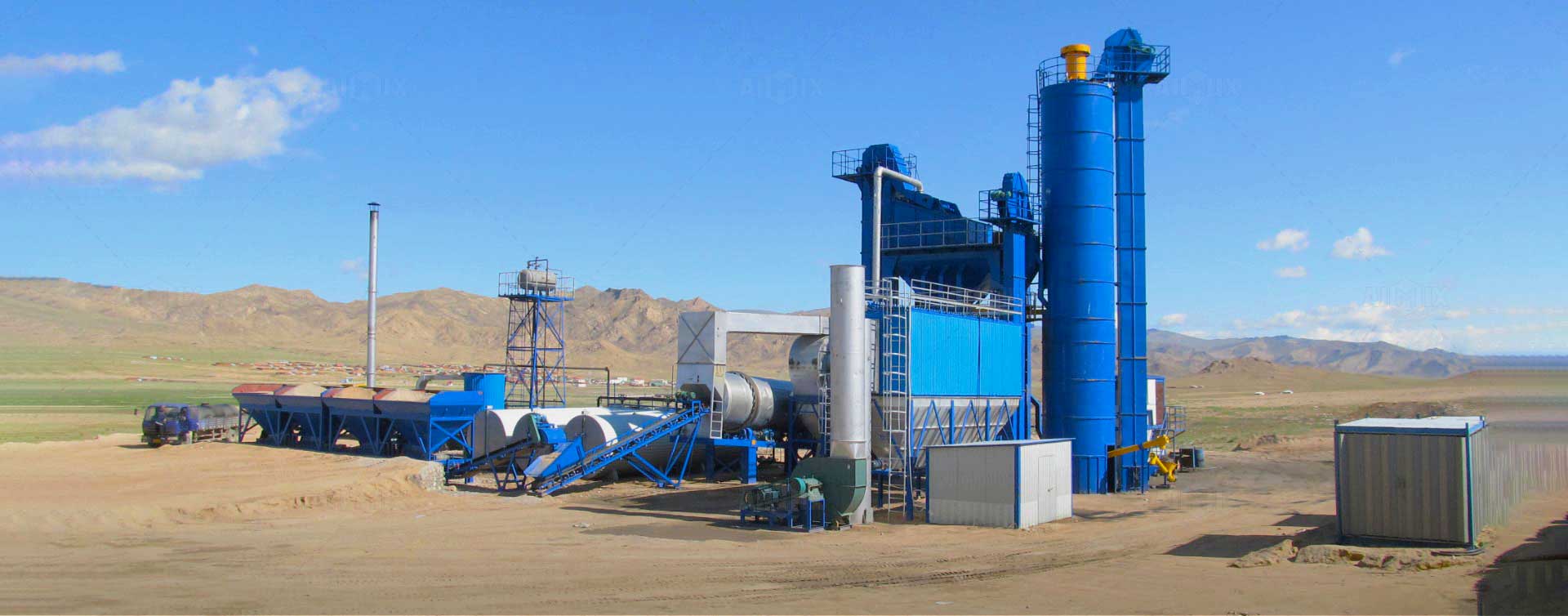
Constructing municipal roads requires careful planning, not only for design and materials but also for the asphalt production process. Selecting the right asphalt plant can significantly affect project efficiency, cost, and quality. In this article, we explore the key considerations for choosing the ideal asphalt plant for municipal road projects, focusing on practical solutions for contractors, government agencies, and project owners.
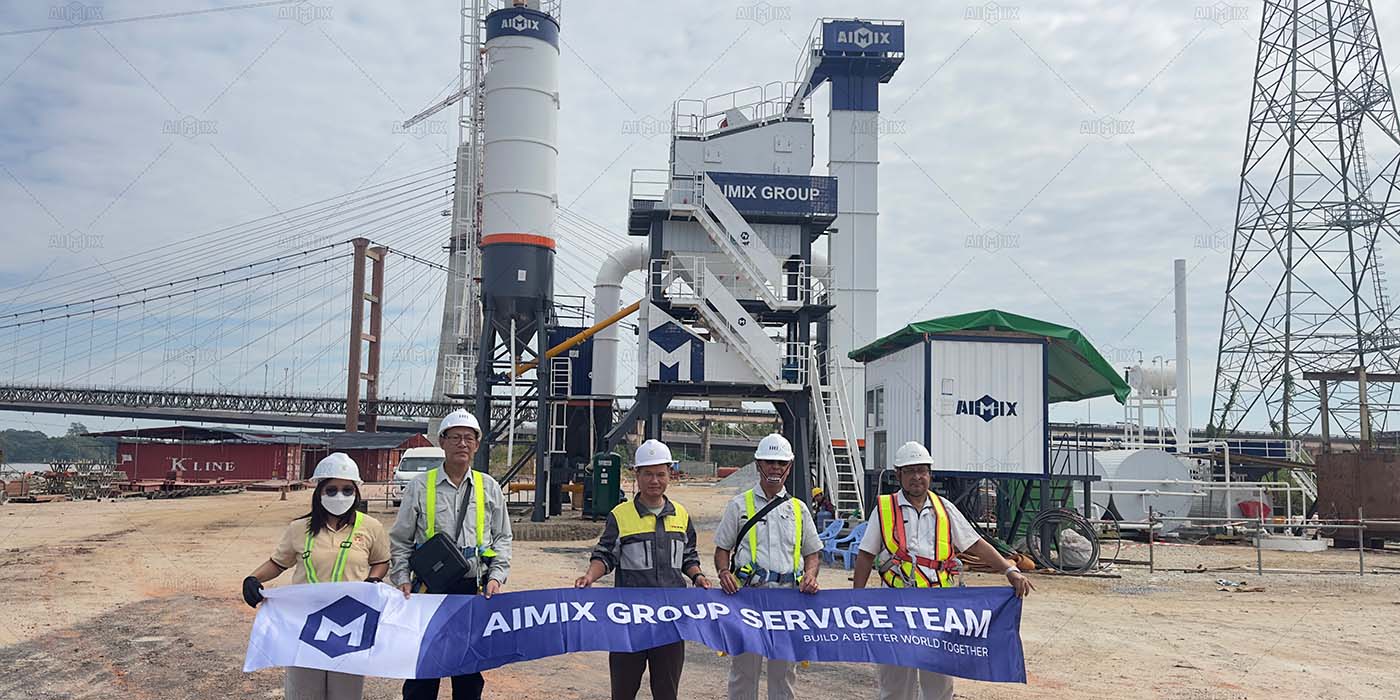
Understanding Municipal Road Requirements
Municipal roads differ from highways or industrial roads in several ways. They often involve shorter stretches, tighter budgets, and frequent intersections, which require flexible and high-quality asphalt production. Therefore, understanding the specific requirements of municipal roads is essential before selecting an asphalt production plant.
Project Scale and Production Volume
Municipal road projects usually cover small to medium-scale areas, often ranging from 2 to 10 kilometers in length. The required asphalt production volume is typically moderate, around 80 to 160 tons per hour (TPH). A plant that overproduces can increase operational costs and cause material wastage, whereas an underpowered plant may delay construction and increase labor expenses.
Asphalt Mix Quality
Municipal roads experience frequent traffic, including cars, trucks, and buses. The asphalt mix must be durable, resistant to rutting, and capable of withstanding local weather conditions, including heat, rain, and humidity. A plant that ensures consistent heating and proper mixing of aggregates and bitumen directly impacts the long-term performance of the pavement.
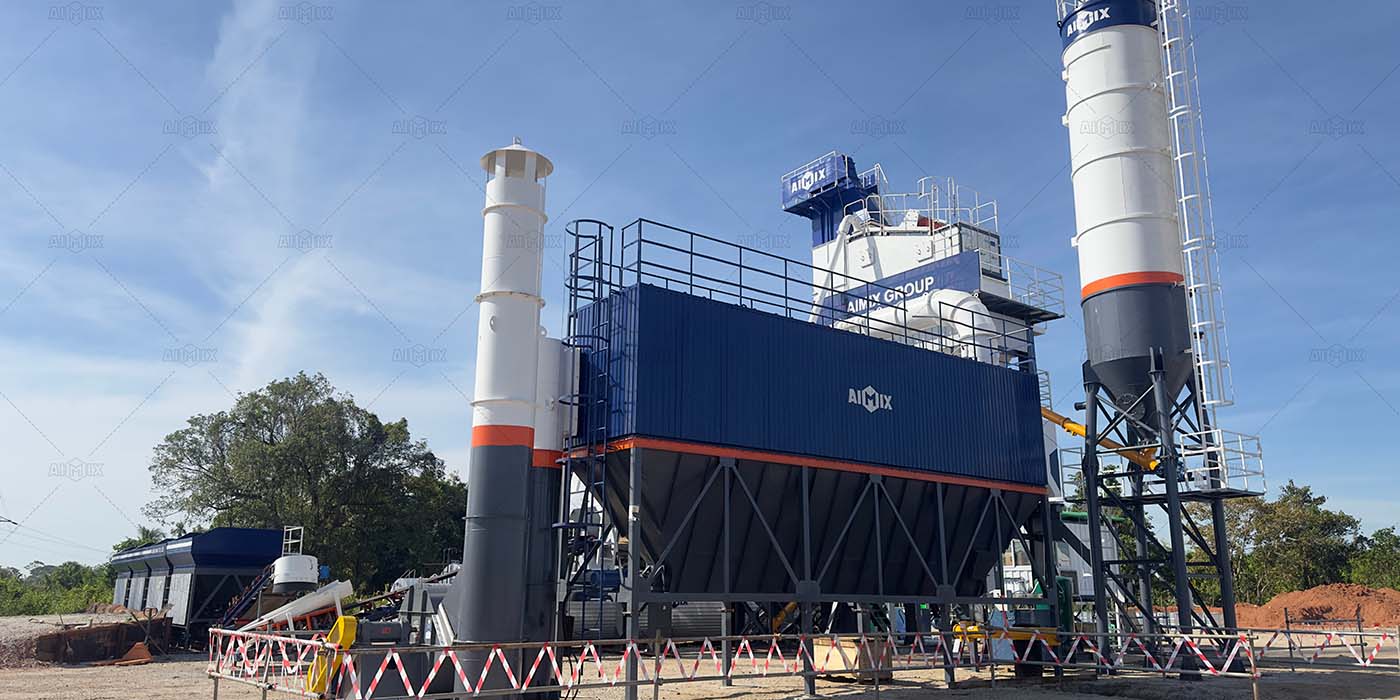
Types Of Asphalt Plants Suitable For Municipal Roads
Choosing the right type of asphalt plant is crucial. There are mainly two types to consider: batch asphalt plants and drum mix asphalt plants. Each has its advantages depending on the project size, quality requirements, and operational constraints.
Batch Asphalt Plants
Batch asphalt plants produce asphalt in separate batches, allowing precise control over the mix. They are ideal for municipal road projects where quality and uniformity matter most. Batch plants can handle various mix designs, including dense-graded, SMA (Stone Mastic Asphalt), and porous asphalt.
Additionally, batch plants allow for flexible adjustments in material ratios. For municipal projects where asphalt specifications may vary across different zones, this flexibility is invaluable. For example, intersections or pedestrian zones may require a different mix than main lanes.
Drum Mix Asphalt Plants
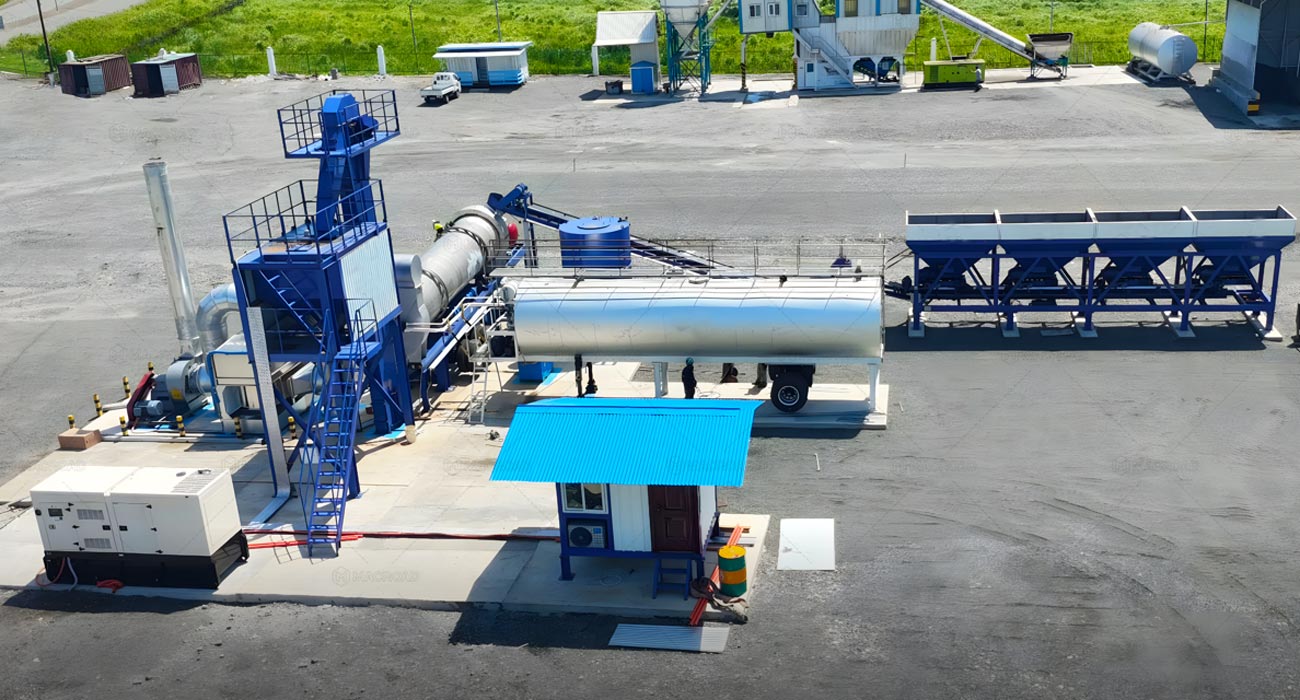
Drum mix plants operate continuously and are often more suitable for high-volume production. While they are efficient and generally less expensive to operate than batch plants, they provide less flexibility in adjusting mix composition. For smaller municipal projects, drum mix plants can still be useful if uniformity and speed are prioritized. A reliable drum asphalt mixing plant ensures smooth operation for these cases.
However, contractors should consider the trade-off between production efficiency and mix precision. In urban areas, maintaining a high-quality surface is more critical than achieving maximum production rates.
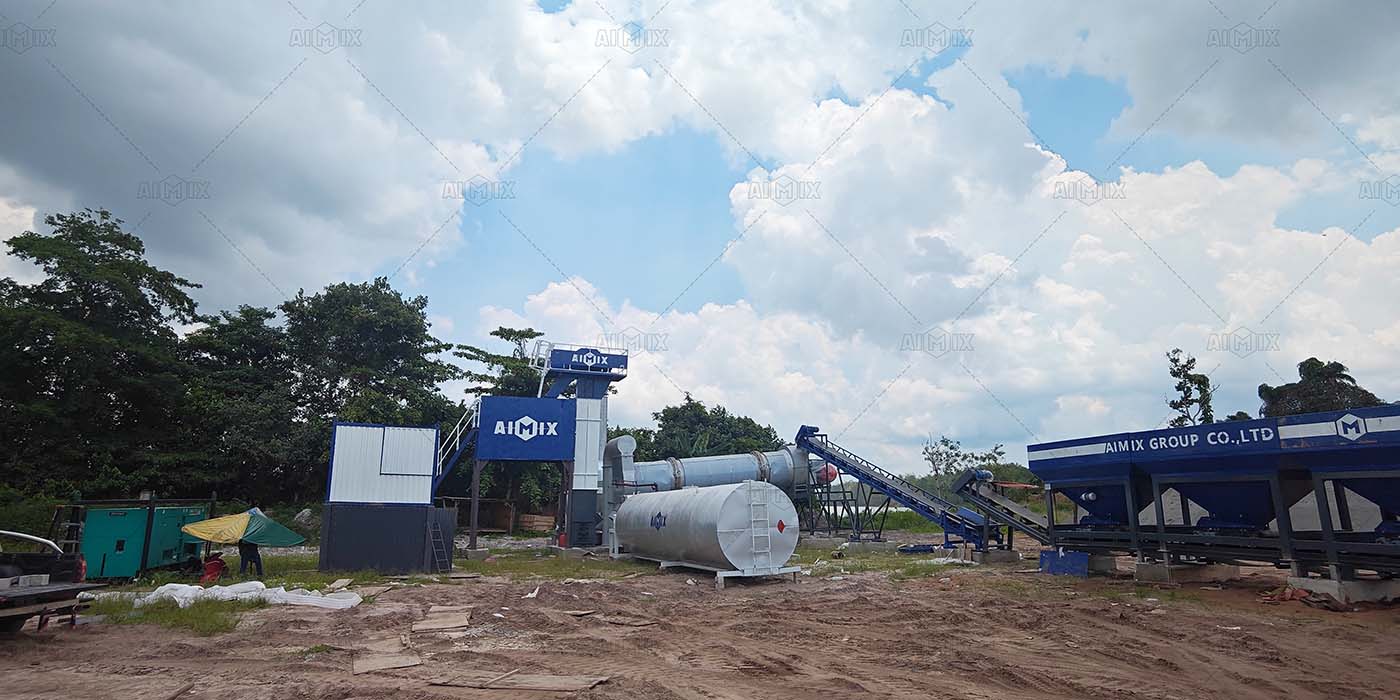
Key Factors When Selecting An Asphalt Plant
Several critical factors influence the selection of an asphalt plant for municipal roads. These factors address production capacity, environmental compliance, operational efficiency, and long-term cost-effectiveness.
Production Capacity
Production capacity should match project requirements without causing excess material storage or delays. For municipal road projects, a 60–160 TPH asphalt plant is usually sufficient. Selecting a plant with slightly higher capacity can provide a buffer for peak demand without overcommitting resources.
Fuel Type And Energy Efficiency
Asphalt plants can use fuel oil, natural gas, or electricity. Municipal road contractors often operate under tight budgets, making fuel efficiency critical. Choosing a plant with efficient burners and energy-saving features reduces operational costs and environmental impact, an increasingly important factor in urban construction projects.
Mobility And Installation Requirements
Many municipal road projects are located in tight urban areas. Mobile plants are preferable for projects with limited space. A mobile asphalt mixing plant for sale can be transported between sites and set up quickly, ensuring construction timelines remain on track.
Environmental Compliance
Municipal projects often face strict environmental regulations regarding dust, emissions, and noise. Plants equipped with advanced filtration systems, low-emission burners, and noise-reduction technology can help contractors comply with local standards while minimizing community disruption.
Operational Considerations For Contractors
Beyond the technical specifications, operational factors directly influence project success. Contractors need to assess maintenance, labor requirements, and automation features.
Automation And Control Systems
Modern asphalt plants feature automated control systems for batching, temperature control, and material feeding. Automation reduces human error, ensures consistent mix quality, and allows operators to monitor production in real-time. For municipal roads, this consistency translates to better pavement performance and fewer repair needs.
Maintenance And Reliability
Reliable equipment minimizes downtime, which is essential when projects have tight schedules. Contractors should select asphalt plants with accessible maintenance procedures and readily available spare parts. Choosing a trusted asphalt mix plant supplier ensures long-term reliability and technical support. Reliable plants reduce unexpected costs and prevent project delays.
Case Examples And Practical Applications
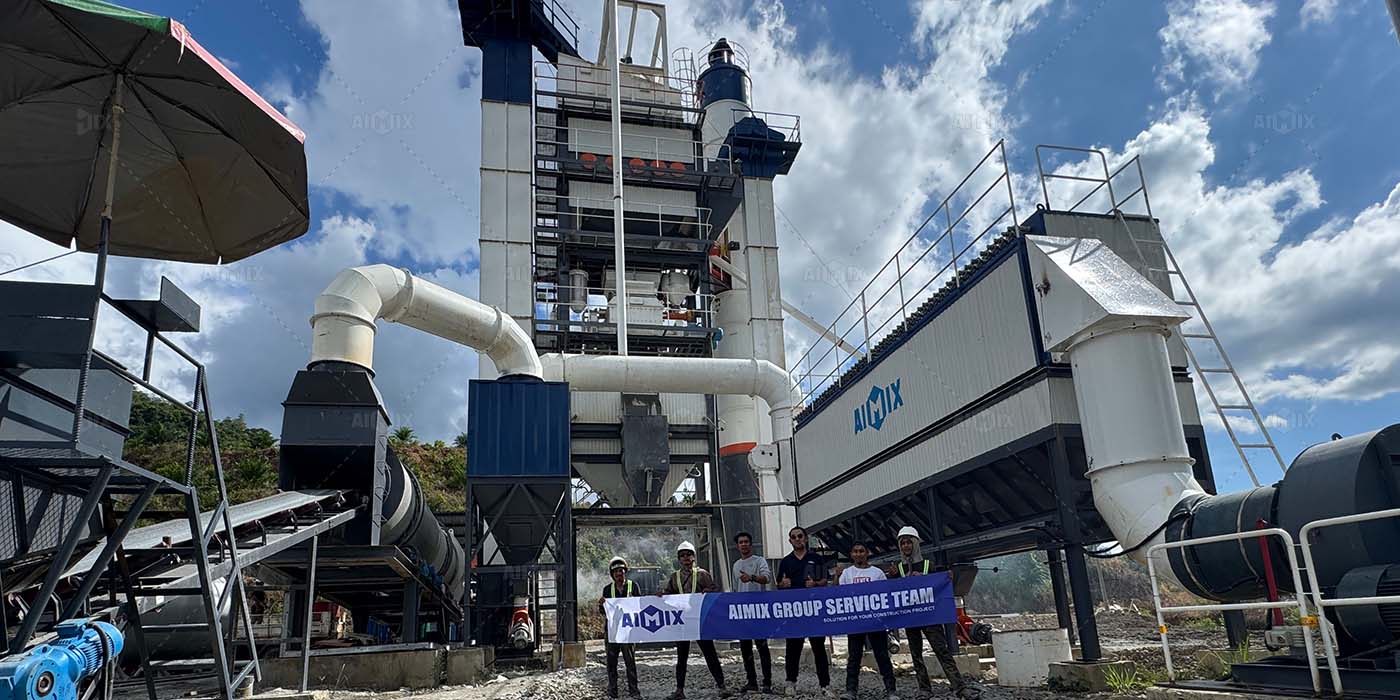
Many municipal road projects around the world demonstrate the benefits of using appropriately sized asphalt plants. For instance, a city road project covering 5 kilometers required 100 TPH batch plants. By using a batch plant, contractors achieved uniform asphalt quality and completed the project within the planned schedule, avoiding costly delays caused by inconsistent mixes.
In another example, a suburban municipal project used a mobile drum mix plant with 120 TPH capacity. The plant’s mobility allowed it to serve multiple sites efficiently, reducing transportation costs and minimizing disruption to traffic.
Cost Considerations And Return On Investment
While selecting an asphalt plant, contractors and municipal authorities must weigh initial investment against long-term savings. Batch plants may have higher upfront costs but offer better quality control, which reduces maintenance and repair expenses over time. Mobile drum plants, although slightly cheaper initially, may require additional labor or adjustments to maintain consistent quality.
Therefore, evaluating the total cost of ownership, including fuel, maintenance, labor, and environmental compliance, is critical to making a financially sound decision.
Conclusion: Choosing The Ideal Asphalt Plant
The ideal asphalt plant for municipal roads combines production efficiency, quality control, mobility, and environmental compliance. For small to medium municipal projects, batch asphalt plants generally offer the best balance of precision and flexibility. For projects requiring higher production volumes or multiple sites, mobile drum mix plants may provide cost-effective solutions without compromising timelines.
By understanding project requirements, evaluating plant types, and considering operational and environmental factors, contractors and municipal agencies can make informed decisions that improve pavement quality, reduce costs, and ensure timely project completion.
Take Action And Ensure Your Municipal Project Succeeds
If you are planning municipal road construction, selecting the right asphalt plant is crucial. Assess your project scale, quality needs, and operational constraints, then choose a plant that aligns with your goals. Whether you require batch precision or mobile efficiency, making the right choice will save time, money, and effort while delivering durable and high-quality roads for your community.
Contact experienced asphalt plant suppliers to get tailored recommendations for your municipal road project. Proper planning and the right equipment are the first steps toward a successful construction outcome.