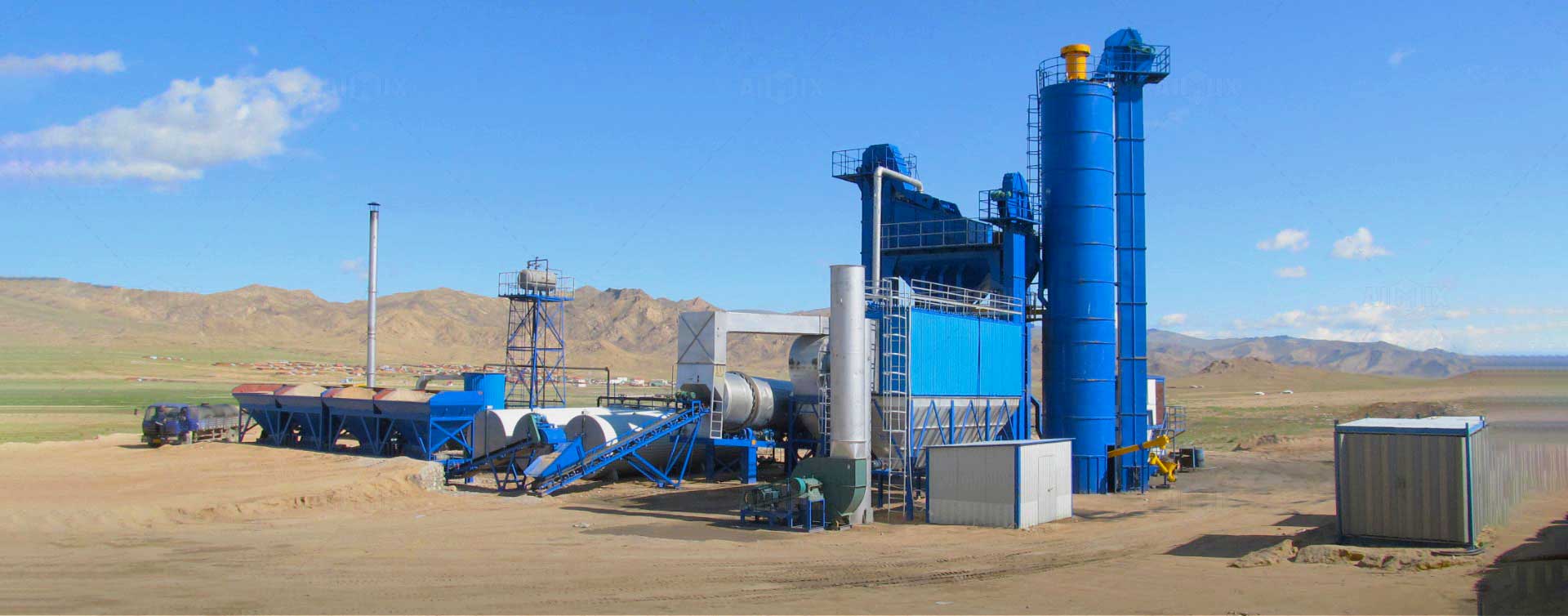
Starting an asphalt production business requires more than purchasing an asphalt mixing plant and finding a suitable industrial site. The real challenge is determining whether the local market can support continuous production, generate sufficient sales, and deliver a reasonable return on investment. A plant may have the technical capacity to produce hundreds of tons of asphalt mixture per hour, but that capacity has little commercial value if local contractors cannot provide enough orders.
For new investors, road construction contractors, infrastructure companies, and existing aggregate producers, understanding market conditions is therefore the first step toward making a sound investment. Asphalt demand, project pipelines, competitor capacity, raw material availability, transportation distances, operating costs, and equipment selection all influence business viability. These factors also interact with one another. For example, a region may have strong road construction demand but poor profitability because aggregate transportation costs are too high.
This article examines the major market factors that determine whether a new asphalt production business can succeed. More importantly, it explains how investors can evaluate these conditions before committing capital to an asphalt manufacturing operation.
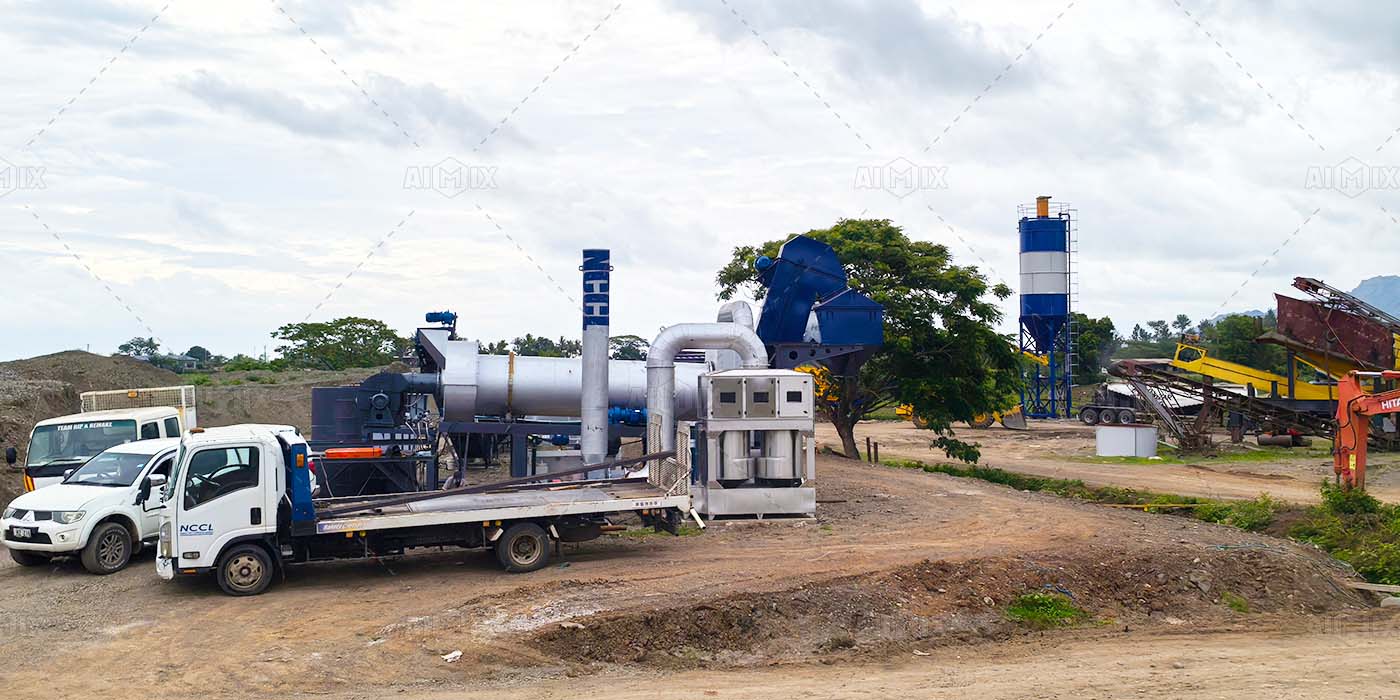
1. Local Asphalt Demand and Road Construction Activity
The first question for any potential asphalt producer is simple: How much asphalt mixture can the local market actually consume? General infrastructure development figures do not always reflect the real demand available to an individual supplier. Investors need to examine specific road projects, contractor purchasing plans, maintenance schedules, and annual paving volumes.
Evaluate Both New Construction and Road Maintenance
New highways, expressways, airport runways, industrial roads, and urban development projects can generate substantial asphalt demand. However, investors should not focus exclusively on large infrastructure projects. Road resurfacing, pothole repairs, municipal road rehabilitation, and periodic pavement maintenance can also create recurring orders.
These two demand sources often have different purchasing patterns. Large highway projects may require high production volumes within relatively short periods. Meanwhile, municipal maintenance contracts may generate smaller but more frequent orders throughout the year. Therefore, a balanced customer portfolio can reduce dependence on a single construction project.
Calculate Realistic Annual Production Demand
Investors should estimate annual asphalt consumption rather than relying only on the advertised capacity of local construction projects. A practical assessment should include:
- Annual road construction and rehabilitation budgets in the target region.
- Expected asphalt mixture consumption from identified projects.
- The number of active paving contractors and their purchasing requirements.
- Seasonal construction periods and the number of productive working days.
- Potential demand from private industrial parks, commercial developments, and mining access roads.
- The proportion of project demand that independent suppliers can realistically secure.
For example, a region may announce several highway projects, but some contractors may already operate their own asphalt plants. Consequently, the total project demand does not equal the addressable market for a new independent producer. The most useful figure is the volume of asphalt mixture that potential customers are willing and able to purchase from the new business.
2. Market Competition and Existing Asphalt Plant Capacity
After identifying potential demand, investors need to understand who already supplies the market. Strong demand does not automatically create a profitable opportunity. If existing producers have sufficient capacity, established customer relationships, and competitive delivery costs, a new entrant may struggle to secure orders.
Identify Direct and Indirect Competitors
Direct competitors include independent asphalt producers and construction companies that sell asphalt mixtures to external customers. Indirect competitors may include road contractors with their own production facilities or companies that operate mobile asphalt mixing plants for specific projects.
When evaluating competitors, consider the following factors:
- Number and location of existing asphalt mixing plants.
- Actual operating capacity rather than only the rated production capacity.
- Typical selling prices for different asphalt mixture specifications.
- Customer relationships and existing supply agreements.
- Delivery coverage and transportation capabilities.
- Equipment condition, production reliability, and environmental compliance.
- Whether competitors experience production shortages during peak construction periods.
Look for Supply Gaps Instead of Entering a Price War
A new asphalt producer does not necessarily need to offer the lowest selling price. Instead, the business should identify gaps that existing suppliers cannot efficiently serve.
For example, a competitor may operate a large stationary plant near a major city but struggle to supply projects in distant industrial areas. Another producer may focus on highway projects and have limited availability for smaller municipal contracts. These situations can create opportunities for a new business with a suitable production location, flexible capacity, and reliable delivery arrangements.
However, investors should distinguish between temporary supply shortages and long-term market opportunities. A shortage caused by one delayed project does not necessarily justify a permanent production investment.
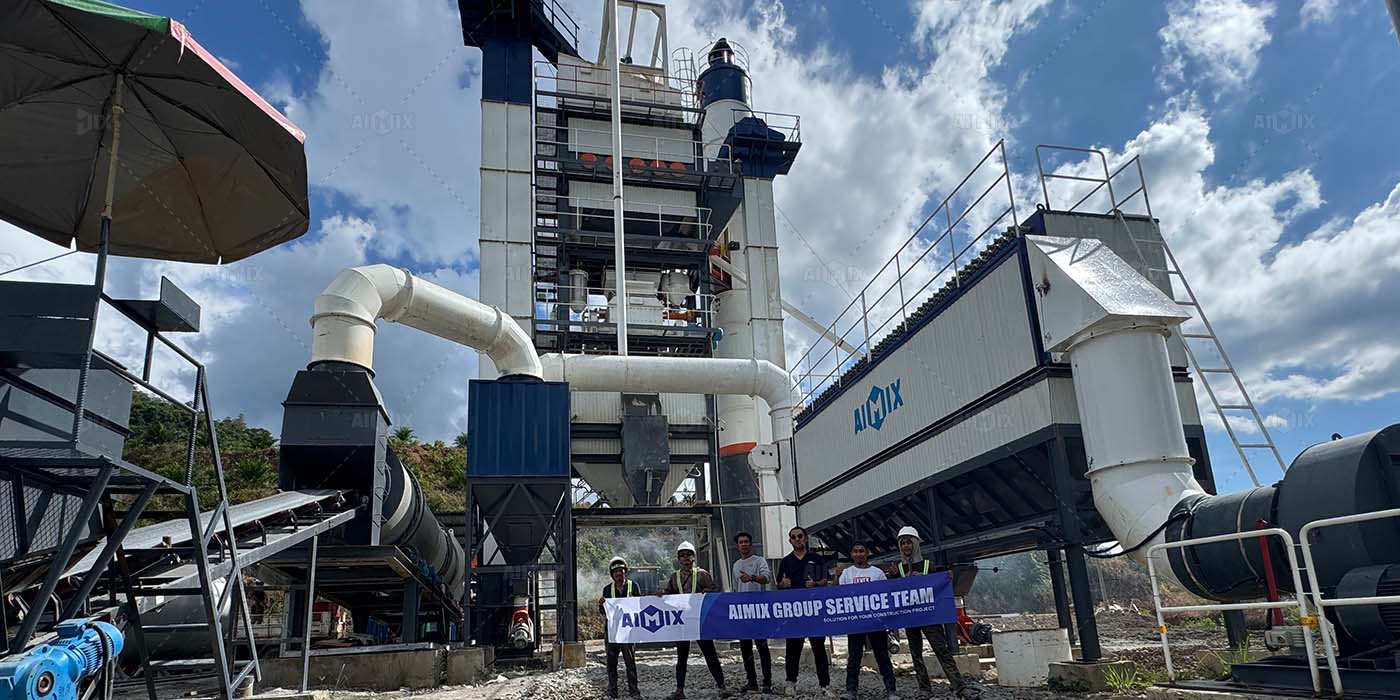
3. Customer Types and Revenue Stability
Market demand becomes more meaningful when investors understand who will purchase the asphalt mixture. Different customer groups have different order volumes, payment terms, quality requirements, and purchasing cycles. These differences directly affect cash flow and operational planning.
Understand the Main Customer Segments
- Highway construction contractors: They may require large and continuous asphalt volumes, especially during intensive paving periods. However, winning these contracts often involves strict technical qualifications and competitive bidding.
- Municipal road contractors: They usually handle urban road construction, resurfacing, and maintenance. Their orders may be smaller, but multiple contracts can create recurring demand.
- Airport and industrial infrastructure contractors: These customers may require specific asphalt mixture designs, consistent quality, and strict delivery schedules.
- Mining and plantation road contractors: They may need asphalt supply for industrial access roads, internal transportation routes, and heavy-duty pavement projects.
- Independent paving companies: They may purchase asphalt from external suppliers rather than invest in their own production facilities.
Assess Purchasing Frequency and Payment Conditions
Production volume alone cannot determine business profitability. Payment arrangements are equally important. Some construction projects release payments according to completed work or certified quantities. Others involve longer approval and settlement periods.
As a result, an asphalt producer may deliver substantial volumes while still experiencing cash flow pressure. Before investing, evaluate expected monthly orders, customer concentration, credit periods, advance payment requirements, and the possibility of delayed project settlements. Securing several independent customers can also reduce the financial risk of losing one major contract.
4. Raw Material Availability and Transportation Costs
Asphalt production depends on a stable supply of aggregates, mineral filler, bitumen, and fuel. Even when local demand is strong, a business may struggle if these materials are expensive, difficult to obtain, or inconsistent in quality.
Check Aggregate Sources Near the Production Site
Aggregates form a major part of asphalt mixtures. Their grading, strength, cleanliness, and consistency influence the final pavement quality. Therefore, investors should identify suitable quarries and verify whether they can supply the required materials throughout the production season.
Important considerations include:
- Distance between the asphalt plant and nearby quarries.
- Aggregate prices and delivery charges per ton.
- Availability of different aggregate sizes.
- Material quality and consistency between deliveries.
- Quarry production capacity during peak construction periods.
- Local permits and transportation restrictions.
A quarry located several kilometers away may provide a significant cost advantage over a supplier located much farther from the production site. However, the lowest aggregate purchase price does not always mean the lowest delivered cost. Fuel consumption, road conditions, truck availability, and loading delays must also be considered.
Evaluate Bitumen Supply and Price Fluctuations
Bitumen is another critical input. Its price, availability, grade, and transportation arrangements can significantly affect production costs. Investors should identify reliable suppliers and determine whether bitumen can be purchased locally or must be imported.
For import-dependent markets, additional factors include shipping costs, port handling charges, customs procedures, storage requirements, and delivery schedules. It is also important to consider price fluctuations. If bitumen prices increase while asphalt selling prices remain fixed under existing contracts, the producer’s profit margin may shrink.
Therefore, a realistic business plan should include several raw material price scenarios rather than assuming that current prices will remain unchanged.
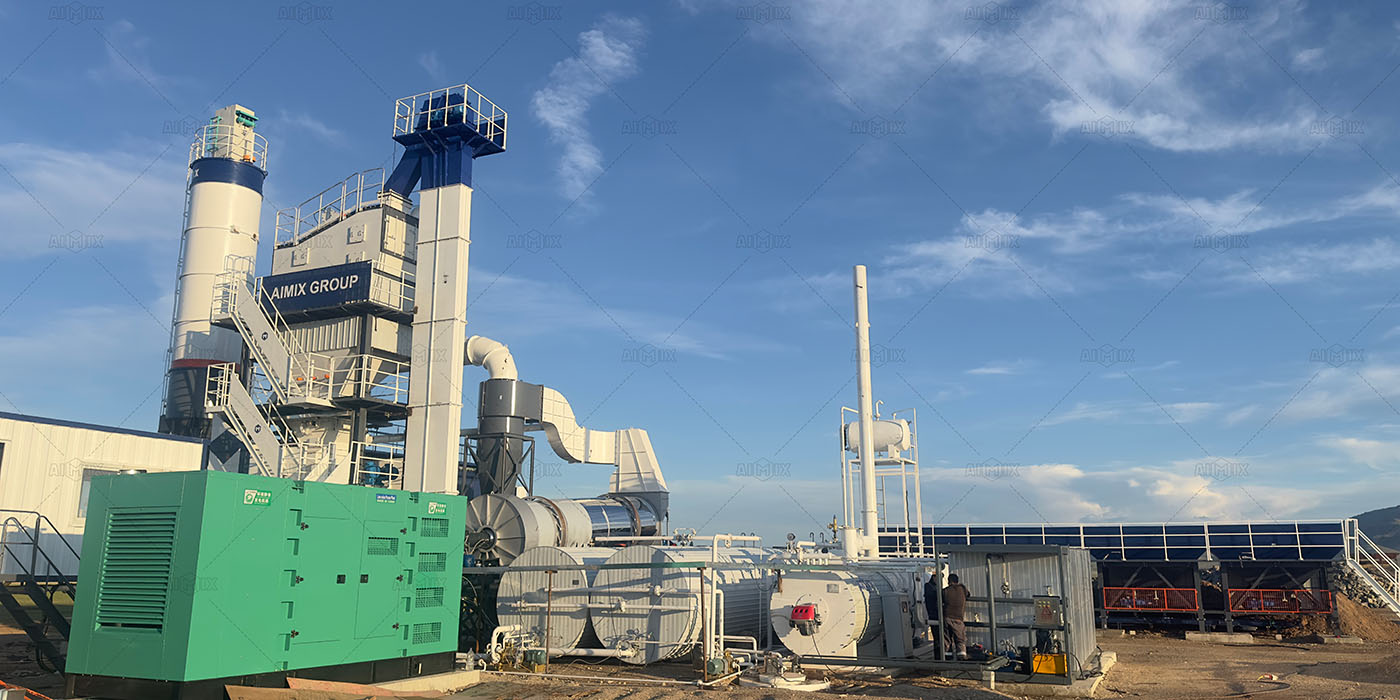
5. Location Selection and Asphalt Delivery Radius
An asphalt plant should be located where it can serve customers efficiently. Unlike some construction materials, hot mix asphalt has practical transportation and temperature constraints. Long delivery distances can increase costs, complicate scheduling, and affect paving operations.
Balance Customer Proximity and Raw Material Access
The ideal site is not necessarily the cheapest industrial plot. It should provide a reasonable balance between access to construction projects, aggregate suppliers, bitumen deliveries, labor, utilities, and major transportation routes.
For example, a site near a quarry may reduce aggregate transportation costs but increase the distance to major road projects. Conversely, a site near a city may improve customer access while increasing land and operating expenses. Investors should compare several potential locations using the total delivered cost of asphalt rather than evaluating land prices alone.
Consider Road Access and Delivery Conditions
Truck access is particularly important for continuous asphalt production. Narrow roads, weight restrictions, traffic congestion, and seasonal road closures can reduce delivery efficiency.
In regions with mountainous terrain, islands, or remote construction sites, logistics planning becomes even more important. The business may need additional trucks, temporary storage arrangements, or a mobile production solution to serve distant projects effectively.
Ultimately, the plant’s commercial service area should reflect realistic transportation conditions, not simply a fixed distance drawn on a map.
6. Asphalt Plant Capacity and Equipment Investment
Once investors understand market demand, competition, and logistics, they can evaluate the appropriate production capacity. Equipment selection should follow the business opportunity rather than determine it.
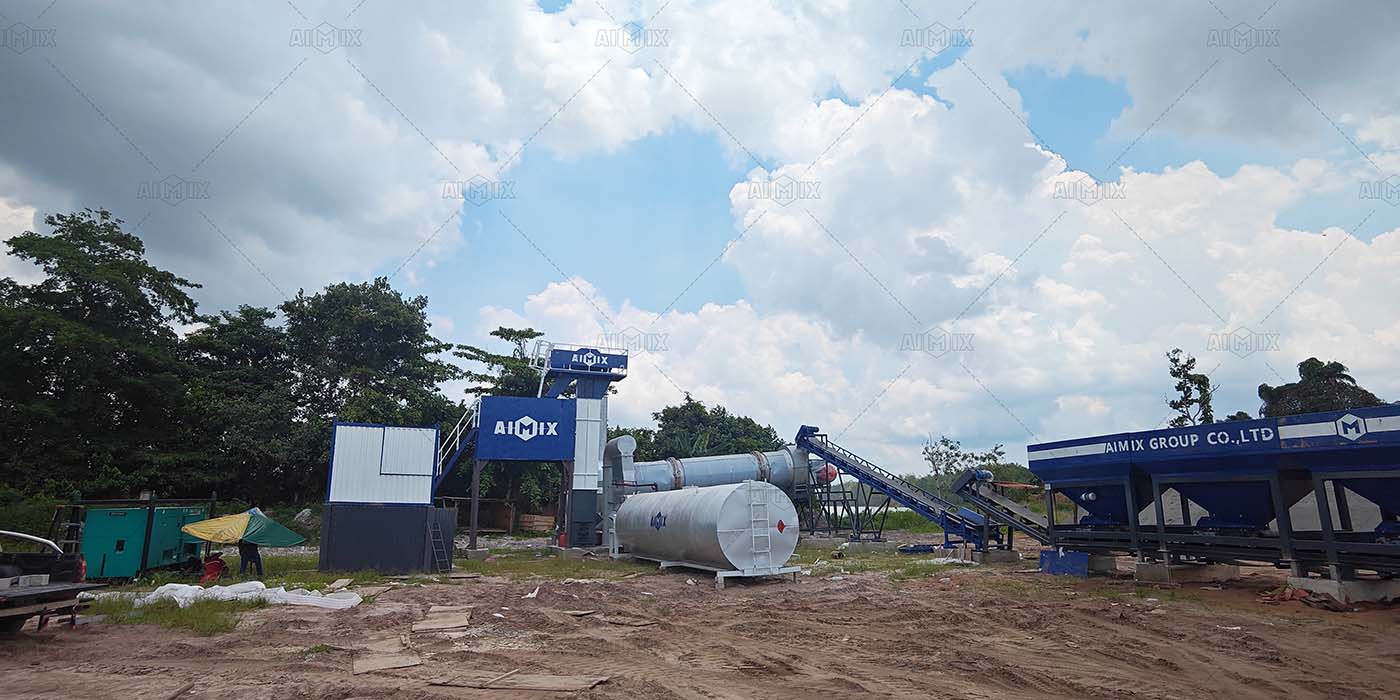
Installing a large asphalt mixing plant does not guarantee higher profits. If customer orders are insufficient, excessive capacity increases capital requirements, maintenance expenses, and idle time. Investors should compare equipment configurations and production capabilities before making a purchase decision. An asphalt mixer plant should match the expected sales volume, mixture requirements, and operating schedule of the business.
Match Production Capacity With Expected Sales
Asphalt mixing plants are available in different production capacities. Typical planning options include:
- 40–60 TPH: Suitable for smaller regional markets, municipal road projects, and businesses with moderate production requirements.
- 80–100 TPH: A practical range for producers serving several medium-sized projects or developing a regional customer base.
- 120–160 TPH: More suitable for businesses targeting substantial highway, industrial, and infrastructure contracts.
- 200 TPH and above: Generally considered for large-scale production operations with strong demand, established customers, and sufficient material supply.
These ranges are preliminary reference points, not universal capacity recommendations. The right choice depends on the expected annual sales volume, production schedule, mixture specifications, and actual plant operating conditions.
Understand Actual Production Instead of Rated Capacity
A plant’s rated capacity is usually expressed in tons per hour under specified operating conditions. Actual output may be lower because of aggregate moisture, material feeding, mixture requirements, heating efficiency, maintenance, and production interruptions.
For business planning, investors should distinguish between:
- Rated capacity: The manufacturer’s stated production capability under specified conditions.
- Effective hourly output: The production rate achieved during actual operating conditions.
- Daily production: The volume produced during scheduled working hours, including realistic operating interruptions.
- Annual production: The total output after considering seasonal restrictions, maintenance, project schedules, and market demand.
This distinction helps investors avoid calculating revenue from theoretical maximum production figures.
Compare Different Plant Configurations
A stationary asphalt batch mix plant can be suitable for businesses that need flexible mixture specifications and consistent production for multiple customers. Its screening and weighing systems allow operators to control aggregate proportions for different asphalt mixtures.
A stationary asphalt drum mix plant offers continuous production and may suit operations with relatively stable mixture requirements and consistent demand. Its production process integrates aggregate drying and mixing into a continuous system. For investors who prioritize continuous output and a relatively straightforward production process, a continuous type drum mix plant may be worth evaluating.
Meanwhile, mobile and portable asphalt plants may offer advantages when construction projects are geographically dispersed or production facilities need to move between locations. The final decision should consider not only the initial purchase price but also installation, transportation, energy consumption, environmental systems, spare parts, maintenance, and future expansion.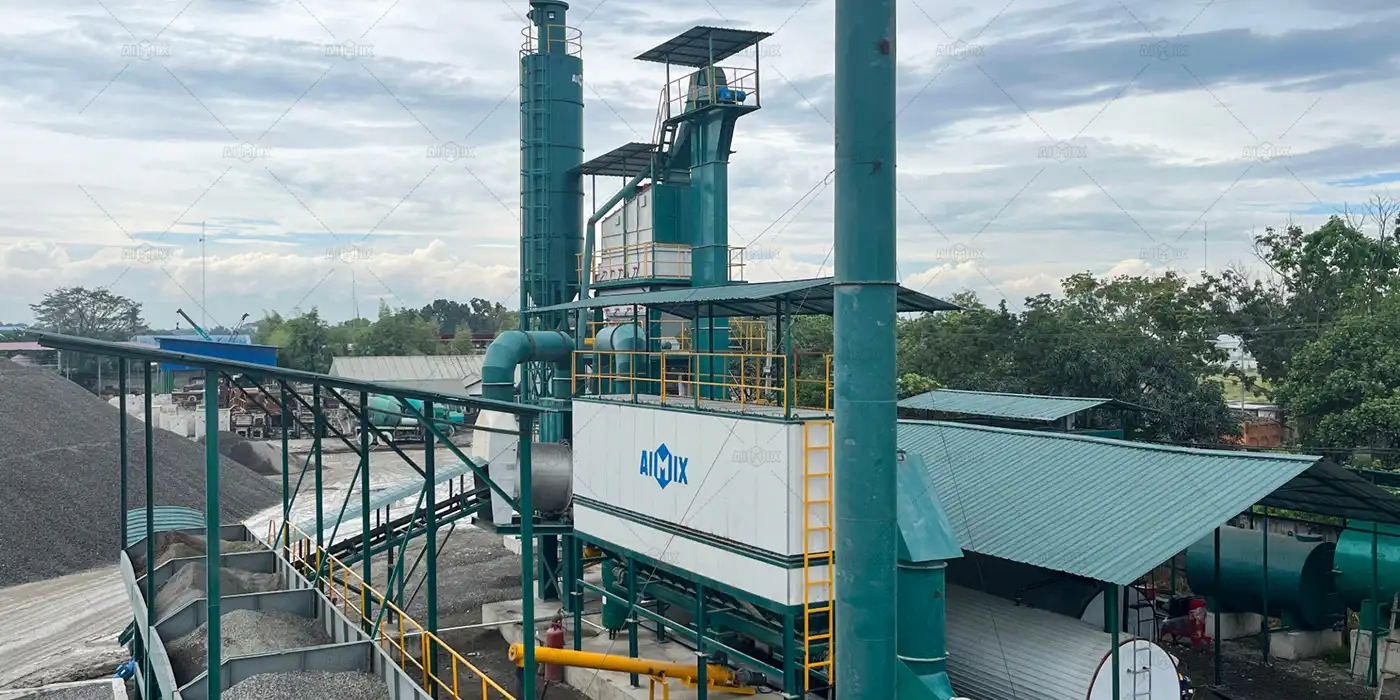
7. Initial Investment and Operating Cost Structure
Even a promising market can produce disappointing financial results if the initial investment or operating costs are poorly estimated. Investors should calculate the complete cost of establishing and running the business before selecting equipment.
Calculate the Full Initial Investment
The purchase price of an asphalt mixing plant represents only one part of the total project investment. Other expenses may include:
- Land acquisition or industrial site leasing.
- Site preparation, foundations, drainage, and access roads.
- Asphalt mixing plant purchase and transportation.
- Import duties, customs clearance, and port handling where applicable.
- Installation, commissioning, and operator training.
- Bitumen storage tanks and heating systems.
- Aggregate storage areas and feeding equipment.
- Dust collection and environmental protection systems.
- Power supply, generators, fuel storage, and utility connections.
- Loader, trucks, laboratory equipment, and other supporting machinery.
- Initial raw material inventory and working capital.
For imported equipment, investors should request a detailed quotation that clearly identifies the equipment scope, shipping arrangements, installation responsibilities, and excluded costs. This helps prevent unexpected expenses after the purchase agreement. Before comparing suppliers, it is useful to understand the complete asphalt plant cost, including supporting facilities and the expenses required to bring the plant into commercial operation.
Estimate Production Costs Per Ton
To understand whether the business can compete, investors need to calculate the cost of producing one ton of asphalt mixture.
The main cost categories include:
- Aggregates and mineral filler.
- Bitumen and other mixture additives.
- Diesel, natural gas, or other heating fuel.
- Electricity and power generation.
- Direct labor and management expenses.
- Equipment maintenance and spare parts.
- Environmental management and waste handling.
- Plant depreciation, insurance, and financing expenses.
These expenses should be evaluated using local supplier quotations and realistic operating assumptions. A small change in fuel or bitumen prices can have a meaningful impact when annual production reaches tens of thousands of tons.
8. Selling Prices, Profit Margins, and Break-Even Volume
Knowing production costs is only half of the financial analysis. Investors must also determine whether local customers will accept a selling price that covers those costs and generates a sufficient return.
Determine the Realistic Selling Price
Asphalt selling prices vary according to mixture design, aggregate specifications, bitumen content, local supply conditions, transportation distance, and contract requirements.
Investors should collect quotations from competing producers and discuss purchasing conditions with potential contractors. They should also compare prices on a consistent basis. For example, a plant-gate price should not be directly compared with a delivered price that already includes transportation.
Where possible, the business should establish pricing mechanisms that account for changes in major raw material costs. This can reduce the risk of long-term contracts becoming unprofitable.
Calculate the Break-Even Production Volume
The break-even point indicates how much asphalt the business must sell to cover its costs.
Contribution Margin Per Ton = Selling Price Per Ton – Variable Cost Per Ton
Break-Even Sales Volume = Annual Fixed Costs / Contribution Margin Per Ton
For example, assume a new asphalt producer has annual fixed costs of $300,000. Its average selling price is $65 per ton, while variable production and delivery costs total $50 per ton.
- Contribution margin: $65 – $50 = $15 per ton.
- Annual fixed costs: $300,000.
- Break-even sales volume: $300,000 / $15 = 20,000 tons per year.
This simplified example excludes financing, taxes, and other possible accounting adjustments. It also assumes that the stated variable costs include all relevant volume-related expenses.
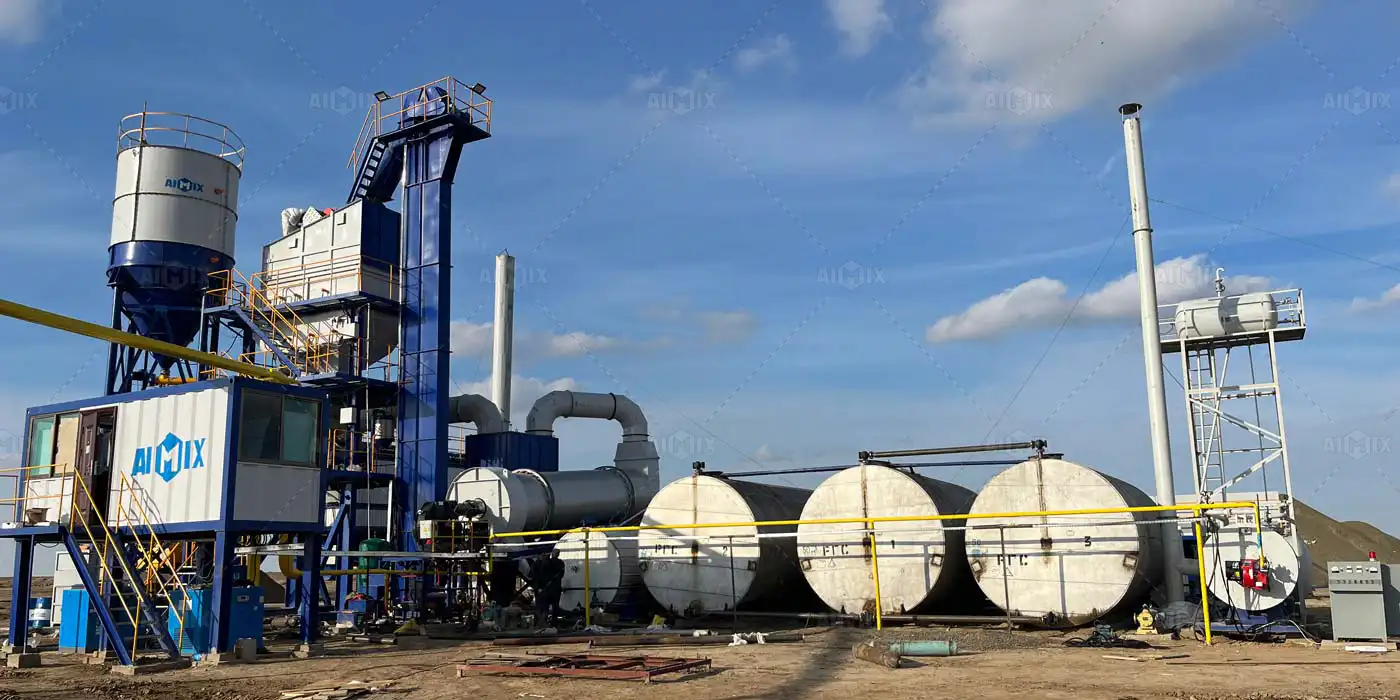
The calculation shows why production capacity and actual sales volume must be evaluated separately. A 120 TPH plant may have the technical ability to produce substantial quantities, but the business still needs enough confirmed orders to exceed its break-even volume.
9. Seasonal Demand, Weather, and Annual Operating Days
Asphalt production is closely connected to road construction schedules and weather conditions. Rainfall, extreme temperatures, and local construction restrictions can reduce the number of productive working days.
In tropical markets, heavy rainfall and monsoon seasons may interrupt paving operations, delay material transportation, and reduce contractor demand. In colder regions, low temperatures can also restrict asphalt production and placement.
Build a Realistic Annual Production Schedule
Investors should estimate the number of practical operating days rather than assuming that the plant will run every day of the year.
For example, a business plan should account for:
- Rainy and dry seasons.
- Public holidays and construction restrictions.
- Road project commencement and completion dates.
- Planned equipment maintenance.
- Material supply interruptions.
- Customer payment and procurement schedules.
In regions with strong seasonal fluctuations, a flexible customer portfolio can help maintain production during periods when large infrastructure projects slow down.
10. Environmental Regulations and Local Business Requirements
Environmental compliance is another important factor in the viability of an asphalt production business. Investors should confirm that the proposed site and production process meet the applicable environmental, land-use, industrial, and construction requirements.
Evaluate Environmental Requirements Before Purchasing Equipment
Asphalt production involves aggregate handling, drying, heating, mixing, and material storage. These processes can generate dust, combustion emissions, noise, and other environmental impacts.
Depending on local regulations, a new plant may need appropriate dust collection systems, emission controls, noise management, wastewater arrangements, and environmental monitoring.
In Indonesia, for example, investors should investigate applicable AMDAL or UKL-UPL requirements, environmental approvals, industrial land-use conditions, and relevant local operating permits. Requirements depend on the project’s scale, location, and regulatory classification.
It is better to evaluate these requirements during site selection than to discover compliance problems after equipment installation.
11. Financing Conditions and Return on Investment
A viable asphalt production business must generate enough cash to cover operating expenses, debt obligations, equipment depreciation, and future investment needs. Therefore, financing conditions can influence the project just as much as market demand.
Assess Capital Availability and Financing Costs
Investors should determine how much capital they can commit without placing excessive pressure on other business operations. If the project requires bank financing, interest rates, repayment schedules, collateral requirements, and loan approval conditions should be included in the financial model.
Working capital also deserves attention. Asphalt producers may need to purchase bitumen and aggregates before receiving payments from construction contractors. A business with strong accounting profits can still face liquidity problems if customer payments arrive too late.
Evaluate Multiple Investment Scenarios
Rather than relying on one optimistic forecast, investors should compare several operating scenarios:
- Conservative scenario: Lower annual sales, higher raw material prices, and fewer operating days.
- Expected scenario: Realistic sales volumes based on identified customers and current market conditions.
- Growth scenario: Higher utilization after securing additional construction contracts and expanding the customer base.
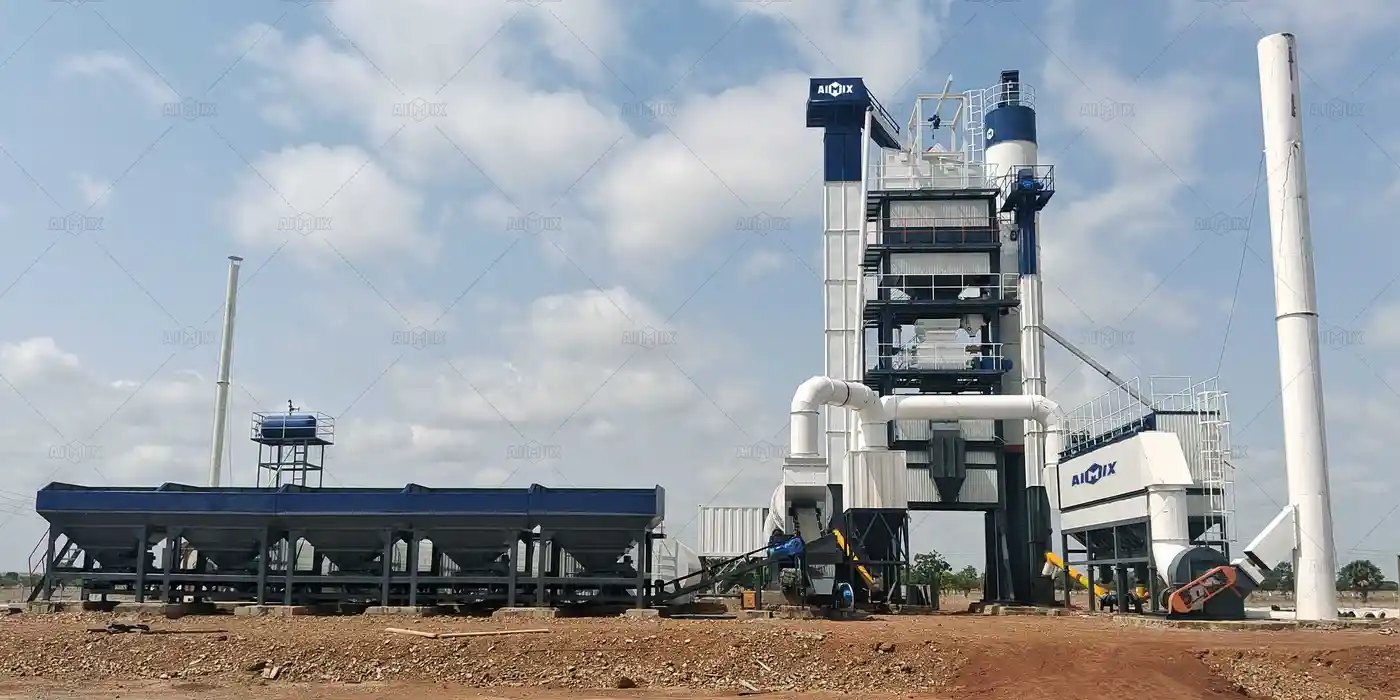
Each scenario should include revenue, variable costs, fixed expenses, financing costs, working capital, and expected cash flow. This approach helps investors understand how much risk the project can withstand. It also provides a clearer basis for deciding whether to purchase a smaller plant initially or invest in a larger production facility.
12. Business Viability Checklist Before Investing in an Asphalt Plant
After evaluating all the major market and operational factors, investors can bring the information together into a practical decision-making checklist.
- Market demand: Is there sufficient annual asphalt consumption in the target service area?
- Customer access: Have potential buyers, contractors, or project owners been identified?
- Competition: Can the new business compete through location, delivery, product quality, or supply reliability?
- Raw materials: Are aggregates, bitumen, and fuel available at predictable prices?
- Site selection: Can the location efficiently serve customers and receive raw materials?
- Production capacity: Does the selected plant capacity match realistic annual sales?
- Investment budget: Does the financial plan include installation, supporting facilities, and working capital?
- Operating costs: Can the business maintain a competitive production cost per ton?
- Regulatory compliance: Can the proposed site and plant meet applicable environmental and industrial requirements?
- Financial performance: Can expected sales exceed the break-even volume and support a reasonable investment return?
- Risk management: Can the business continue operating if a major customer delays a project or raw material prices increase?
If several critical questions remain unanswered, investors should conduct further market research before committing to equipment procurement. A well-supported investment decision is more valuable than an impressive production capacity on paper.
Conclusion: Build an Asphalt Production Business Around Real Market Demand
The viability of a new asphalt production business depends on the relationship between market demand, competitive supply, raw material costs, transportation efficiency, production capacity, and financial performance. No single factor can guarantee success. A strong construction market may still produce weak returns if competitors dominate the customer base or logistics costs consume the profit margin.
For this reason, investors should start with customer demand and realistic annual sales estimates. They should then select a production location, evaluate raw material sources, calculate the break-even volume, and choose an asphalt mixing plant that matches the actual business opportunity.