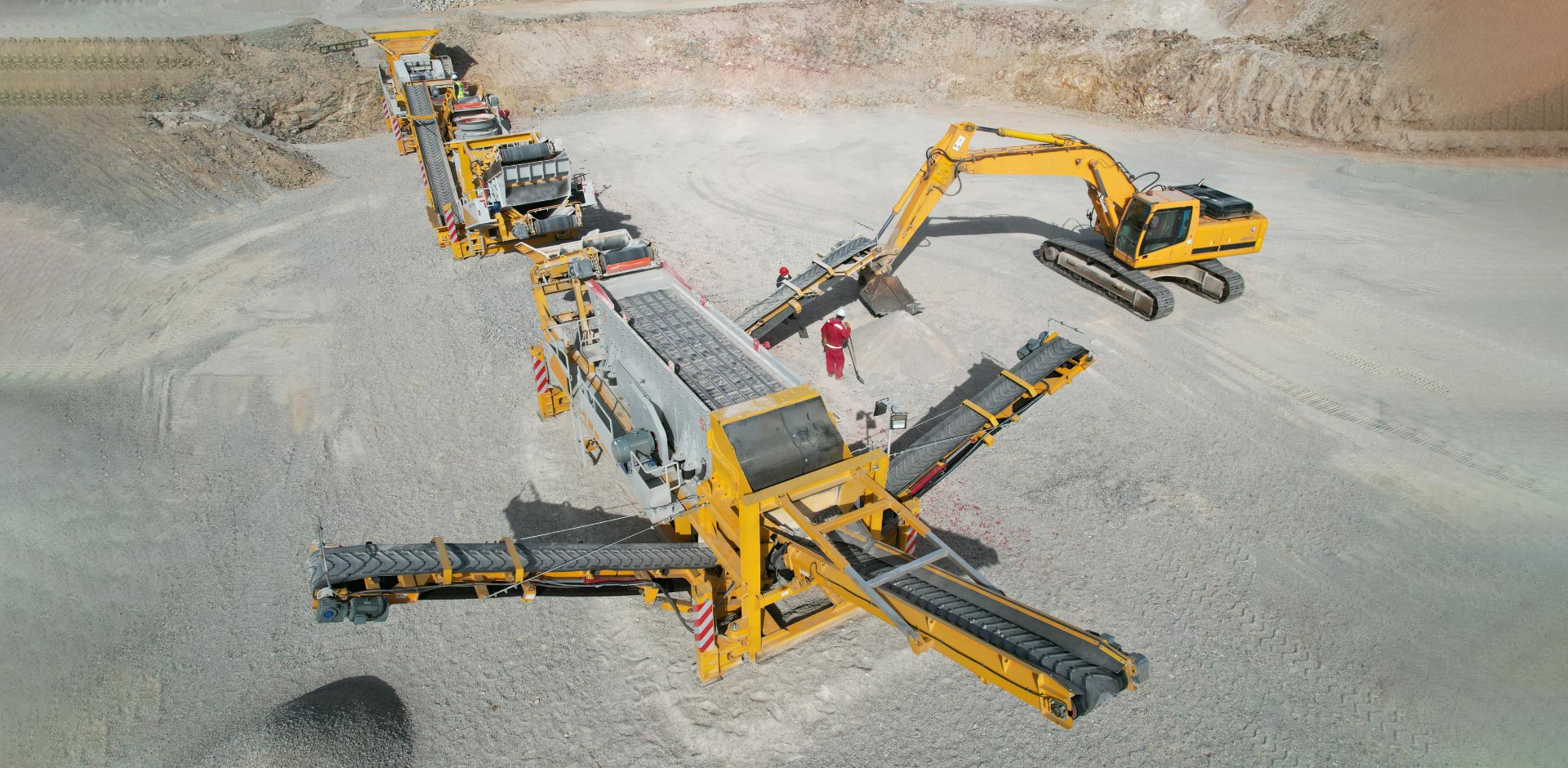
Starting an aggregate production business requires more than purchasing crushing equipment. Entrepreneurs need to evaluate local market demand, raw material availability, production capacity, transportation costs, site conditions, and operating expenses before investing. Mobile crusher plants can be an attractive option because they provide greater flexibility than conventional stationary crushing systems. They can be moved between working areas, reduce material transportation requirements, and adapt to different aggregate production projects. With proper planning, a mobile crushing business can serve construction companies, road contractors, quarry operators, and other aggregate buyers.
1. Research the Local Aggregate Market
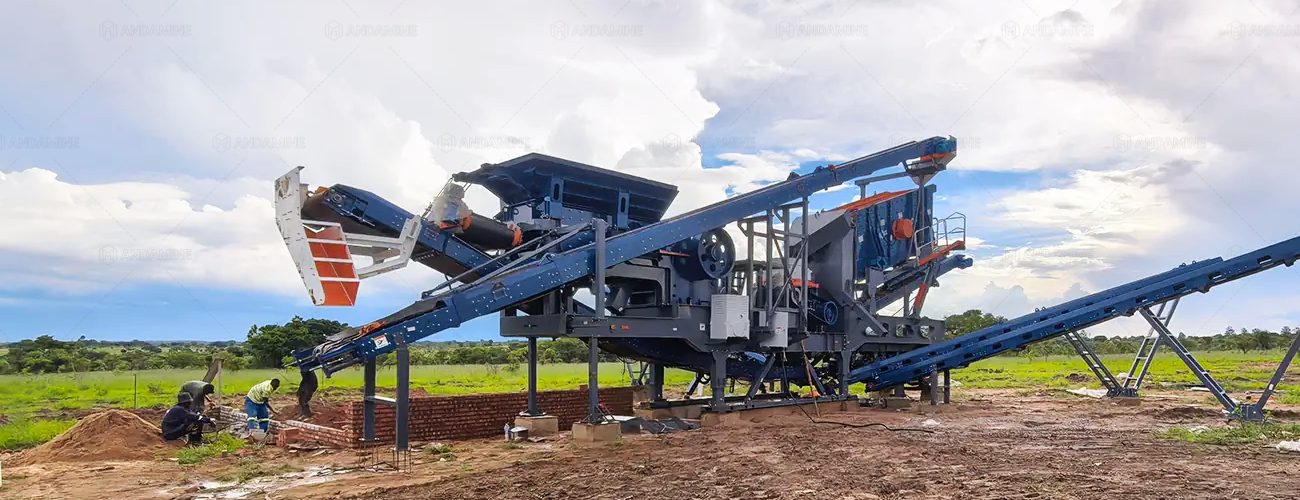
The first step in starting an aggregate production business is understanding the local market. Determine what types of aggregates are in demand and identify potential customers in the target area.
Common customers include concrete batching plants, asphalt producers, road construction contractors, building contractors, infrastructure companies, and commercial aggregate distributors. Different customers may require different aggregate sizes, so market research should cover both product demand and expected selling prices.
It is also useful to study existing competitors. Analyze their production capacity, product range, delivery distances, and pricing. This information can help determine whether there is enough market space for a new aggregate production operation.
2. Evaluate Available Raw Materials
Aggregate production depends heavily on the availability and quality of raw materials. Before purchasing mobile crusher plants, identify potential sources of rock and determine whether the material is suitable for crushing.
Granite, basalt, limestone, river stone, and other rocks have different hardness and abrasiveness characteristics. These properties directly affect crusher selection, wear-part consumption, energy requirements, and final product quality.
The maximum feed size should also be measured because it determines the required opening and capacity of the primary crusher. A professional material analysis can help prevent the selection of equipment that is unsuitable for the local rock.
3. Choose the Right Mobile Crusher Plant
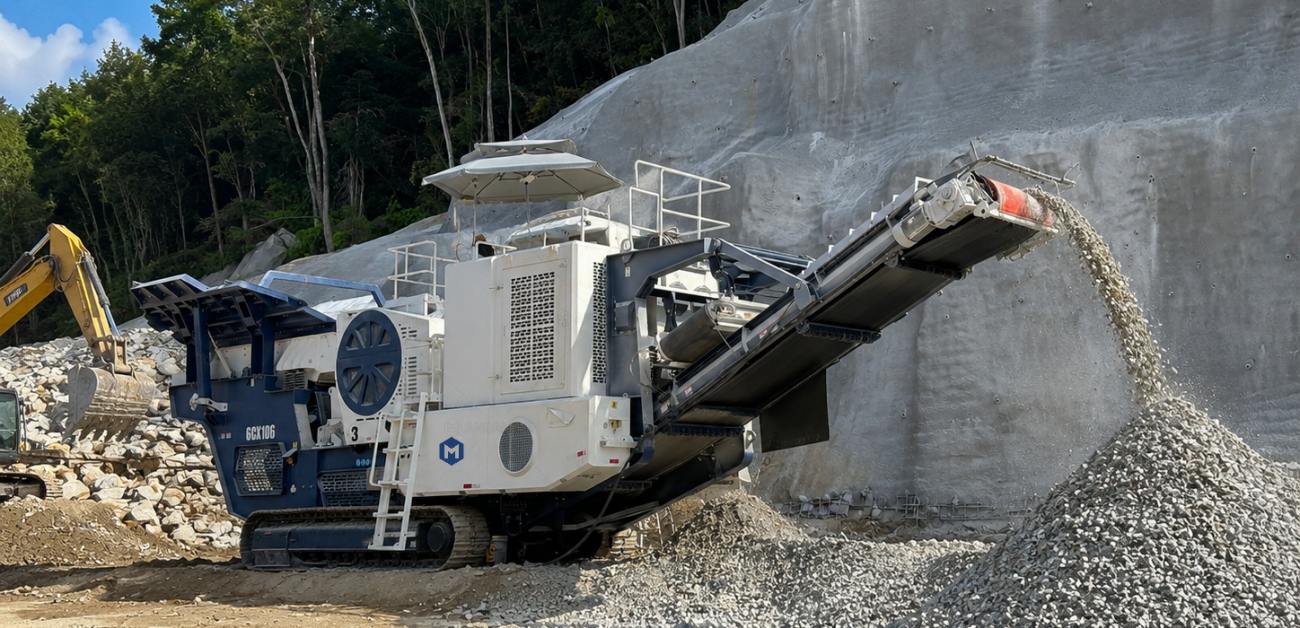
Different mobile crusher plants are designed for different crushing stages and materials. The appropriate configuration depends on feed size, rock characteristics, required capacity, final aggregate sizes, and the number of crushing stages.
Mobile Jaw Crusher Plant for Primary Crushing
A mobile jaw crusher plant is commonly used for primary crushing. It can handle large pieces of raw rock and reduce them into a suitable size for secondary crushing or screening.
This type of equipment is particularly useful when the business needs to process large feed material close to the quarry or construction site. Its mobility can also reduce the need to transport raw rock over long distances.
Mobile Cone Crusher Plant for Secondary Crushing
A mobile cone crusher plant is commonly used after primary crushing when the business needs further size reduction and controlled aggregate production. Cone crushers are well suited to many hard and abrasive materials.
A mobile cone crushing unit can work together with a mobile jaw crusher plant to create a multi-stage crushing process. This configuration can produce more uniform aggregate sizes and improve the utilization of raw materials.
Mobile Impact Crusher Plant for Suitable Materials
A mobile impact crusher plant uses impact force to reduce material and can be suitable for certain soft to medium-hard materials and applications where particle shape is important.
Depending on the material and final product requirements, an impact crusher can serve as a primary or secondary crushing unit. It may also be considered when the business needs aggregates with favorable particle shape for specific construction applications.
4. Determine the Required Production Capacity
Production capacity should be based on realistic market demand rather than simply choosing the largest available plant. A business serving local contractors may require a moderate-capacity mobile crushing system, while a large quarry operation may need a higher-capacity multi-stage configuration.
Consider expected hourly production, daily operating hours, seasonal demand, and future business expansion. The crushing plant should provide enough capacity to meet peak demand without being unnecessarily oversized.
Capacity should also be evaluated together with screening and conveying systems. A high-capacity crusher cannot achieve its full production potential if the screen, feeder, or conveyor becomes a bottleneck.
5. Plan the Crushing and Screening Process
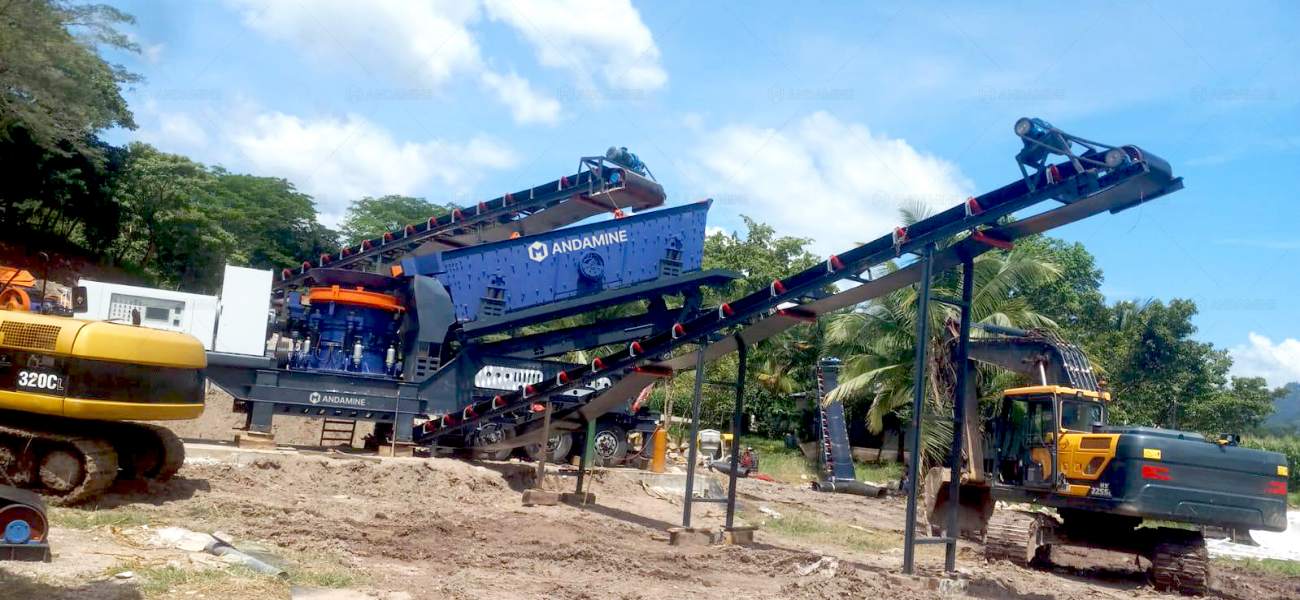
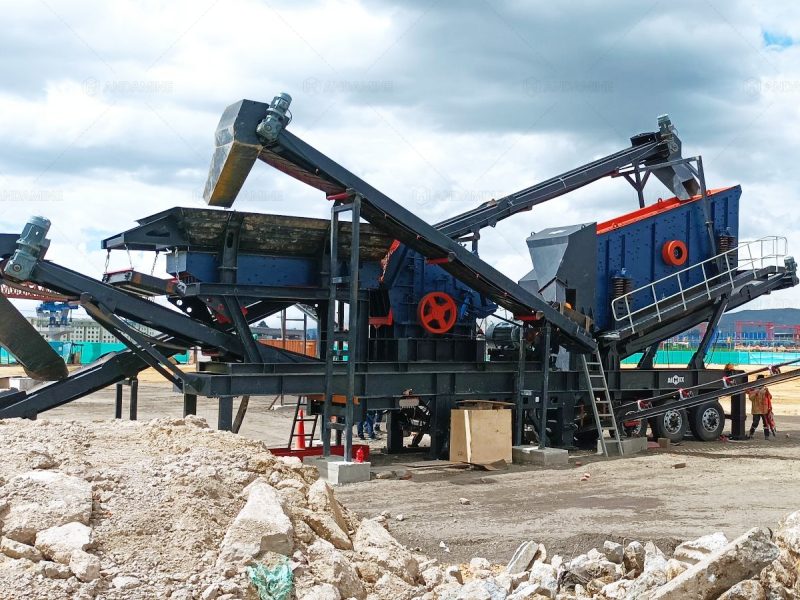
Aggregate businesses often need to produce several different sizes of finished material. A complete mobile crushing solution may therefore include crushers, vibrating screens, feeders, and conveyors.
For example, raw rock can first enter a mobile jaw crusher plant for primary reduction. The crushed material can then be transferred to a mobile cone crusher plant for secondary crushing before entering a screening system. Oversized material can return to the crusher for further processing, while qualified material is separated into different stockpiles.
For suitable materials, a mobile impact crusher plant may be integrated into the process instead of or in addition to cone crushing.
6. Take Advantage of Mobile Equipment
Mobility is one of the major advantages of this business model. Instead of building a permanent crushing plant at one location, operators can move the equipment closer to different material sources or project sites.
This flexibility can reduce raw-material hauling distances and make it easier to serve multiple construction projects. It can also be useful for contract crushing businesses that work for different customers over time.
However, relocation requirements should be considered when selecting equipment. Operators should evaluate transportation dimensions, site accessibility, setup requirements, and the frequency with which the plant will need to move.
7. Calculate the Total Investment and Operating Costs
Equipment purchase price is only one part of the investment. A business plan should include transportation, site preparation, installation or commissioning, labor, fuel or electricity, spare parts, maintenance, insurance, permits, and other operating expenses.
Wear parts deserve particular attention because crushing hard and abrasive rock can increase replacement frequency. Estimating these costs in advance provides a more realistic picture of potential profitability.
The expected selling price and monthly production volume can then be compared with total operating costs to estimate revenue and potential return on investment.
8. Plan Maintenance and Technical Support
Reliable equipment is essential for an aggregate production business because unexpected downtime directly reduces saleable output. Operators should establish regular inspection, lubrication, cleaning, and wear-part replacement schedules.
When purchasing mobile crusher plants, buyers should also evaluate spare-parts availability and technical support. Quick access to replacement components and professional troubleshooting can reduce downtime when equipment problems occur.
9. Build a Scalable Aggregate Production Business
A new aggregate business does not necessarily need to begin with the largest crushing line. Starting with a properly sized mobile crushing solution can reduce initial investment while allowing the operator to understand local market demand.
As customer demand increases, additional crushing or screening units can be introduced. For example, a business may initially use a mobile jaw crusher plant for primary crushing and later add a mobile cone crusher plant for higher-quality secondary aggregates.
Alternatively, a mobile impact crusher plant can be added when the business expands into suitable materials or applications requiring improved particle shape.
Conclusion
Learning how to start an aggregate production business begins with market research, raw material analysis, equipment selection, capacity planning, and careful cost calculation. Mobile crusher plants provide an adaptable solution because they can be relocated between material sources and construction sites while reducing unnecessary aggregate transportation.
A mobile jaw crusher plant can handle primary crushing, a mobile cone crusher plant can provide secondary or tertiary crushing for suitable hard materials, and a mobile impact crusher plant can offer an alternative crushing solution for suitable materials and particle-shape requirements. By selecting the right combination and planning the entire production process, entrepreneurs can build a flexible aggregate business with controlled investment, efficient production, and opportunities for long-term growth.