In recent years, the landscape of rubber‑tyred gantry (RTG) cranes has evolved significantly. What were once largely diesel-powered, manually-operated machines have gradually transformed into high-tech, energy-efficient, automated – and increasingly sustainable – components of modern container terminals. Driven by environmental regulations, port automation trends, and the growth of global trade, RTG manufacturers are pushing the envelope with new innovations. Below are some of the most important developments shaping the RTG market today.
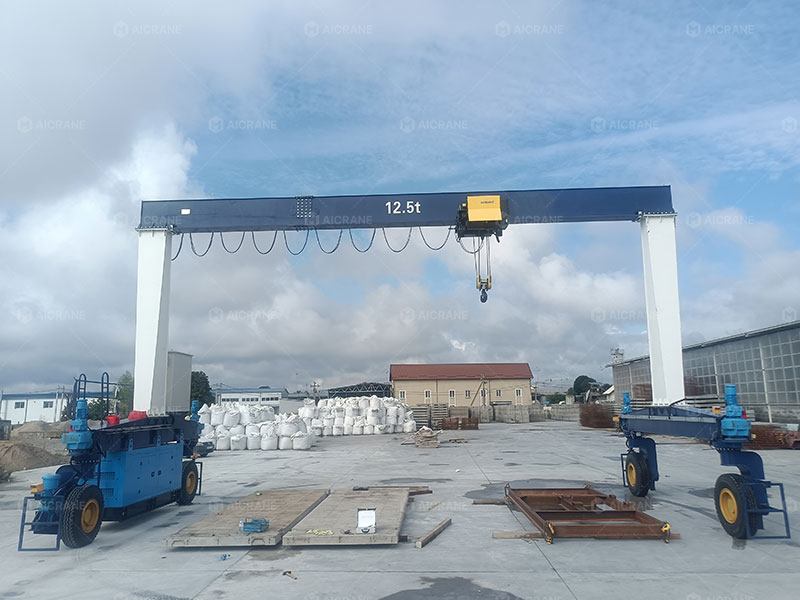
1. Electrification & Hybrid Power: Toward Cleaner, Greener Operations
One of the most significant shifts in the RTG world is the move away from traditional diesel-only power systems toward electric and hybrid solutions. This transition addresses mounting environmental and regulatory pressure to reduce emissions and noise at ports.
-
Fully electric RTGs: Some of the latest RTG container crane models are completely powered by electricity, eliminating reliance on diesel engines. These models enable terminals with stable grid access to run RTGs with zero on-site exhaust emissions.
-
Hybrid RTGs with energy storage: For terminals lacking consistent grid power or requiring flexibility, hybrid RTGs combine diesel generators with battery banks or super‑capacitors. The hybrid design allows the diesel generator to work at optimal load while batteries handle peak hoisting loads or movement, reducing fuel consumption, emissions, and operational costs.
-
Regenerative braking & energy recovery: Some of the new generation RTGs are equipped with systems that can capture energy during load lowering or braking and feed it back into batteries or the power system, further improving energy efficiency and contributing to lower lifecycle operating costs.
-
Noise reduction and environmental compliance: Electric motors are significantly quieter than diesel engines. The shift to electric/hybrid drives reduces noise pollution, which benefits both port workers and surrounding communities.
These powertrain innovations align RTG operations with global calls for decarbonization, helping ports meet stricter emission standards while improving sustainability and public image.
2. Automation & Remote Operation: The Rise of Smart RTG Cranes
As ports strive to maximize throughput and minimize human error, automation and remote-control capabilities are becoming key differentiators for rubber tyred gantry crane manufacturers. Modern RTGs are increasingly designed as “smart machines,” capable of operating fully or partially without on‑board human operators.
-
Semi-automated and fully automated RTGs: Several leading manufacturers now provide RTG models that support semi‑automated or fully automated container handling. This reduces the dependency on skilled crane drivers, lowers labor costs, and increases operational hours.
-
Remote operation from central control rooms: Instead of having operators in crane cabins, remote-operation systems allow control from a centralized terminal control center. This improves operator comfort and safety and enables more flexible allocation of human resources.
-
Sensor-based load alignment & anti-sway / collision prevention systems: Modern RTGs increasingly use optical sensors, load‑sensing, and advanced control algorithms to automatically align spreaders with container corner castings, precisely stack containers, and prevent swaying or collisions.
-
Real-time monitoring, predictive maintenance, and digital twin integration: With IoT sensors and telematics, RTGs can report real‑time data on load, wheel loads, engine or motor performance, wear, and energy consumption. These data feed into analytics systems for predictive maintenance — minimizing unplanned downtime.
Automation-driven innovations significantly increase yard productivity, reduce human error, and lower long-term operational costs, making RTGs more attractive to modern, high-throughput container terminals.
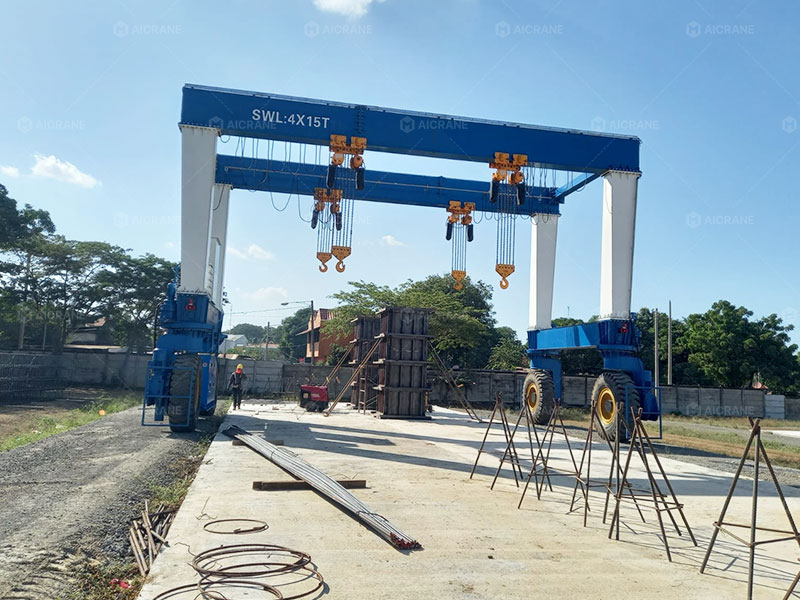
3. Modular Design, Versatility and Adaptive Handling
Traditionally, RTGs were dedicated to handling standard shipping containers. However, evolving port requirements – including mixed cargoes, oversized loads, or shifting operational needs – have pushed RTG manufacturers to design more adaptable, modular cranes.
-
Modular spreaders and adaptive load interfaces: New RTG systems offer adjustable spreaders, modular end-effectors, and interchangeable attachments to handle not only standard containers but also open-top containers, flat racks, heavy industrial loads, precast concrete elements, and non-uniform cargo.
-
Flexible wheel-steering and movement modes: Advanced wheel systems, such as omni-directional or crab-steer configurations, enable RTGs to maneuver laterally or diagonally, navigate tight spaces more easily, and precisely align for loading or unloading.
-
Scalable, customizable crane platforms: Companies build RTG platforms that can be customized – in width, lifting capacity, powertrain type, and automation level – to fit the customer’s operational profile.
This modularity and adaptability mean that a single RTG platform can serve diverse roles – from handling standard containers in a terminal to moving oversized or awkward loads in industrial or intermodal yards.
4. Safety, Ergonomics, and Operator-Focused Innovations
While heavy equipment always demands strong attention to safety, modern RTG designs increasingly emphasize operator comfort and safety.
-
Anti-sway and load-stabilization systems: These systems automatically dampen load swing and ensure stable hoisting and placement even under heavy or unbalanced loads, reducing the risk of accidents or damage.
-
Improved cabins and remote-operator ergonomics: For RTGs still operated manually, newer cabin designs improve visibility, operator comfort, and ergonomic layout. Remote-operation setups remove operators from hazardous environments altogether.
-
Integrated monitoring, diagnostics, and maintenance alarms: Real-time monitoring of critical parameters such as load weights, wheel loads, drive system status, and brake wear allows for alerts to potential faults before they lead to failure, increasing equipment reliability and reducing downtime.
Safety and ergonomics improvements not only help protect workers and cargo but also reduce insurance, maintenance, and downtime costs, contributing to more efficient operations.
5. Integration with Smart Port and Digital Logistics Infrastructure
RTG innovations are part of a broader transformation of ports into “smart terminals,” where container movements, yard planning, maintenance, and resource allocation are coordinated with digital systems, AI analytics, and real-time data.
-
Connected cranes feeding real-time data to port management systems: Modern port gantry cranes can feed data on location, load history, energy consumption, and performance into Terminal Operating Systems (TOS), enabling centralized coordination and resource optimization.
-
Predictive maintenance and fleet management: Aggregated data from an RTG fleet allows ports to plan maintenance ahead, reducing unplanned outages and extending equipment lifespan.
-
Dynamic crane assignment and yard planning using AI: AI can dynamically assign cranes to container moves based on vessel schedules, yard congestion, and container priority, optimizing yard throughput and reducing dwell times.
-
Interoperability with other automated yard equipment: RTGs are starting to interact with other terminal automation systems – such as automated guided vehicles (AGVs) and stacking cranes – enabling smoother container handoffs and end-to-end automation.
This convergence of RTGs with digital logistics infrastructure transforms cranes from heavy machinery into data nodes in a networked logistics system.
6. Implications and Future Trends
The recent innovations in RTG technology have several implications for terminal operators and crane buyers:
-
Lower operating costs and environmental compliance through electric or hybrid powertrains.
-
Increased throughput and operational efficiency thanks to automation and smart yard management.
-
Improved flexibility and versatility through modular designs and adaptive spreaders.
-
Longer asset life and reduced downtime via predictive maintenance and real-time monitoring.
-
Enhanced safety and operator ergonomics through anti-sway, collision prevention, and remote operation.
Looking forward, trends likely to shape RTG development include wider adoption of electric gantry cranes, increased use of AI and data analytics, more modular and interchangeable crane platforms, integration into broader smart-port ecosystems, and advancements in battery and energy storage technology. Safety, automation, and environmental efficiency will continue to drive innovation, making RTGs smarter, greener, and more productive than ever before.