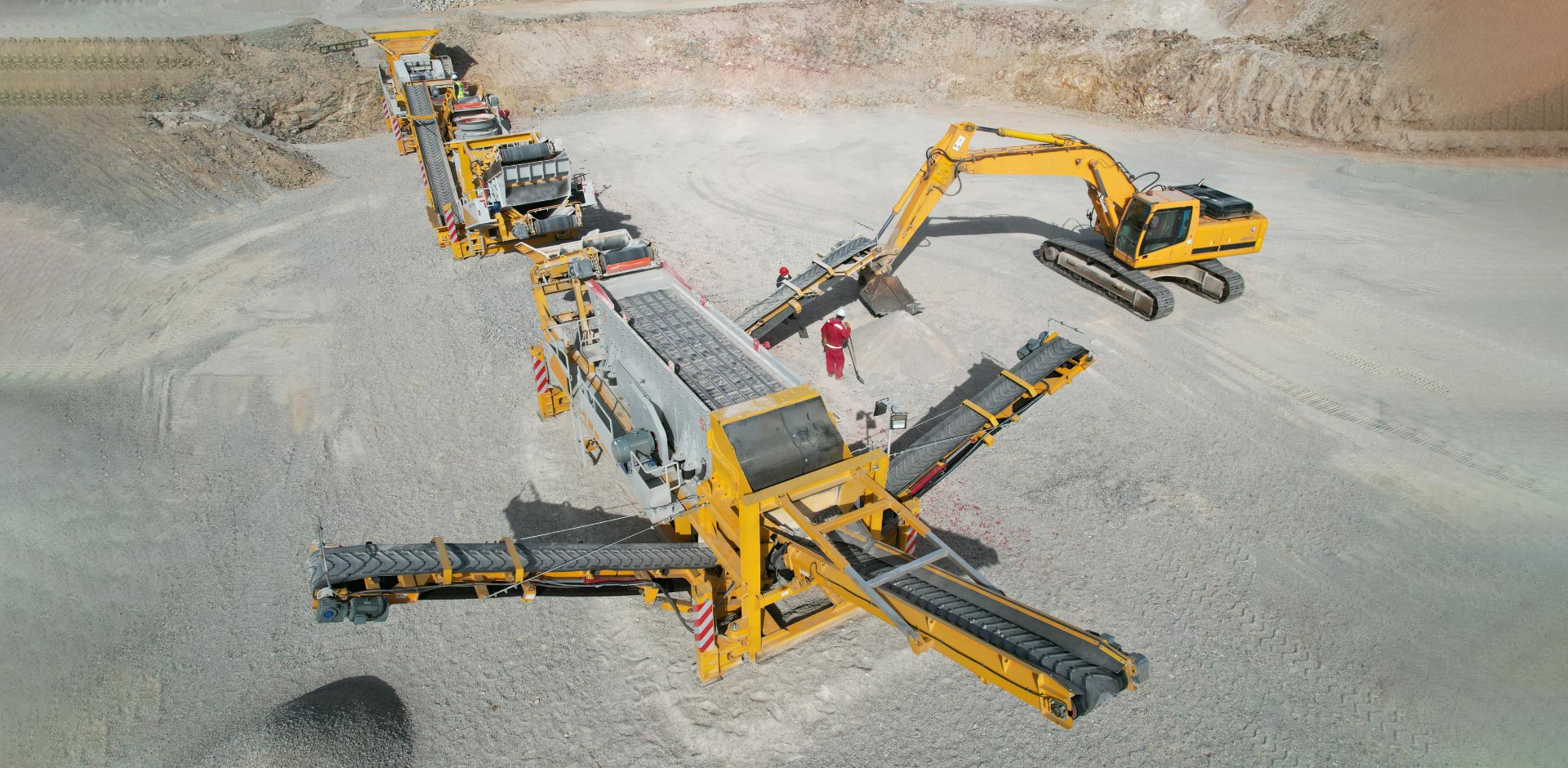
Aggregate particle shape affects concrete workability, asphalt performance, road base compaction, and the commercial value of finished materials. Although cubical aggregates are often preferred for construction applications, producing them can also generate excessive fines if the crushing process is not properly controlled. Selecting the right types of crusher machine therefore requires more than comparing capacity or feed size. Operators must consider rock properties, reduction ratios, equipment configuration, screening efficiency, and the required balance between particle shape and saleable product yield.
Why Particle Shape Matters in Aggregate Production
Aggregate particles are commonly described as cubical, angular, elongated, or flaky. Cubical particles generally provide more predictable packing and handling characteristics, while elongated and flaky particles may affect compaction, workability, and the performance of certain construction mixtures. However, the ideal shape depends on the final application and its material specifications.
Particle shape is influenced by the original rock structure, fracture characteristics, crushing mechanism, and number of crushing stages. For example, naturally rounded river gravel behaves differently from angular granite or basalt. Hard, abrasive rock may require a different crushing strategy from softer limestone, even when both materials must meet the same product specification.
The objective is not necessarily to maximize cubical particles at any cost. Excessive crushing can turn material that could have been sold as coarse aggregate into fine particles, increasing wear costs and reducing the yield of higher-value products. A practical production target should define acceptable particle shape, required size distribution, and maximum allowable fines together.
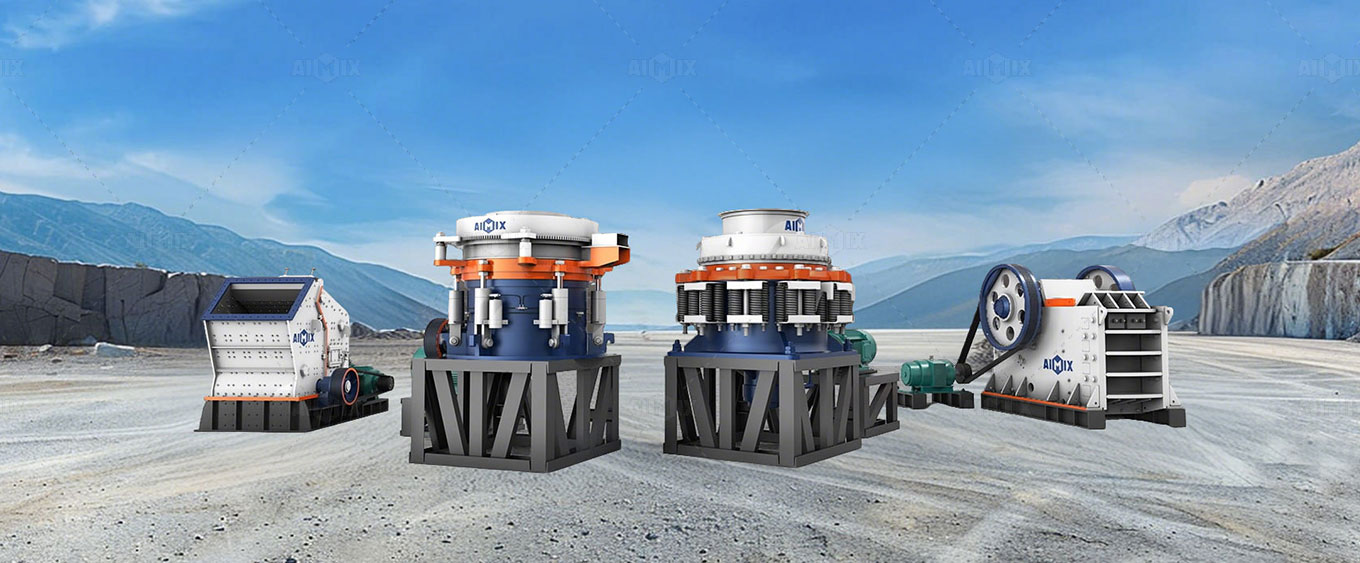
How Different Types of Crusher Machine Affect Particle Shape
Jaw Crusher Machines: Primary Size Reduction
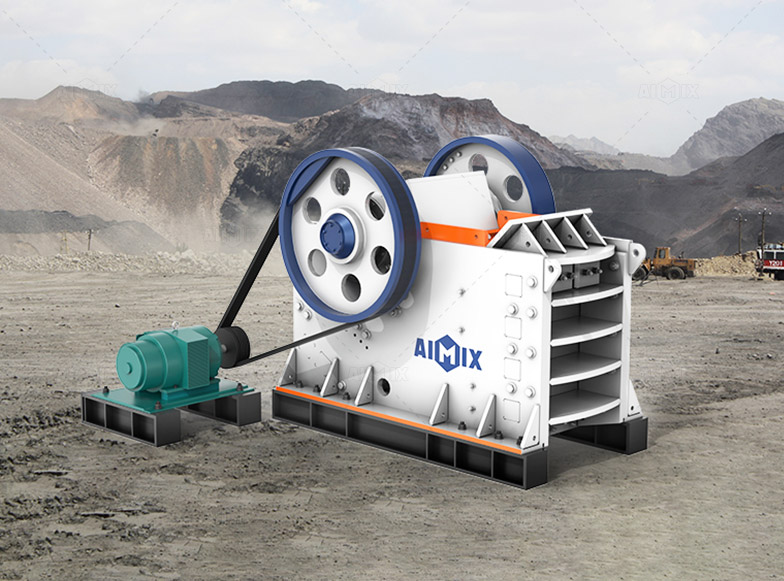
Jaw crusher machines are widely used for primary crushing because they can handle large feed material and reduce it to a size suitable for downstream processing. Material is compressed between a fixed jaw and a moving jaw, producing fractured rock that is typically angular and irregular.
A jaw crusher is usually selected to handle the largest reduction duty rather than to produce the final particle shape. Excessively small discharge settings can increase the proportion of fines, accelerate jaw plate wear, and raise energy consumption. If the primary crusher is forced to produce the final aggregate size directly, it may also create an unfavorable combination of particle shape and throughput.
For many aggregate plants, a better approach is to use the jaw crusher for controlled primary reduction, then transfer appropriately sized material to secondary crushing and screening. This arrangement allows each machine to perform a more specific task and reduces the need for excessive crushing in the primary stage.\
Stone Cone Crusher Machine: Controlled Secondary Crushing
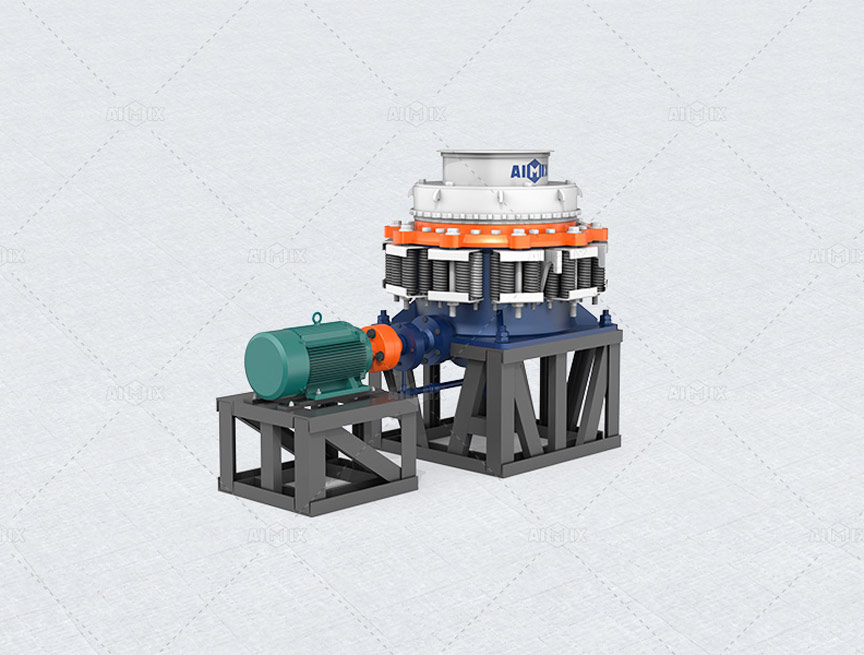
A stone cone crusher machine uses compression between a moving mantle and a stationary concave liner. It is commonly used for secondary or tertiary crushing of hard and abrasive materials, including granite, basalt, and other durable rocks. When correctly configured, it can produce a consistent aggregate size distribution with relatively stable operation.
Particle shape depends on feed gradation, chamber selection, closed-side setting, and the amount of material passing through the crushing chamber. A well-matched feed allows the chamber to operate effectively. By contrast, uneven feeding or a poorly matched chamber can reduce crushing efficiency and create an inconsistent product.
Cone crushers may improve shape through appropriate compression and interparticle crushing, particularly when the chamber is well filled and the circuit is designed for the required reduction ratio. However, a tighter setting does not automatically guarantee better cubical shape. It may increase fines and wear without delivering a proportional improvement in product quality. The correct setting should be established through production testing rather than assumed from a general rule.
Impact Crushers: Using Fracture to Improve Shape
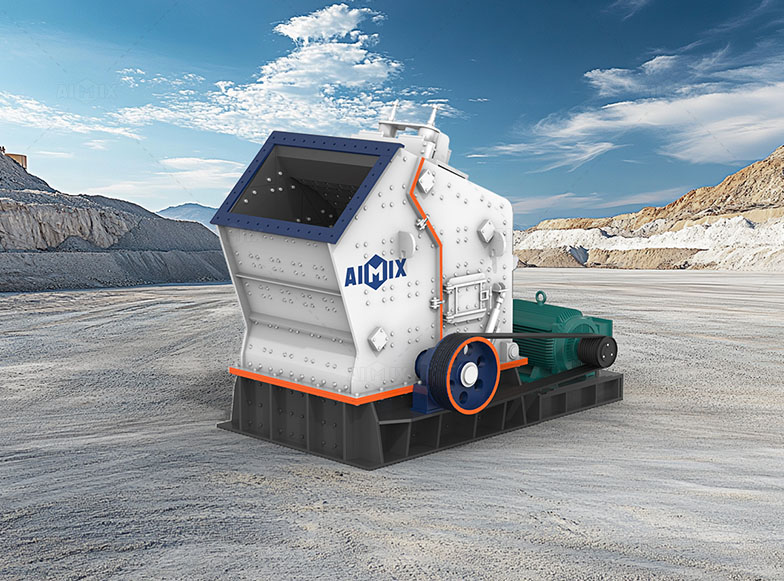
Impact crushers accelerate rock against impact surfaces or other material, breaking particles through high-energy collisions. They are often considered when aggregate producers need improved particle shape, especially for materials that fracture readily. The resulting particles can be more cubical than those produced by some compression-based configurations.
The trade-off is that impact crushing may generate more fines, depending on rock toughness, rotor speed, feed size, and the reduction required. Abrasive feed materials can also increase wear on blow bars and impact liners. For this reason, an impact crusher should be evaluated against the value of improved shape, expected fines production, wear-part consumption, and the quality requirements of the finished aggregate.
How to Balance Cubical Aggregates and Fines
The most effective way to manage particle shape is to control the entire crushing circuit instead of relying on one machine. Several operating variables deserve attention:
- Feed gradation: Keep the feed within the crusher’s designed size range and avoid excessive fluctuations. Oversized feed can reduce efficiency, while unsuitable feed distribution may prevent the chamber from operating under its intended conditions.
- Crusher setting: Adjust the discharge setting according to the required product size and actual particle shape. A smaller setting may increase reduction but can also raise fines production and wear.
- Feed consistency: Maintain a steady, well-distributed feed. Starved or irregular feeding can reduce the effectiveness of some crushing chambers and lead to unstable product quality.
- Screening and recirculation: Screen the crushed material and return only the fractions that require further reduction. Excessive recirculation can cause unnecessary crushing, while poor screening may allow unwanted sizes to enter the final product.
- Rock characteristics: Test representative samples because hardness alone does not determine crushing behavior. Fracture patterns, abrasiveness, moisture, and feed size can all affect shape and fines generation.
Operators should measure particle shape and fines content at the same time. If the cubical fraction improves but the fines percentage rises sharply, the circuit may be over-crushing the material. If fines remain low but elongated particles exceed specification, the secondary crushing stage or chamber configuration may need adjustment. The best operating point is the one that meets product requirements while maintaining an acceptable saleable yield and operating cost.
How to Set Up a Stone Crusher Plant for Shape Control
When planning how to set up stone crusher plant operations, begin with the finished products rather than choosing equipment solely by rated capacity. Define the target aggregate sizes, required particle shape, feed size, rock type, and expected production rate. These inputs determine whether the plant needs two-stage crushing, three-stage crushing, or a configuration that includes a dedicated shaping stage.
A typical hard-rock arrangement may use jaw crusher machines for primary reduction, a stone cone crusher machine for secondary crushing, and vibrating screens to separate the required product sizes. Where specifications demand a higher proportion of cubical particles, an impact-based shaping stage may be considered after evaluating its effect on fines and wear costs. The final configuration should reflect actual material testing and product demand.
Screening capacity is just as important as crusher capacity. If the screen cannot process the discharge efficiently, material may circulate unnecessarily or finished products may become contaminated with unwanted sizes. The plant layout should also provide accessible transfer points, safe maintenance space, reliable feeding, and room for separate stockpiles. During commissioning, sample each product stream and adjust the circuit until particle shape, gradation, and output meet the required specifications.
Evaluating Performance Beyond Crusher Capacity
A crusher producing more tons per hour is not necessarily the most profitable option if a large share of its output becomes low-value fines. Plant performance should be assessed using several indicators: saleable yield, percentage of off-specification material, fines generation, wear-part consumption, energy use, and the consistency of each product grade.
For example, if a shaping stage increases the proportion of compliant cubical aggregate but also generates additional fines, compare the revenue from the improved product with the cost of lost coarse material, additional wear parts, and any extra processing. The decision should be based on net saleable production and market specifications rather than particle shape alone.
Conclusion
Choosing the right types of crusher machine for controlled particle shape requires balancing aggregate quality with production efficiency. Jaw crusher machines provide reliable primary reduction, cone crushers offer controlled secondary crushing for many hard-rock applications, and impact crushers can improve shape when their fines generation and wear costs are acceptable. A well-designed plant combines appropriate crushing stages, consistent feeding, effective screening, and ongoing product testing. By managing particle shape and fines together, producers can meet construction specifications while protecting saleable yield and operating profitability.