Rubber Tyred Gantry (RTG) cranes are widely used in ports, container yards, rail terminals, and large industrial facilities where efficient and flexible material handling is essential. Unlike rail-mounted cranes that move along fixed tracks, RTG cranes operate on rubber tires, allowing them to travel freely across the yard without the need for rails. This design significantly enhances operational flexibility, enabling facilities to optimize layout, improve productivity, and adapt to changing logistics demands.
Understanding how Rubber Tyred Gantry Crane design enables flexible lifting operations requires examining several key elements, including structural design, mobility systems, steering mechanisms, power supply configurations, automation technologies, and adaptability to different operating environments.
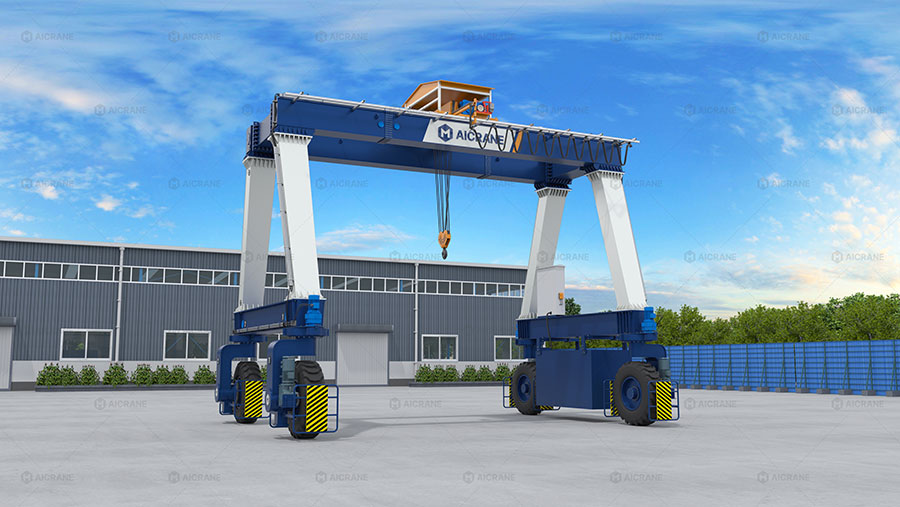
Mobility Without Fixed Rails
One of the most important features that enables flexible lifting operations is the trackless mobility of rubber tyred gantry cranes. Traditional rail mounted gantry cranes are restricted to predetermined tracks, which limits operational flexibility and requires costly infrastructure installation.
RTG cranes, by contrast, operate on multiple rubber tires mounted on a gantry frame. These tires allow the crane to move freely across paved surfaces within container yards or industrial facilities. As a result, operators can easily reposition the crane to serve different container blocks or lifting zones.
This mobility provides several operational advantages:
- Flexible yard layout adjustments
- Reduced infrastructure investment
- Easy relocation between container stacks
- Improved utilization of lifting equipment
For terminals with fluctuating cargo volumes, this design ensures that cranes can quickly adapt to operational needs without structural modifications.
Multi-Directional Steering Systems
Another key design feature that enhances RTG crane flexibility is the advanced steering system. Modern rubber tyred gantry cranes are equipped with sophisticated steering modes that allow operators to maneuver the crane efficiently in confined spaces.
Common steering modes include:
Straight Travel Mode
In this mode, all wheels move in the same direction, allowing the crane to travel forward or backward along container rows.
Crab Steering Mode
Crab steering enables the crane to move diagonally across the yard. This allows operators to reposition the crane quickly between adjacent container blocks.
Pivot Steering Mode
Pivot steering allows the movable gantry crane to rotate around a central point, making it easier to turn within limited space.
These steering capabilities significantly improve operational flexibility, especially in busy container terminals where efficient movement between container stacks is critical.
Adjustable Container Handling Capabilities
Rubber tyred gantry cranes are designed to handle containers stacked in multiple rows and tiers. Their structural design allows them to span several container lanes, making them highly efficient for container storage operations.
Typical RTG crane designs allow operators to handle:
- 5 to 8 container rows
- 1 truck lane
- Container stacks up to 6 tiers high
This large coverage area allows a single crane to manage a substantial portion of the yard, reducing the need for additional lifting equipment. As a result, operators gain greater flexibility in organizing container storage and retrieval operations.
Additionally, RTG cranes can be equipped with different spreader types, such as telescopic spreaders or twin-lift spreaders, allowing them to handle containers of various sizes, including 20-foot, 40-foot, and 45-foot containers.
Independent Power Supply Options
Another important aspect of RTG crane design that supports flexible operations is the availability of multiple power supply configurations.
Modern RTG cranes may use several power systems, including:
- Diesel generator sets
- Cable reel power supply systems
- Busbar electrification systems
- Hybrid power systems
- Battery-powered electric systems
Each power configuration offers different advantages depending on the terminal’s operational requirements. For example, diesel-powered RTGs offer maximum mobility because they are not connected to external power infrastructure. Electrified RTGs, on the other hand, reduce fuel consumption and emissions while still maintaining operational flexibility.
Hybrid RTG cranes combine diesel engines with energy storage systems, allowing operators to reduce fuel usage and improve environmental performance without sacrificing mobility.
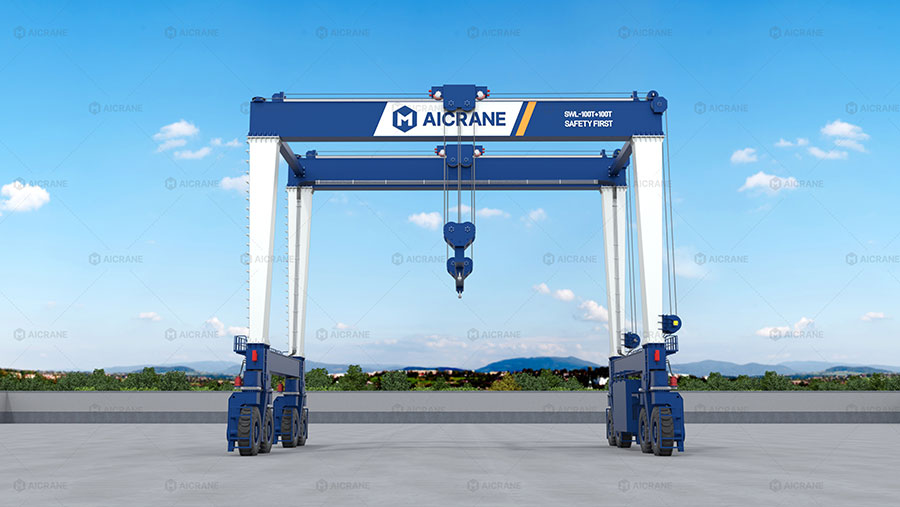
Advanced Automation and Control Systems
Modern RTG crane designs increasingly incorporate automation technologies that enhance operational flexibility and efficiency. Advanced control systems allow operators to perform precise lifting and positioning tasks with greater accuracy.
Key technologies include:
- Automated container positioning
- Anti-sway control systems
- Laser positioning systems
- Remote operation capabilities
- Yard management system integration
These technologies allow RTG cranes to operate more efficiently in high-density container yards. Automated positioning reduces the time required to align containers, while anti-sway systems improve safety and lifting precision.
Remote operation capabilities also allow gantry crane operators to control equipment from centralized control rooms, improving both safety and productivity.
Structural Design for Operational Stability
Despite their mobility, RTG cranes must maintain excellent structural stability when lifting heavy loads. The gantry frame is engineered to distribute loads evenly across multiple wheel sets, ensuring safe operation even when lifting fully loaded containers.
Important structural design features include:
- High-strength steel gantry structures
- Reinforced box girders
- Multi-wheel load distribution systems
- Advanced anti-tilt protection systems
These structural elements ensure that the crane remains stable during lifting, traveling, and container stacking operations.
The multi-wheel configuration also reduces ground pressure, allowing RTG cranes to operate on standard container yard pavements without requiring specialized foundations.
Adaptability to Different Terminal Layouts
One of the greatest advantages of rubber tyred gantry crane design is its adaptability to different operational environments. Unlike rail-mounted systems, RTG cranes do not require fixed rail tracks or permanent foundations.
This flexibility allows port operators to redesign yard layouts as operational needs change. For example, container blocks can be expanded, reconfigured, or relocated without modifying crane infrastructure.
RTG cranes are therefore ideal for:
- Container terminals
- Intermodal rail yards
- Logistics distribution centers
- Industrial storage facilities
- Precast concrete yards
Because they can easily move between operating zones, RTG cranes allow operators to maximize the efficiency of available yard space.
Energy Efficiency and Environmental Benefits
Modern RTG crane designs increasingly focus on energy efficiency and sustainability. Many manufacturers now offer electrified or hybrid RTG systems that significantly reduce fuel consumption and emissions.
Energy-saving technologies include:
- Regenerative braking systems
- Energy storage units
- Variable frequency drives
- Intelligent power management systems
These features allow RTG cranes to operate more efficiently while reducing environmental impact. For ports and industrial facilities seeking to reduce carbon emissions, electrified RTG cranes represent an important step toward sustainable operations.
Improved Operational Efficiency
The combination of mobility, advanced steering systems, automated controls, and flexible power supply options makes rubber tyred gantry cranes one of the most efficient container handling solutions available.
Their design allows operators to:
- Reduce container handling time
- Increase yard storage density
- Improve container stacking efficiency
- Adapt quickly to changing cargo volumes
Because RTG cranes can move freely within the yard, they allow operators to dynamically allocate lifting equipment where it is needed most. This flexibility helps improve overall terminal productivity and reduce equipment idle time.
Conclusion
Rubber Tyred Gantry crane design plays a crucial role in enabling flexible lifting operations across modern ports and industrial facilities. By combining trackless mobility, advanced steering systems, adaptable container handling capabilities, flexible power supply options, and intelligent automation technologies, RTG cranes provide an efficient and versatile material handling solution.
Their ability to move freely across container yards allows operators to optimize yard layouts, respond quickly to changing operational demands, and maximize equipment utilization. As logistics operations continue to grow in scale and complexity, the flexible design of rubber tyred gantry cranes will remain essential for maintaining efficient and competitive material handling systems.