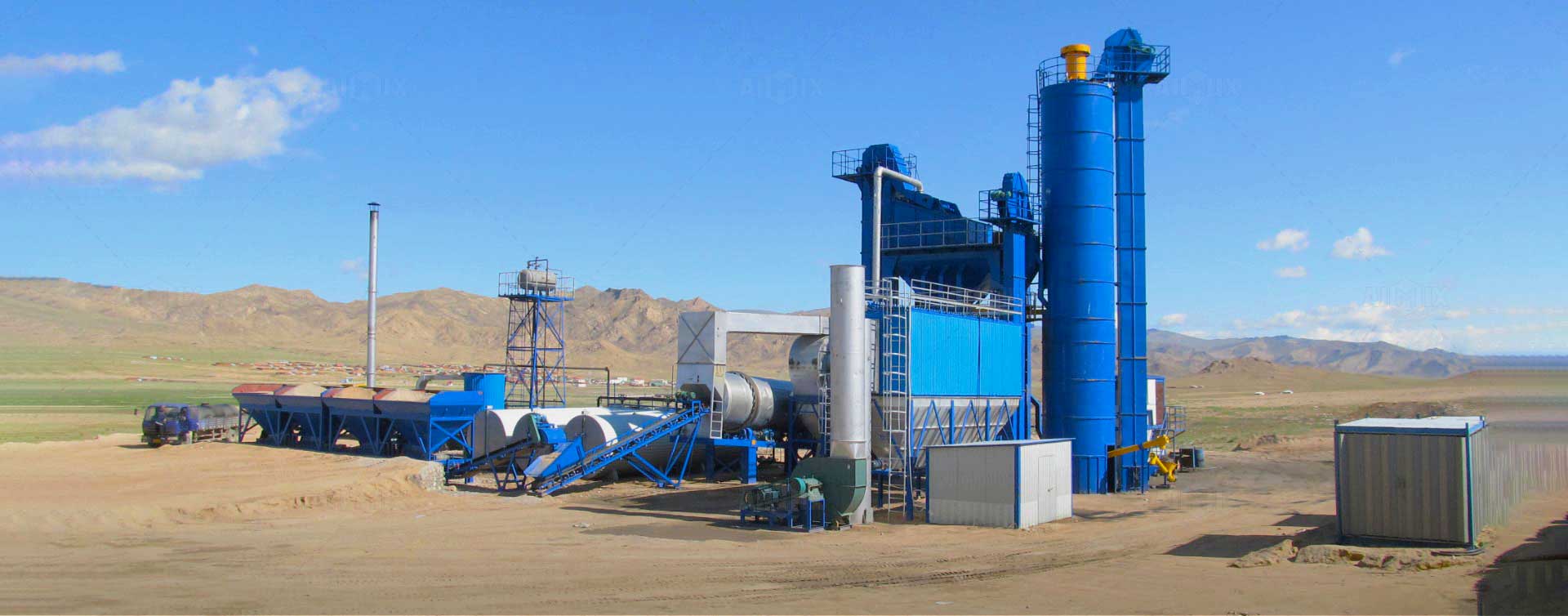
For small contractors in road construction and infrastructure projects, managing costs while maintaining quality is always a top concern. One question that frequently arises is whether owning a mini asphalt mixing plant can actually bring more benefits than outsourcing asphalt supply. This article examines the profitability, operational advantages, and practical considerations of mini asphalt mixing plants for small contractors, providing a realistic guide to help make informed decisions.
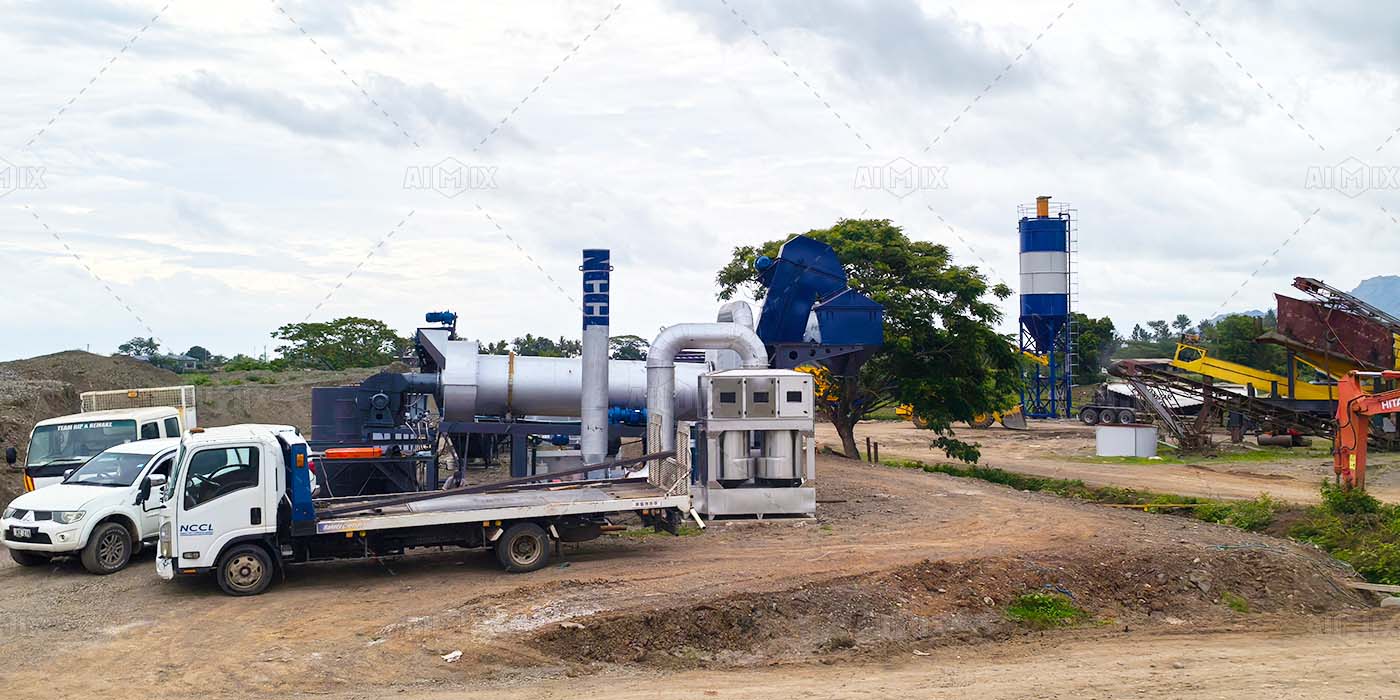
Understanding Mini Asphalt Mixing Plants
Mini asphalt mixing plants are compact, mobile, and designed to produce small to medium volumes of hot mix asphalt. Typically, these plants have a production capacity ranging from 20 to 60 tons per hour, making them suitable for small to mid-sized projects. Unlike large stationary plants, mini asphalt plants can be transported easily, set up quickly, and often require fewer workers to operate. If you’re considering a small-scale solution, check out our mini asphalt mixing plant for your project needs.
To evaluate whether they are profitable, small contractors need to understand not only the technical specifications but also how these plants integrate into their daily operations and project workflows. A deeper look into capacity, mobility, and cost structures provides valuable insight.
Production Capacity and Project Scale
Small contractors often handle road maintenance, patchwork, parking lots, and rural road projects. For these applications, high-volume asphalt production is unnecessary. A mini asphalt plant producing 20–40 tons per hour can typically cover multiple small projects in a week, reducing reliance on external suppliers. Additionally, having control over production schedules ensures that contractors can deliver work on time and avoid delays caused by supplier constraints.
When comparing project scale to plant capacity, it’s essential to calculate the daily asphalt demand. For example, a 500-meter road section with a 5-cm asphalt layer requires approximately 250 tons of asphalt. A mini plant producing 30 tons per hour can finish this within a single workday, enabling contractors to complete multiple sections efficiently. If you’re interested in more options, you can explore our small asphalt plant for portable solutions.
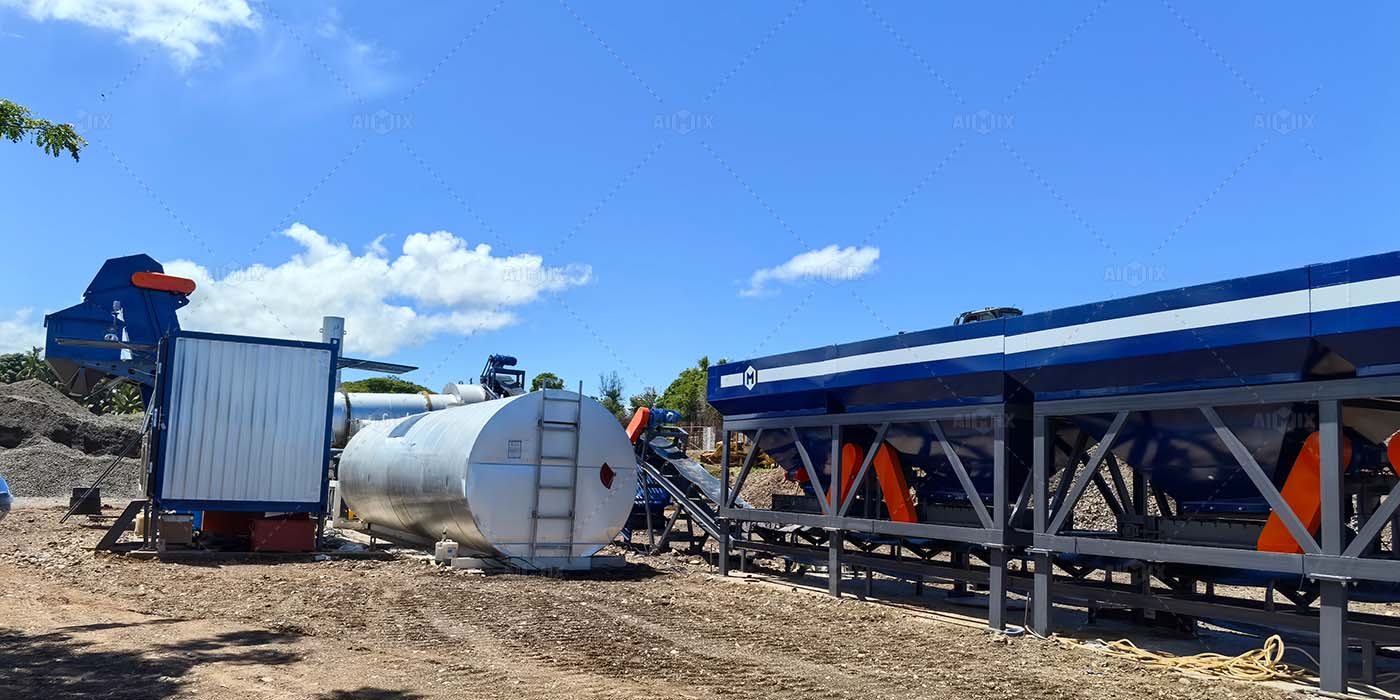
Cost Considerations: Purchase vs Outsourcing
Profitability largely depends on comparing the cost of owning a mini asphalt plant to purchasing asphalt from suppliers. Several cost factors come into play:
Initial Investment and Depreciation
Buying a mini asphalt plant requires upfront capital, typically ranging from $50,000 to $120,000 depending on capacity, brand, and additional features. While this may seem significant, spreading this cost over multiple projects and years often results in a lower per-ton production cost compared to continuous outsourcing. Depreciation should also be considered, as a well-maintained mini plant can operate for over 10 years, effectively reducing the annual cost burden. If you’re looking for a highly efficient plant, explore our mini hot mix plant for enhanced performance.
Operational Costs
Operating a mini asphalt plant involves fuel, electricity, maintenance, and labor. On average, operational costs range from $8 to $15 per ton, depending on efficiency, project location, and local labor rates. Contractors can optimize costs by scheduling production for multiple nearby projects, using local materials, and maintaining equipment regularly. Compared to outsourcing asphalt, which may include transport fees and price fluctuations, owning a plant provides predictable cost control.
Flexibility and Price Control
Outsourcing asphalt supply exposes contractors to market price fluctuations and supplier availability. A sudden increase in asphalt prices or delayed delivery can significantly impact project timelines and profit margins. Owning a mini asphalt plant allows contractors to produce asphalt when needed, adjust mix designs according to project requirements, and negotiate raw material prices directly, offering greater financial control.
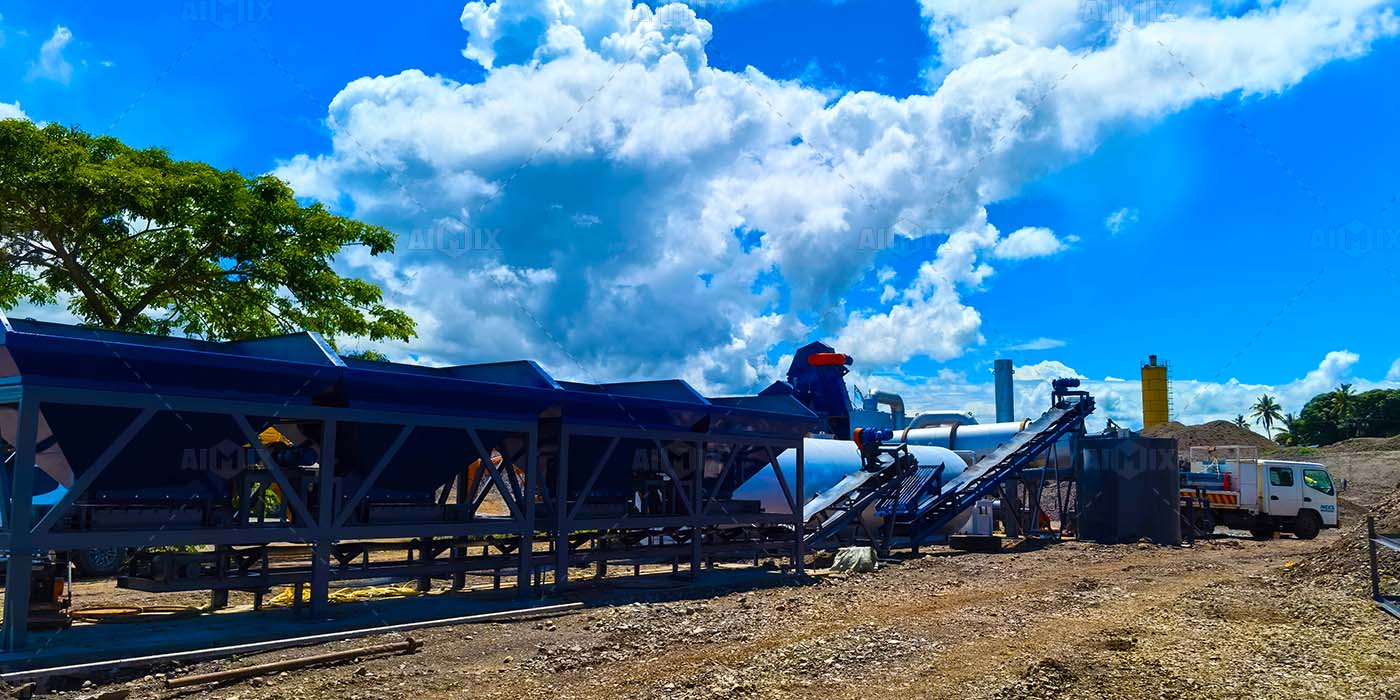
Operational Advantages of Mini Asphalt Plants
Beyond cost, mini asphalt plants offer operational flexibility that is particularly attractive to small contractors. These benefits directly influence project efficiency, client satisfaction, and overall profitability.
Mobility and Quick Setup
Mini asphalt plants are often modular and can be transported to project sites using standard trucks. Setup usually takes less than a day, allowing contractors to begin production quickly. This mobility reduces the need to transport asphalt over long distances, which saves fuel and minimizes quality loss due to temperature drop during transport.
On-Demand Production
Contractors can produce asphalt on-demand, matching production with daily project needs. This minimizes storage requirements and prevents waste. In addition, on-site production ensures the asphalt mix is fresh, leading to better compaction and longer-lasting roads. Projects in rural areas or places with limited supplier access benefit greatly from this flexibility.
Customization of Asphalt Mix
Having a mini plant allows contractors to customize asphalt mixes for specific projects. Adjusting aggregate sizes, bitumen content, or additives becomes straightforward, enabling small contractors to meet diverse project specifications. Customization improves project quality and enhances contractor reputation, which can lead to repeat business and higher profits.
Challenges and Considerations
While mini asphalt plants offer many advantages, contractors must also consider potential challenges to ensure profitability and operational efficiency.
Learning Curve and Workforce Training
Operating an AMP asphalt mixing plant requires skilled labor. Contractors must invest in training operators on plant control systems, mix quality control, and routine maintenance. The learning curve can initially slow production, but once the team gains experience, the process becomes more efficient.
Maintenance and Downtime
Regular maintenance is essential to prevent breakdowns. Even minor delays due to equipment failure can impact project timelines and profit margins. Contractors should establish preventive maintenance schedules and keep essential spare parts on-site to minimize downtime.
Regulatory Compliance
Contractors must comply with local environmental and safety regulations. Dust control, emissions, and noise levels may require additional equipment or adjustments. However, mini asphalt plants often produce lower emissions than large plants and can easily be fitted with dust collectors, making compliance manageable.
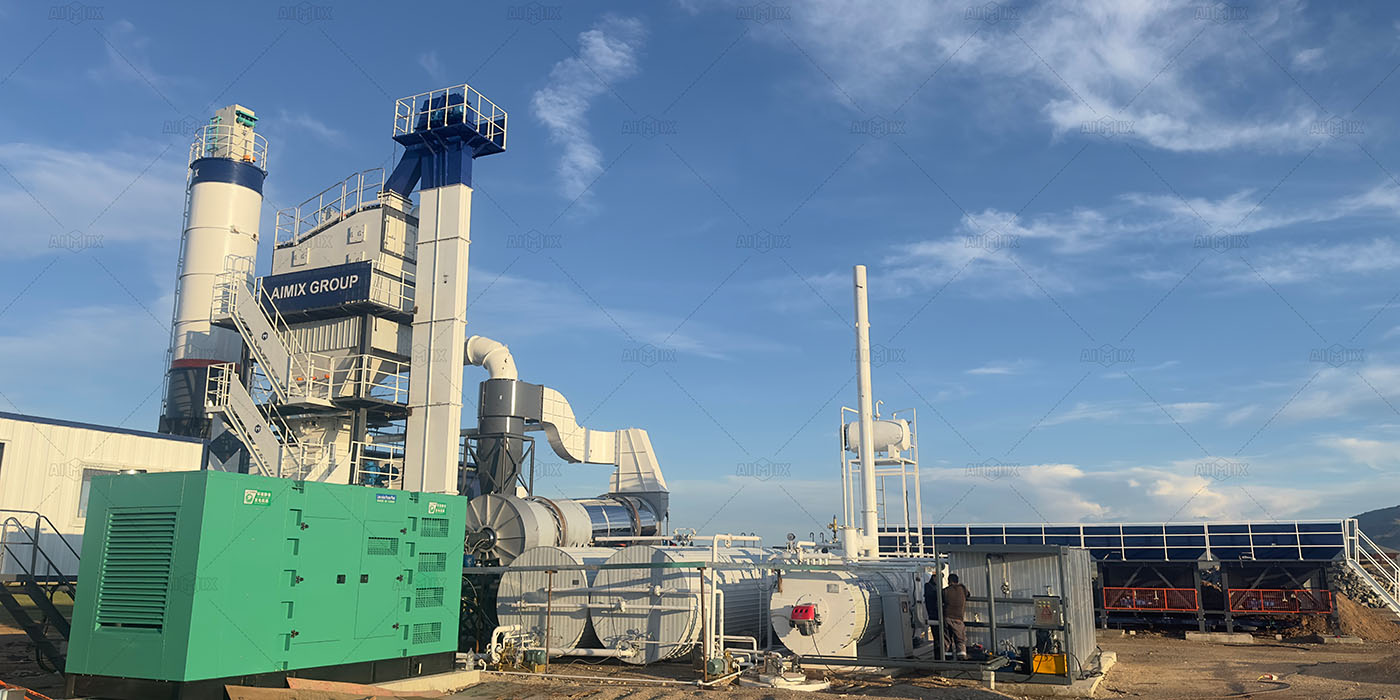
Case Examples of Profitability
Real-world examples demonstrate how mini asphalt plants can enhance profitability for small contractors:
Example 1: Rural Road Maintenance in Indonesia
A small contractor in Java handled multiple village road projects totaling 15 km over six months. By owning a 30 TPH mini hot mix plant, the contractor saved $12,000 in outsourcing fees, reduced asphalt transport costs, and completed projects on time. The plant paid for itself within the first year, proving the investment was profitable.
Example 2: Urban Road Repair in Malaysia
In Kuala Lumpur, a contractor needed to perform frequent road patching with varying asphalt specifications. Using a 25 TPH mini plant allowed on-site production and mix customization. Project quality improved, client satisfaction increased, and operational costs decreased by 20% compared to purchasing asphalt from multiple suppliers.
Conclusion: Is Owning a Mini Asphalt Plant Worth It?
From the perspective of small contractors, owning a mini asphalt plant can be a highly profitable investment. The ability to control production schedules, reduce dependency on suppliers, and customize asphalt mixes provides significant operational advantages. While initial investment and operational learning curves exist, careful planning, preventive maintenance, and strategic use of the plant can result in substantial cost savings and increased project efficiency.
Contractors who frequently manage small to mid-sized projects or operate in regions with limited asphalt supply are most likely to benefit. The combination of reduced per-ton costs, on-demand production, and quality control often outweighs the initial purchase and operational challenges.