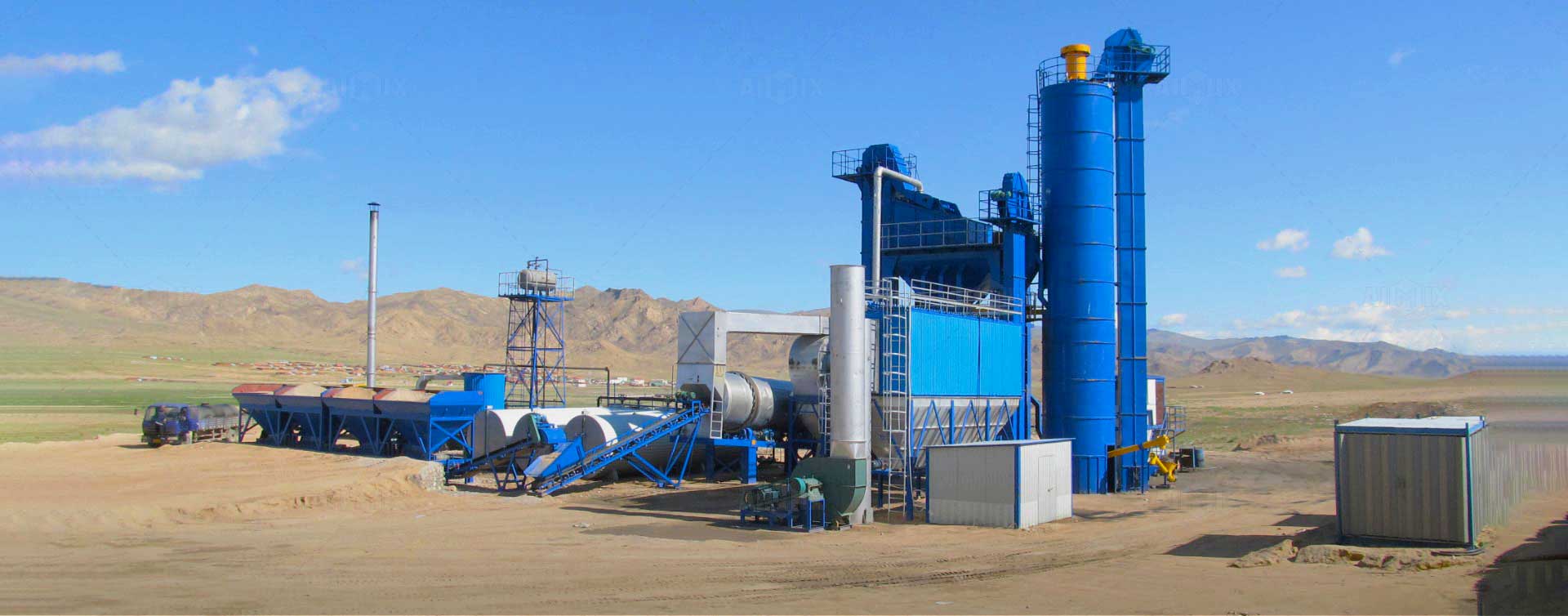
Before you buy asphalt plant equipment for critical highway construction, verifying quality-control certifications with your asphalt mixing plant supplier proves essential for long-term performance. Advanced weighing sensor integration within modern asphalt mixing plant configurations prevents gradation drift that generates premature cracking and government inspection failures. These technical capabilities transform procurement from capital expenditure to durability insurance.
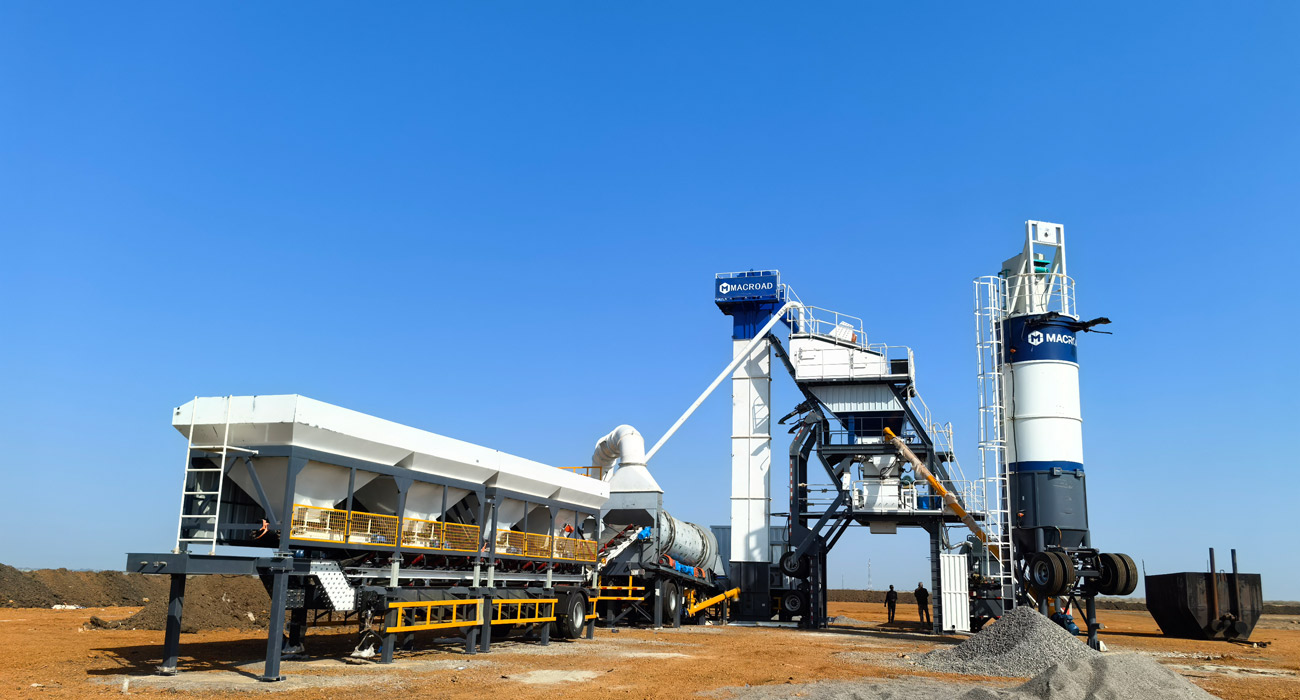
Certification Verification Validates Precision
ISO 9001 quality management certification provides baseline assurance that manufacturing processes maintain consistent output. However, highway construction demands additional scrutiny beyond generic quality frameworks. Specifically, CE marking with Module D production quality assurance indicates third-party oversight of welding procedures, material traceability, and dimensional tolerance verification that standard certifications cannot guarantee.
Load cell calibration certificates traceable to national standards demonstrate weighing accuracy commitment. When you buy asphalt plant, demand documentation showing 0.05% resolution sensors tested across full temperature and vibration ranges expected in field operation. Asphalt mixing plant suppliers providing witnessed factory acceptance testing with project-specific aggregate samples validate performance claims beyond theoretical specifications.
Environmental compliance certifications increasingly influence equipment viability. Euro V or EPA Tier 4 Final emission validations ensure operational continuity as regulations tighten, preventing the mid-cycle obsolescence that would destroy highway construction project economics. These certifications should specify test conditions matching actual deployment environments rather than laboratory baselines.
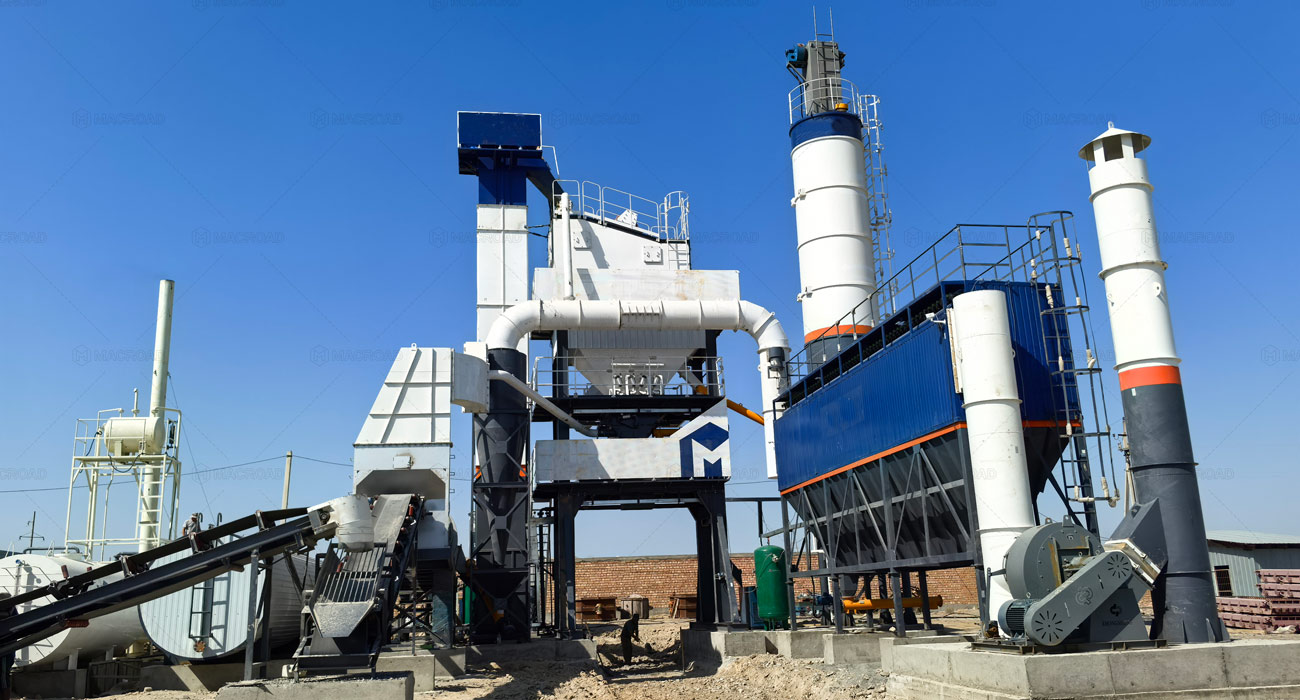
Weighing Sensor Integration Prevents Drift
Basic load cell configurations achieve 0.5% accuracy adequate for low-specification applications but insufficient for highway construction durability requirements. Advanced asphalt mixing plant designs utilize 0.05% resolution sensors with digital temperature compensation and electromagnetic interference shielding, maintaining ±0.2% proportioning accuracy across variable ambient conditions.
Moisture compensation algorithms distinguish sophisticated systems from rudimentary alternatives. Infrared aggregate surface moisture detection enables real-time weight adjustment accounting for unmeasured water content. Without this capability, effective binder percentage dilutes by 0.3-0.8% during high-humidity conditions, generating void content deficiencies that accelerate rutting under traffic loading.
Redundant sensor architectures protect against single-point failure. Dual-load-cell configurations on critical aggregate and binder weigh hoppers enable continued operation during primary sensor degradation, with automatic switching preventing batching interruption. Asphalt mixing plant suppliers offering this resilience demonstrate engineering sophistication that basic alternatives cannot match.
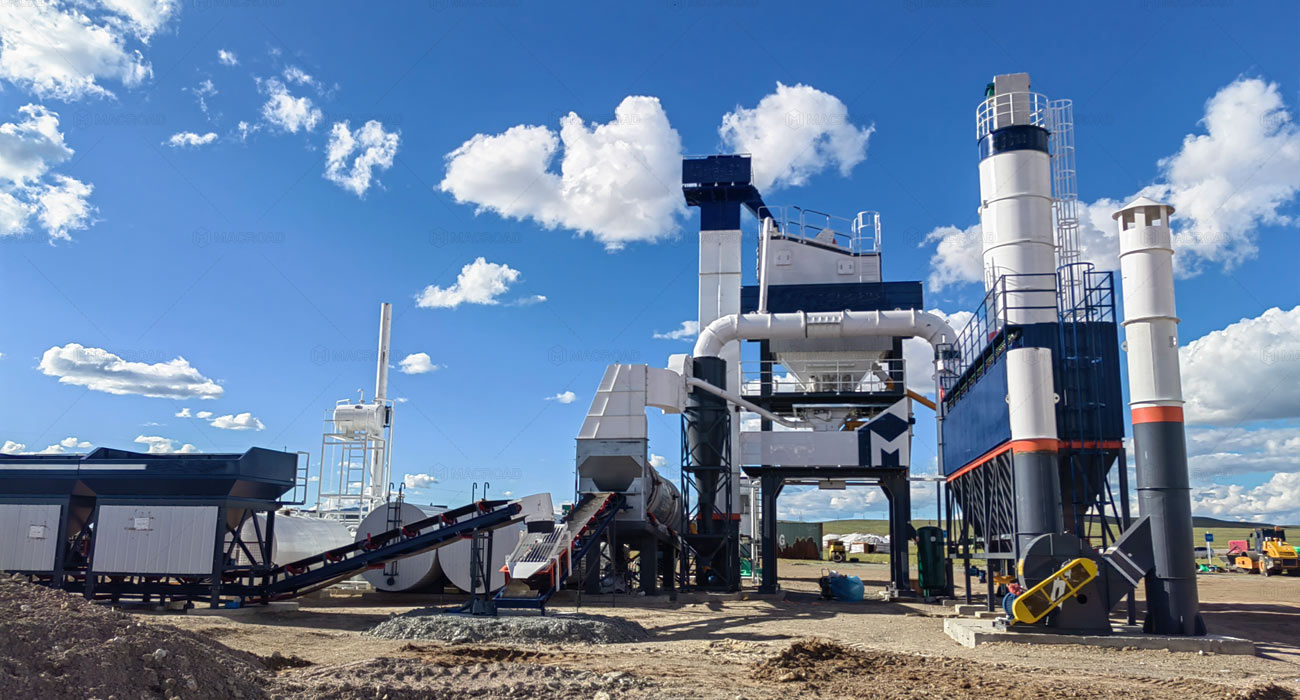
Gradation Drift Elimination
Vibrating screen wear represents primary gradation degradation mechanism. Standard 400 BHN screen media experience aperture enlargement within 1,000 operating hours in high-silica environments, permitting oversize aggregate passage into hot bins. When you buy asphalt plant configurations with 600 BHN chromium carbide or polyurethane modular screens, separation precision persists across 3,000-4,000 hour intervals.
Automated screen tensioning maintains open area percentage without manual intervention. Pneumatic or hydraulic adjustment systems compensating for wire elongation preserve 75-80% effective screening area, versus 45-55% for fixed-frame designs experiencing progressive blinding. This automation eliminates the bypass operation that would eliminate gradation control entirely.
Hot bin isolation prevents inter-bin contamination. Pneumatically actuated discharge gates with rubber seals and level sensors maintaining 60-80% inventory buffer ensure that carefully proportioned fractions remain distinct until pugmill introduction. Specifically, this isolation eliminates the gradation drift that causes density variations visible in nuclear gauge testing.
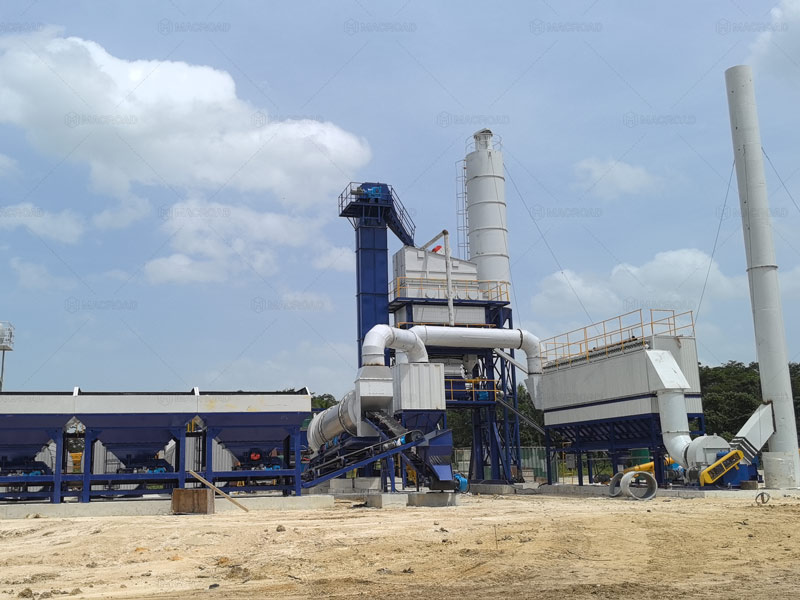
Highway Construction Durability Validation
Government inspection protocols increasingly demand documentation granularity that manual systems cannot provide. Automated batch records with time-stamped weighing data, moisture measurements, and discharge temperatures generate audit trails defending quality claims. When you buy asphalt plant equipment with integrated data logging, specification compliance becomes demonstrable rather than disputable.
Core sampling failure costs escalate rapidly in highway construction. Single rejected truckload triggers chain-reaction delays, remedial milling, and replacement obligations exceeding $15,000-25,000 per incident. Advanced weighing precision eliminating rejection events generates savings that recover equipment premiums within 12-18 months of high-volume operation.
Long-term pavement performance correlates directly with construction precision. Gradation consistency and binder proportioning accuracy determine resistance to fatigue cracking, moisture damage, and thermal cycling stress. Asphalt mixing plant achieving specification compliance through sensor integration deliver 20-25 year service life versus 12-15 years for marginally compliant alternatives.
Conclusion
Decisions to buy asphalt plant equipment for highway construction demand certification scrutiny and sensor capability verification extending far beyond initial pricing. Asphalt mixing plant suppliers demonstrating quality management rigor, advanced weighing integration, and gradation control precision generate superior returns through durability assurance and inspection compliance. Consequently, technical sophistication in these domains transforms equipment procurement from cost minimization to long-term value preservation that government specifications and traffic loading require.