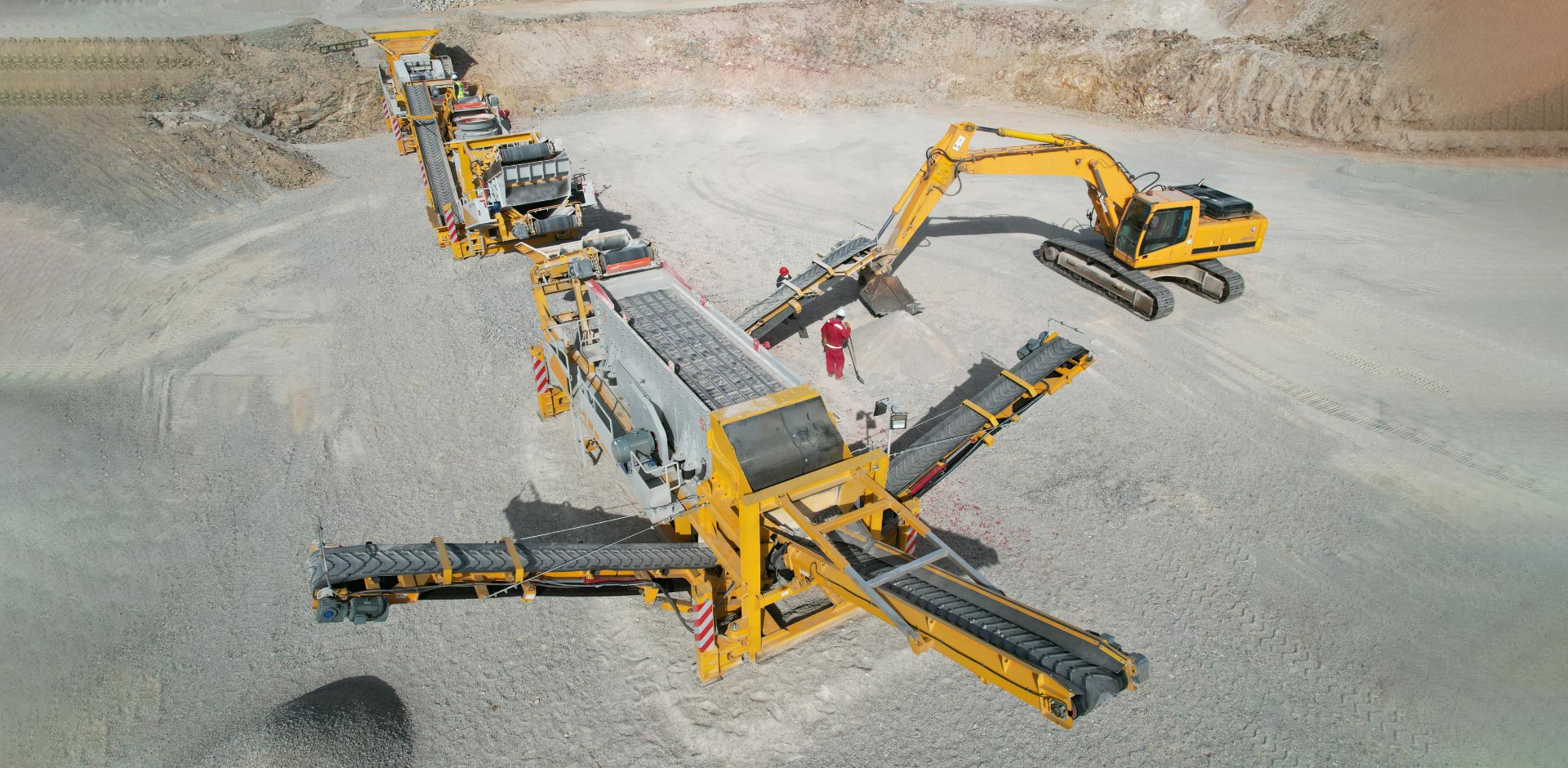
In the capital-intensive world of aggregate production and construction demolition, the initial purchase price of a concrete crushing machine often acts as a dazzling lure. It is the number that dominates procurement meetings, the figure that is relentlessly negotiated, and the metric that often seals a deal. Yet, this myopic focus on the upfront sticker price is a profound financial fallacy. The true measure of a crushing operation’s success lies not in what you pay for the equipment, but in the operational efficiency it delivers over its lifespan—a metric best encapsulated by the ‘cost per ton’. This article seeks to recalibrate the decision-making compass, steering it away from the seductive simplicity of low capital expenditure towards the sophisticated, and ultimately more profitable, paradigm of total cost of ownership.
The Fallacy of the Sticker Price
Focusing exclusively on the concrete crusher machine price is akin to buying a vehicle based solely on its showroom cost, ignoring fuel consumption, maintenance schedules, and insurance premiums. The initial outlay is merely the entrance fee to a long-term financial commitment.
Beware the Chimeric Savings of a Lower Price
A machine with a seemingly unbeatable price tag often conceals a litany of future liabilities. The cost of production is a function of throughput, fuel economy, and the frequency of maintenance interventions. A cheaper machine is frequently engineered with substandard metallurgy, utilizing inferior alloys for its blow bars and jaw plates. This compromises wear life, demanding more frequent part replacements. Furthermore, a less sophisticated drive system guzzles diesel, while a poorly designed crushing chamber is inefficient, wasting energy and producing a subpar product. The initial savings from a lower price are quickly eroded by a relentless increase in the cost per ton, a silent hemorrhage of capital that can render a project financially unviable.
The Often-Overlooked Cost of Downtime
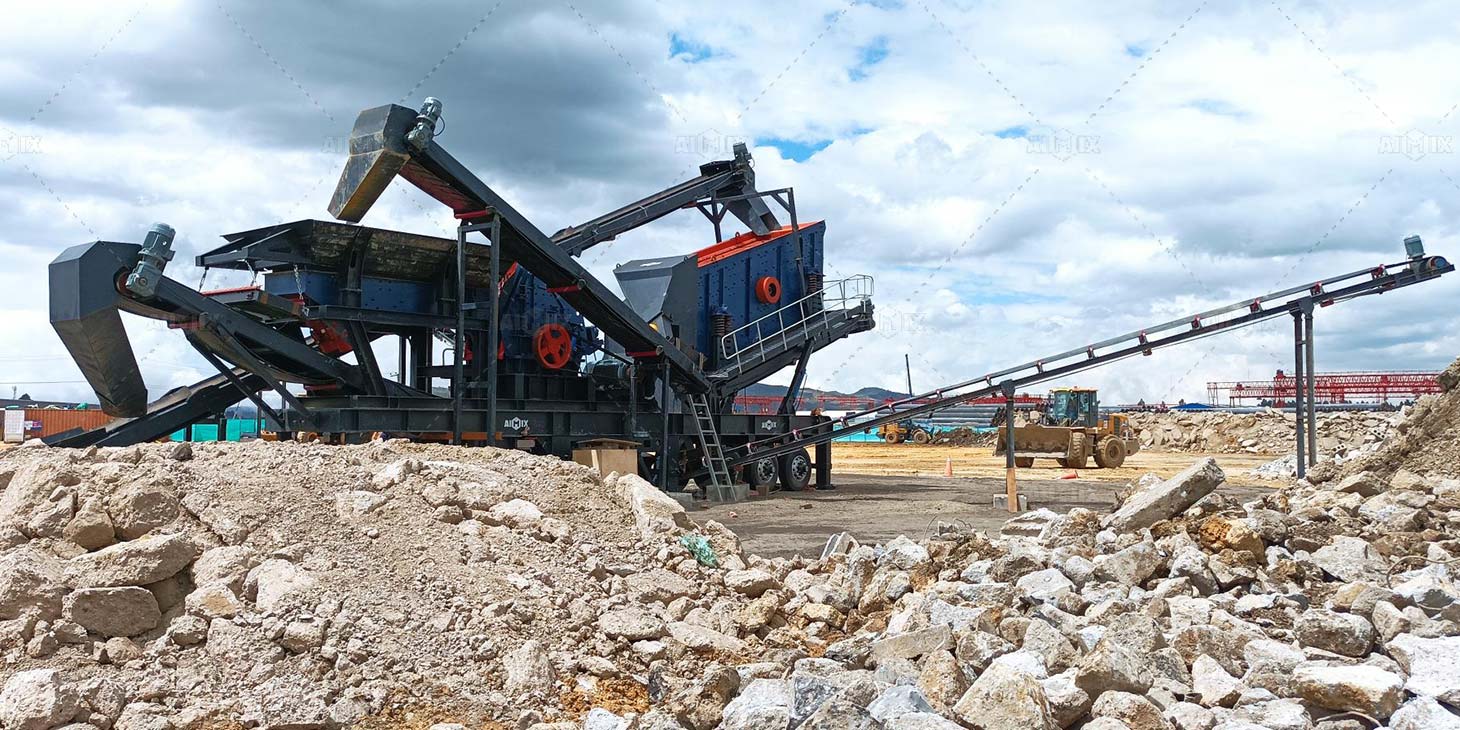
Perhaps the most insidious cost associated with a cheap machine is downtime. When a crusher is down for repairs, the entire production chain grinds to a halt. Quarry faces are left untouched, haul trucks sit idle, and labor is rendered unproductive. The value of this lost production is immense. If a machine frequently requires unscheduled maintenance, the cost per ton escalates dramatically—not just due to the repair bills, but due to the lost revenue opportunity. A more expensive, robust machine that operates with 95% availability will deliver a significantly lower cost per ton than a machine with a 70% availability rate, regardless of its purchase price.
Deciphering the True Economics of Crushing
To truly understand the economics, one must perform a granular analysis of the operational variables. The cost per ton is not a static figure; it is a dynamic metric that fluctuates with material hardness, feed size, operator skill, and maintenance practices. A professional approach to procurement demands a deep dive into these factors.
Fuel Consumption and Energy Efficiency
Fuel is the lifeblood of a crushing plant, representing one of the largest ongoing expenses. A machine’s engine and hydraulic system must be evaluated not just for power, but for efficiency. Manufacturers who prioritize engineering excellence invest heavily in optimizing hydraulic flow and reducing parasitic losses. This results in a machine that can produce the same output while consuming significantly less fuel. Over the course of a year, the difference in fuel cost between an efficient, high-quality machine and a cheaper, inefficient model can be staggering, representing a sum that dwarfs the initial crusher plant price disparity.
Wear Part Longevity and Product Quality
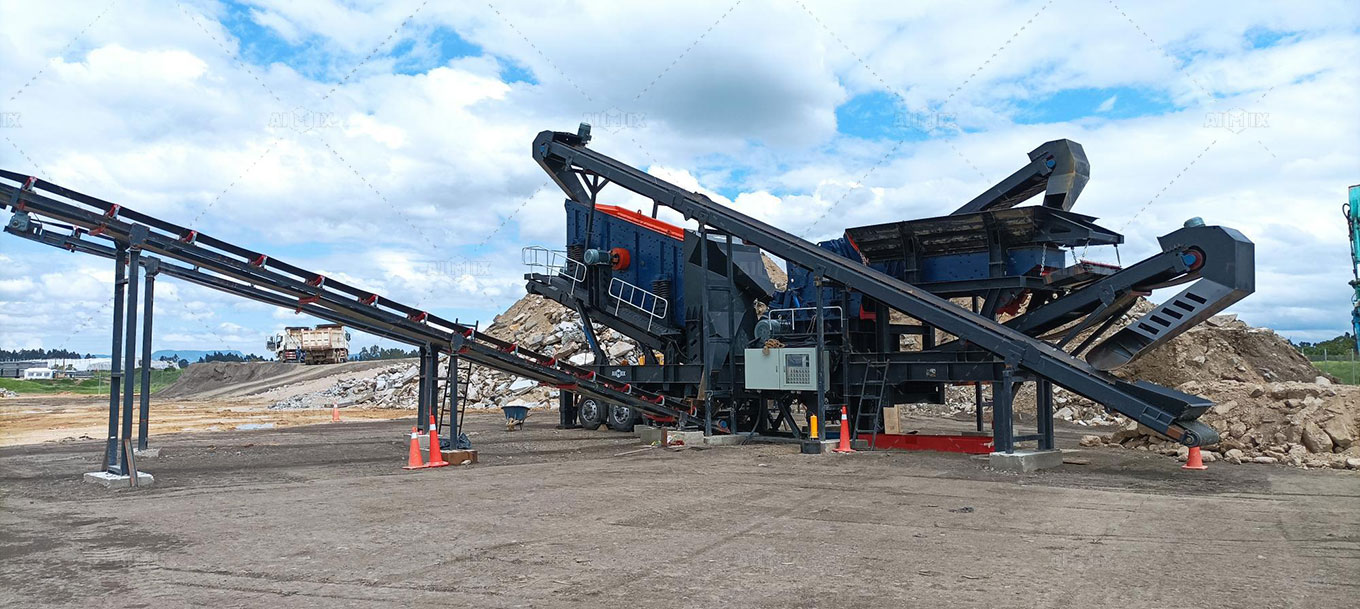
The speed at which a machine consumes its wear parts is the primary driver of its operational cost. This is where the ‘rubber meets the road’ in the decision-making process. Professional crusher manufacturers utilize advanced metallurgy to create parts with exceptional hardness and fracture toughness, extending their service life. Furthermore, the design of the crushing chamber itself plays a pivotal role. A well-designed chamber produces a more consistent, cubical product—a quality that is increasingly demanded by modern concrete specifications. A cheaper machine may produce a ‘fractured’ or flaky product that is rejected, leading to wastage. The cost per ton must account for the value of the output, not just the quantity.
Making the Informed, Value-Based Decision
Adopting a ‘cost per ton’ philosophy requires a shift in mindset from a transactional buyer to a strategic investor. It necessitates asking difficult questions about operational costs and performance guarantees. This approach ensures that the selection process is not clouded by the allure of short-term savings but is focused on long-term profitability.
Comparing Apples to Apples: The Lifecycle Assessment
When evaluating proposals, request that manufacturers provide a detailed estimation of the cost per ton. This should include data on projected fuel consumption, anticipated wear part life for your specific material, and recommended maintenance schedules. Reputable mobile impact crusher manufacturers will have this data from their pilot plants and extensive field testing. A standard supplier often cannot offer such detailed projections. This exercise quickly separates the professional from the amateur. It provides a direct comparison, allowing you to evaluate whether the ‘premium’ machine actually offers a lower cost per ton when all variables are considered, which it almost inevitably does.
Maximizing Long-Term ROI and Project Viability
Ultimately, the goal is to maximize the return on investment (ROI) over the lifecycle of the machine. This is achieved by prioritizing reliability, efficiency, and output quality. A machine that delivers a lower cost per ton provides a significant competitive advantage, allowing the operator to bid aggressively for contracts while still maintaining healthy margins. In an industry where margins are perpetually squeezed, the ability to produce a ton of aggregate at the lowest possible cost is the paramount differentiator between success and failure. It is this operational mastery, achieved by looking beyond the price tag, that ensures the sustainability and profitability of the enterprise.