The mini mixer pump occupies a specific niche in the concrete equipment market. It is smaller than a standard self-loading mixer. It is more capable than a portable drum mixer. This ambiguity often confuses pricing. Suppliers know that buyers are unsure what a fair concrete mixer with pump price looks like. They exploit this uncertainty. The result is overspending. Contractors pay premiums for features they do not need. They accept inflated quotes for standard configurations. This article provides a systematic approach to price negotiation. It focuses on verifiable data, cost breakdowns, and specific tactics for dealing with suppliers in Asia, Europe, and local markets. The objective is to ensure that you pay the market rate—not a markup based on your inexperience. We will cover component costing, shipping logistics, and supplier comparison methodologies. Follow these steps, and you will avoid the common traps that inflate mini mixer pump prices.
Deconstructing the Mini Mixer Pump Price
Component Costs: Engine, Hydraulics, and Frame
Every mini mixer pump consists of three major cost centers. The engine accounts for twenty-five to thirty-five percent of the total manufacturing cost. A premium engine (Kubota, Perkins, Deutz) costs significantly more than a domestic Chinese engine (Changchai, Yuchai). The hydraulic system, including the pump, motor, and valves, accounts for twenty to thirty percent. Brands like Eaton, Rexroth, or Sunfab command higher prices than generic alternatives. The structural frame, mixing drum, and pumping mechanism account for another twenty-five percent. The remaining percentage covers assembly, wiring, and quality control. When a supplier quotes a price, ask for the brand of engine and hydraulic components. A machine with a Changchai engine and generic hydraulics should cost twenty to thirty percent less than one with a Kubota engine and Rexroth hydraulics. If the price difference is smaller, you are overpaying for the lower-spec machine.
Assembly Location and Labor Cost Impact
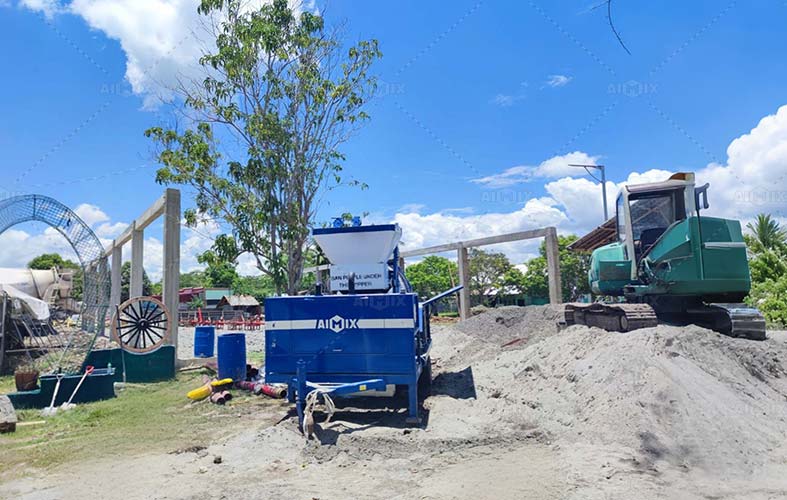
The physical location of final assembly affects pricing. Mini mixer pumps assembled in China have lower labor costs than those assembled in Turkey or India. Chinese labor rates range from $3 to $6 per hour for skilled assembly. Turkish rates are $8 to $12. Indian rates are comparable to China. European assembly adds $30 to $50 per hour. This difference manifests in the final price. A Chinese-assembled mini concrete pump for sale with a Kubota engine may cost $8,000 to $12,000. A Turkish-assembled unit with the same engine may cost $12,000 to $16,000. A European-assembled unit starts at $18,000. The performance difference does not justify this spread for most applications. The prudent buyer sources from China or India, but selects a manufacturer with rigorous quality control. AIMIX, for example, assembles in China but uses Japanese or European hydraulics on their premium mini pump lines. This combination reduces labor cost without sacrificing component quality.
Shipping, Insurance, and Landing Charges
The factory price is not the delivered price. Shipping a mini mixer pump from Shanghai to Mombasa, Lagos, or Santos costs $1,500 to $3,500 depending on volume and routing. Insurance adds one to two percent of the machine value. Port handling, customs clearance, and inland transport add further costs. A machine quoted at $9,000 Ex-Works may land at $12,500. The mistake buyers make is comparing Ex-Works prices from one supplier with CIF (Cost, Insurance, Freight) prices from another. Standardize the comparison. Request all quotes on a Delivered Duty Paid (DDP) basis to your site. This forces the supplier to account for all logistics. If a supplier cannot provide a DDP quote, they lack experience in your market. Find another supplier. AIMIX and other established exporters offer DDP to many countries. Paying a slight premium for DDP eliminates the risk of unexpected port fees.
Supplier Selection and Negotiation Tactics
Identifying Value Suppliers in Asia
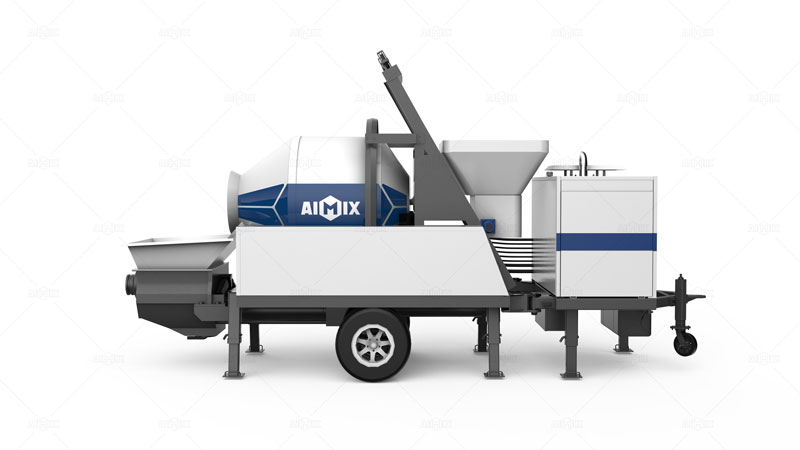
Asia, particularly China, offers the most competitive pricing for mini mixer pumps. The challenge is separating value suppliers from low-quality assemblers. Look for manufacturers that publish detailed specifications. They should specify the brand and model of the engine, the hydraulic pump brand, and the thickness of the drum steel. AIMIX provides this level of detail. Generic suppliers often list only “diesel engine” or “hydraulic system.” That is a red flag. Request a video of the machine operating. Request photos of the production line. Request the name of a previous buyer in your region. If the supplier cannot provide these, they are likely a trading company, not a manufacturer. Trading companies add fifteen to thirty percent to the factory price. You can find the same machine by searching on Alibaba or Made-in-China using image search. Do the work. The savings are substantial.
The Volume Discount Strategy
Mini mixer pump pricing is volume-sensitive. A single unit costs the supplier significant overhead per transaction. Five units reduce the per-unit overhead. Ten units achieve economy of scale. If you need one machine, find other contractors who also need one. Pool your orders. Approach the supplier as a group. You will negotiate a price closer to the five-unit level. Even if you cannot find other buyers, ask for the “two-unit price” and the “three-unit price.” The concrete mixer with pump supplier will often lower the single-unit price rather than lose the sale. The discount for two units is typically five to eight percent. For three units, eight to twelve percent. For five units, fifteen to twenty percent. These percentages apply to the factory price, not the delivered price. Calculate the saving. If the discount exceeds the cost of storing an extra machine, consider buying two. You can sell the second machine later, potentially recovering your cost.
Seasonal Pricing and Order Timing
Manufacturers adjust pricing based on order books. January and February are slow months after the Chinese New Year holiday. Factories have capacity. They accept lower margins. July and August are also slower in many markets due to monsoon seasons in Asia and summer holidays in Europe. Order during these periods. Avoid ordering in March and April, when factories rush to clear first-quarter backlogs. Avoid October through December, when manufacturers push year-end revenue targets and maintain prices. The price difference between a low-season order and a peak-season order can be ten to fifteen percent. This is free money. Adjust your procurement schedule to capture it.
Verification and Payment Safety
Third-Party Inspection and Escrow
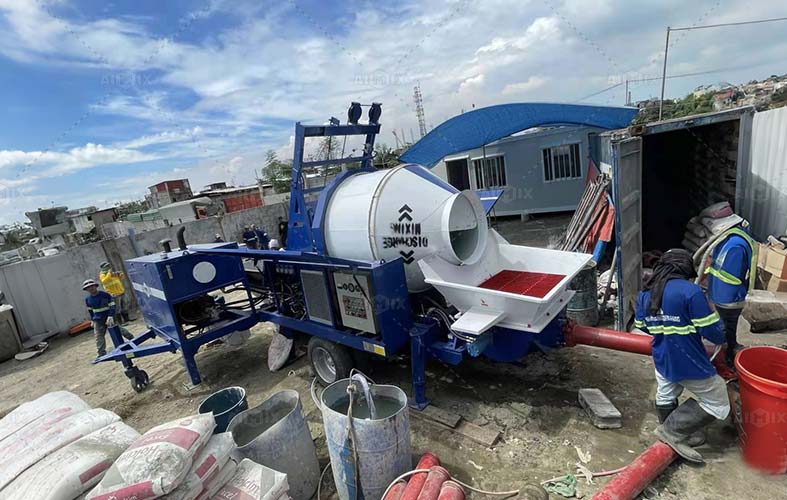
Never pay the full amount before shipment. A standard payment term for international equipment purchases is thirty percent deposit, seventy percent before shipment after inspection. The inspection is critical. Hire a third-party inspection company such as SGS or Bureau Veritas. They will visit the factory, verify the specifications, test the machine, and issue a report. The cost is typically $500 to $1,000. This is insurance. A small concrete pump machine that fails inspection saves you from accepting a non-compliant unit. Use an escrow service or a letter of credit for the balance payment. These instruments protect you if the machine does not arrive or does not meet specifications. Suppliers who refuse escrow or letters of credit are asking you to assume all risk. Do not accept this. Find a supplier who operates professionally. AIMIX and other established brands accept standard trade terms. If a smaller supplier hesitates, move on.
Warranty Terms and Spare Parts Commitment
The final price consideration is the warranty. A cheap machine with no warranty is not cheap when it fails. A fair price includes a minimum twelve-month warranty covering the engine, hydraulics, and major structural components. The warranty should be parts-only or parts-and-labor, depending on your local service capability. Also verify spare parts availability. The supplier should provide a list of critical spares—belts, filters, seals, and a set of pump wear rings. The cost of these spares should be quoted separately. A supplier who cannot provide a spares list or who quotes unrealistic delivery times (more than two weeks for air freight) is a supplier who will leave you stranded. Pay a slight premium for a supplier with a local parts warehouse. AIMIX maintains regional stock in Africa, the Middle East, and Southeast Asia. This support infrastructure justifies a higher upfront price. Calculate the cost of a two-week downtime event. Compare that to the price difference. The math will guide you.