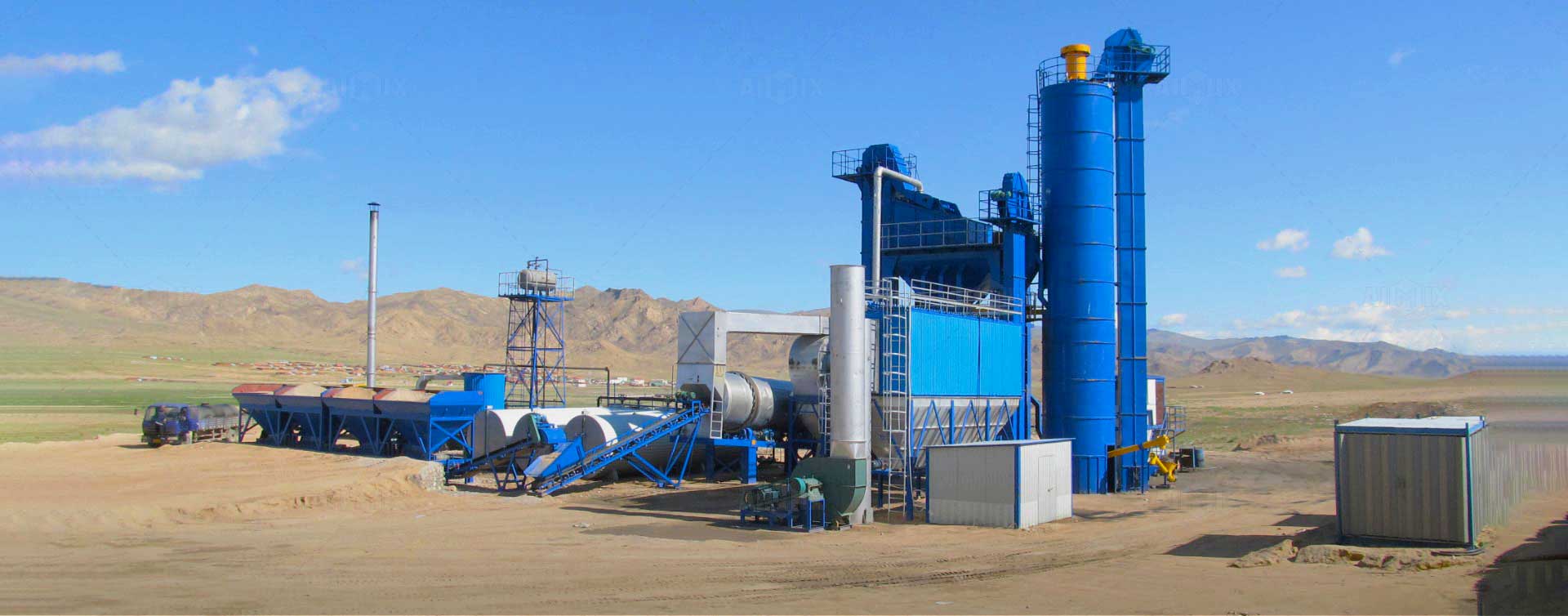
Across Latin America, road construction projects are expanding rapidly due to urban development, mining investment, tourism infrastructure, and government highway programs. From mountainous regions in Peru to remote mining roads in Chile and municipal paving projects in Mexico, contractors are facing increasing pressure to complete projects faster while controlling operational costs.
As a result, the mobile asphalt plant(planta de asfalto móvil) has become a preferred solution for many contractors seeking flexibility, lower transportation costs, and faster project deployment. However, choosing the right equipment is not simply about production capacity. Contractors in Latin America typically evaluate mobility, fuel efficiency, project scale, investment return, and after-sales support before making a purchase decision.
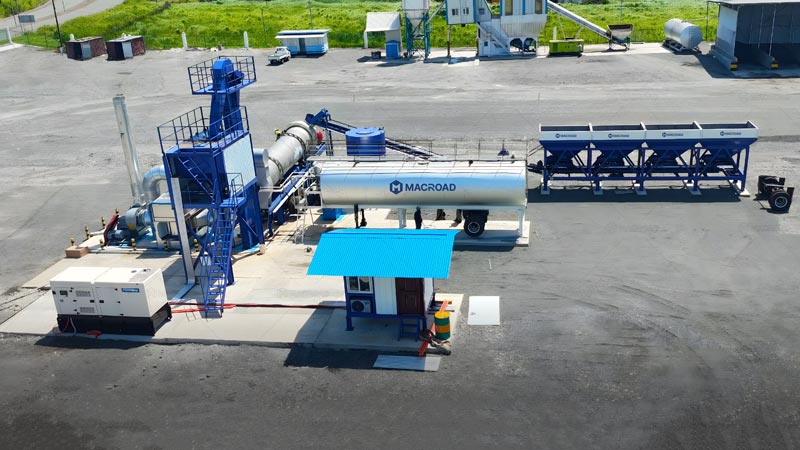
Why Mobile Asphalt Plants Are Gaining Popularity in Latin America
Traditional stationary asphalt plants remain suitable for long-term infrastructure projects, but many Latin American contractors now handle projects spread across multiple cities or remote areas. This has significantly increased the demand for mobile solutions.
Adaptability to Complex Project Locations
Many construction projects in Latin America are located in areas with difficult transportation conditions, including mountainous highways, rural roads, and mining zones. A mobile asphalt plant allows contractors to relocate equipment closer to job sites, reducing asphalt transportation distances and minimizing material temperature loss.
This flexibility is especially valuable in countries such as Colombia, Peru, and Ecuador, where road projects are often distributed across geographically challenging regions.
Lower Installation and Relocation Costs
Compared with stationary systems, mobile plants require less foundation work and shorter installation time. Contractors can reduce civil engineering expenses and quickly start production after transportation.
For contractors handling temporary municipal projects or short-term paving contracts, this mobility directly improves equipment utilization rates and investment efficiency.
The Key Factors Contractors Evaluate Before Purchase
When searching for an asphalt plant for sale(planta de asfalto en venta), Latin American buyers rarely focus on price alone. Instead, they analyze the total operational value of the equipment.
Production Capacity Matching Project Scale
One of the first considerations is production capacity. Contractors typically evaluate whether the equipment output matches their expected paving volume.
- Small municipal projects may only require 20–40 TPH.
- Medium highway projects often need 60–100 TPH.
- Large infrastructure contractors may require over 120 TPH.
Choosing oversized equipment can increase fuel consumption and operating costs, while undersized plants may delay project schedules.
Fuel Consumption and Operating Efficiency
Fuel expenses are a major concern for Latin American contractors due to fluctuating diesel prices in different countries. Buyers therefore prioritize plants with efficient burner systems, stable drying performance, and optimized thermal insulation.
In many cases, contractors prefer a drum mix asphalt plant because of its continuous production capability and relatively lower operating costs. Drum mix systems are widely used for road maintenance and medium-scale paving projects where production continuity is critical.
Transportation Convenience
Transport regulations differ significantly across Latin America. Some regions impose strict limits on trailer dimensions and axle loads.
Contractors therefore evaluate:
- Modular structure design
- Number of transport trailers required
- Installation complexity
- Relocation speed
- Compatibility with local transportation regulations
Equipment that can be moved quickly between projects provides a major competitive advantage.
The Growing Demand for Mini Asphalt Plants
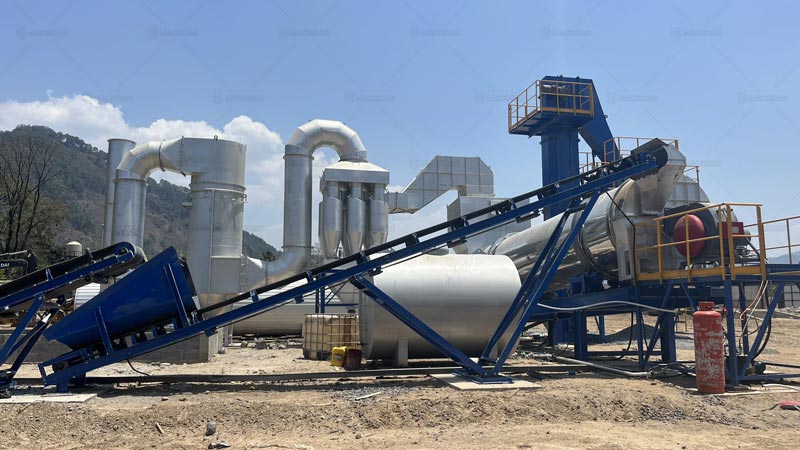
In recent years, the mini asphalt plant(mini planta de asfalto) segment has experienced strong growth in Latin America.
Suitable for Small Contractors and Municipal Projects
Smaller contractors often face limited budgets and lower production requirements. A compact asphalt plant provides an affordable entry point into asphalt production while maintaining operational flexibility.
Mini plants are particularly suitable for:
- Municipal road repair
- Rural road paving
- Small airport maintenance
- Community infrastructure projects
Lower Initial Investment Risk
For many local contractors entering the asphalt business for the first time, controlling investment risk is essential. A mini asphalt plant offers lower initial capital requirements and reduced operational complexity.
This allows companies to gradually expand their business while generating stable project income before upgrading to larger systems.
How Climate and Geography Influence Equipment Selection
Latin America’s diverse climate conditions also affect purchasing decisions.
High-Altitude Operations
Countries such as Peru and Bolivia contain high-altitude construction areas where thinner air can impact combustion efficiency. Contractors operating in these environments typically seek burner systems optimized for altitude performance.
Humid and Tropical Regions
In tropical countries such as Brazil and parts of Central America, high humidity increases aggregate moisture content. This requires efficient drying systems to maintain stable asphalt quality and fuel efficiency.
Remote Mining and Industrial Roads
Mining operations in Chile and other resource-rich regions often require temporary road construction in remote desert or mountainous locations. Mobile plants with strong adaptability and simplified maintenance become highly attractive in these conditions.
After-Sales Service Is a Critical Decision Factor
Equipment reliability alone is not enough. Latin American contractors increasingly prioritize after-sales support when selecting an asphalt plant for sale.
Availability of Spare Parts
Project delays caused by spare parts shortages can lead to major financial losses. Contractors therefore prefer suppliers with regional service networks or local spare parts inventory.
Technical Support and Training
Many buyers also evaluate whether the manufacturer provides:
- Operator training
- Remote technical support
- Installation guidance
- Maintenance assistance
- Rapid troubleshooting services
Reliable technical support reduces downtime and improves long-term operational stability.
Future Trends in Mobile Asphalt Plant Selection
The Latin American asphalt industry is gradually shifting toward higher efficiency, smarter control systems, and environmentally friendly production.
Modern mobile asphalt plant systems increasingly feature:
- Intelligent control systems
- Automated proportioning
- Energy-saving burner technology
- Dust collection systems
- Remote monitoring functions
As environmental regulations become stricter in several Latin American countries, contractors are paying more attention to emission control and energy efficiency during equipment selection.
Conclusion
For Latin American contractors, choosing the right asphalt production equipment involves much more than comparing prices. The decision requires balancing project scale, mobility needs, operating costs, climate conditions, and long-term service support.
Whether selecting a high-capacity drum mix asphalt plant(planta de asfalto continua) for continuous highway paving or a compact mini asphalt plant for municipal projects, contractors are increasingly focused on maximizing operational flexibility and long-term profitability.
As infrastructure development continues across Latin America, demand for efficient and adaptable mobile asphalt solutions is expected to remain strong for years to come.