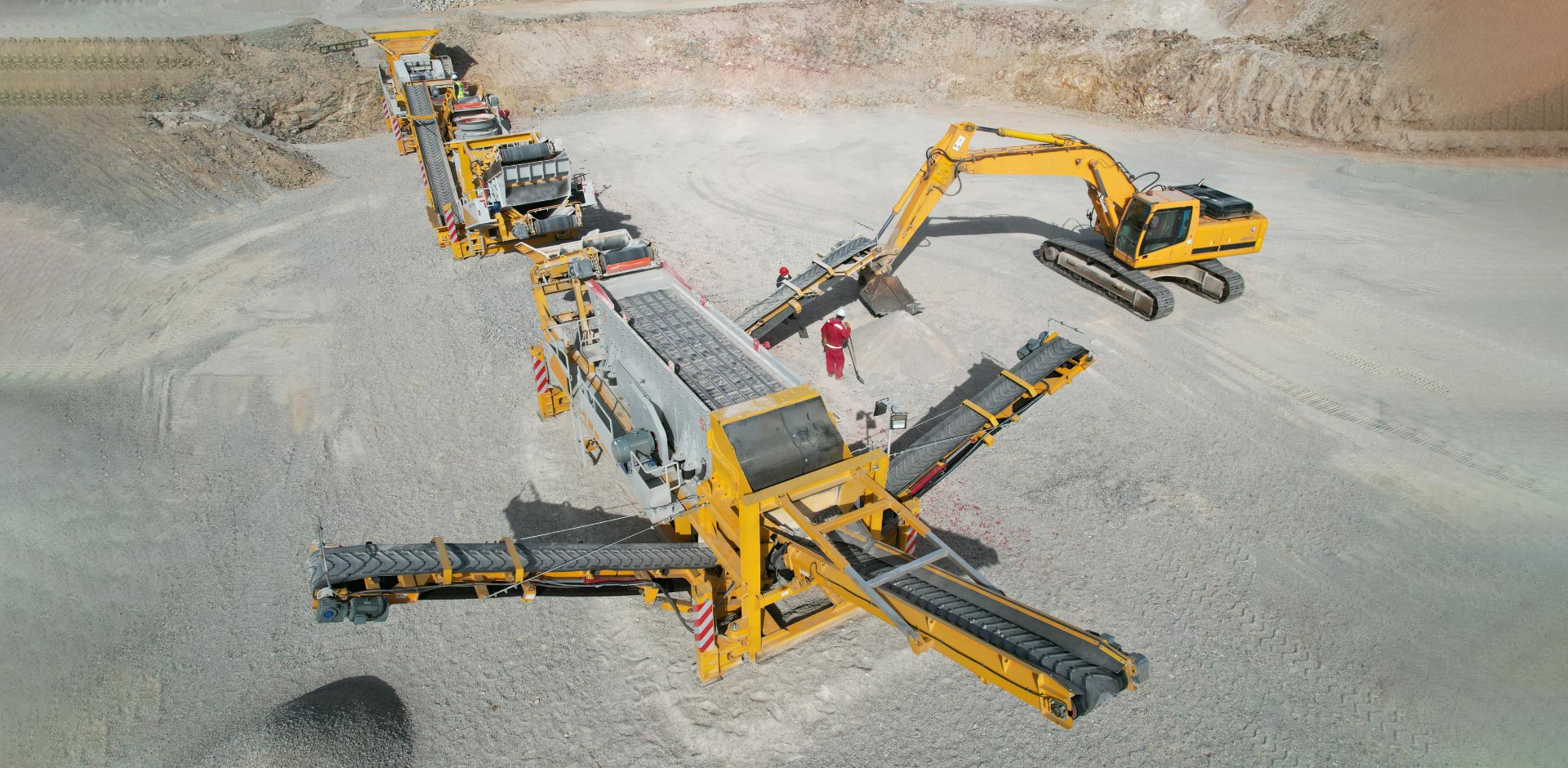
The purchase of a stone crusher is not a simple transaction. It is a long-term relationship. The supplier you choose will affect your uptime, your operating costs, and your sanity. The argument of this guide is straightforward. Price is not the primary criterion. Service and quality are. A crusher that is cheap to buy but expensive to support is not a bargain. A stone crusher machine that is reliable but costly upfront may be the better investment. This guide provides a framework for evaluating suppliers across three dimensions: service capability, quality indicators, and discount structures. The smart buyer uses this framework to negotiate from a position of knowledge. The inexperienced buyer focuses only on the price tag. The difference is profit.
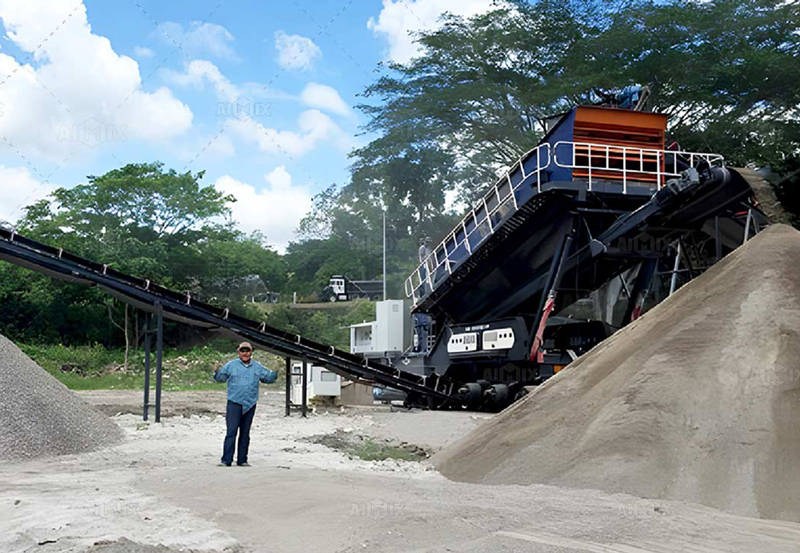
Service Capability: The Support Infrastructure
Local Presence and Response Times
The first service indicator is local presence. Does the supplier have a warehouse in your country? Do they stock spare parts? Do they employ technicians who can visit your site? A supplier without local presence will require you to order parts from overseas. Shipping times of two to six weeks are common. Your crusher will be idle during that period. The lost production cost will exceed the value of the parts. The argument is that local presence is not a convenience. It is a necessity. Ask the supplier for the address of their local warehouse. Ask for the name of the local service manager. If they cannot provide both, consider another supplier.
Response time is the second indicator. How quickly can the supplier dispatch a technician? A breakdown on a Friday afternoon should be assessed by Monday morning. A week-long delay is unacceptable. The smart buyer includes response time commitments in the purchase contract. A service level agreement (SLA) specifies the maximum response time and the consequences for failure. A discount on the next purchase. A credit for the downtime. Crusher machine suppliers who refuse an SLA are not confident in their service capability. Do not buy from them.
Training and Documentation
The third service indicator is training. Does the supplier train your operators? A well-trained operator extends crusher life, reduces wear part consumption, and prevents accidents. Training should be included in the purchase price. It should be conducted on your site, using your material. The trainer should be a factory-certified technician. The argument is that training is not a luxury. It is a risk mitigation tool. An untrained operator will damage the crusher. The cost of repairs will exceed the cost of training. Insist on training as part of the deal.
Documentation is the fourth indicator. The supplier should provide a complete set of manuals: operation, maintenance, and parts. The manuals should be in your language. They should include diagrams, torque specifications, and lubrication charts. The smart buyer reviews the manuals before purchase. Poor documentation is a sign of poor engineering. If the supplier cannot produce a clear, accurate manual, they cannot produce a reliable crusher.
Quality Indicators: What to Look For
Materials and Fabrication
Quality starts with materials. The crusher frame should be fabricated from high-strength steel. The wear parts should be cast from manganese steel with the correct alloy composition. The bearings should be from a reputable brand such as SKF, FAG, or Timken. The argument is that material quality is visible. You can see the thickness of the steel. You can read the brand name on the bearings. You can request the material certificates. A supplier who refuses to provide this information is hiding something. A supplier who provides it with confidence is proud of their product.
Fabrication quality is also visible. Look at the welds. Are they smooth and continuous? Or are they spattered and uneven? Look at the paint. Is it thick and uniform? Or is it thin and peeling? The smart buyer inspects the aggregate crusher machine before purchase. A visit to the factory is ideal. A video tour is acceptable. A photograph is not. See the machine. Touch it. Listen to it run. Quality is not a claim. It is a demonstration.
Testing and Certification
The final quality indicator is testing. Does the supplier test each crusher before shipment? A no-load run is minimal. A load test with material is better. The argument is that testing reveals defects that assembly hides. A bearing that is noisy only under load will fail early. A weld that is stressed only under load will crack. The smart buyer requests the test report. If the supplier does not test, the buyer is the tester. That is a risky position.
Certification is the third indicator. ISO 9001 certification indicates that the supplier has a quality management system. It does not guarantee a perfect product. It does indicate that the supplier is serious about process control. CE marking indicates compliance with European safety standards. It is not required in all markets. It is a sign of engineering discipline. The smart buyer values certification. It reduces the risk of a bad purchase.
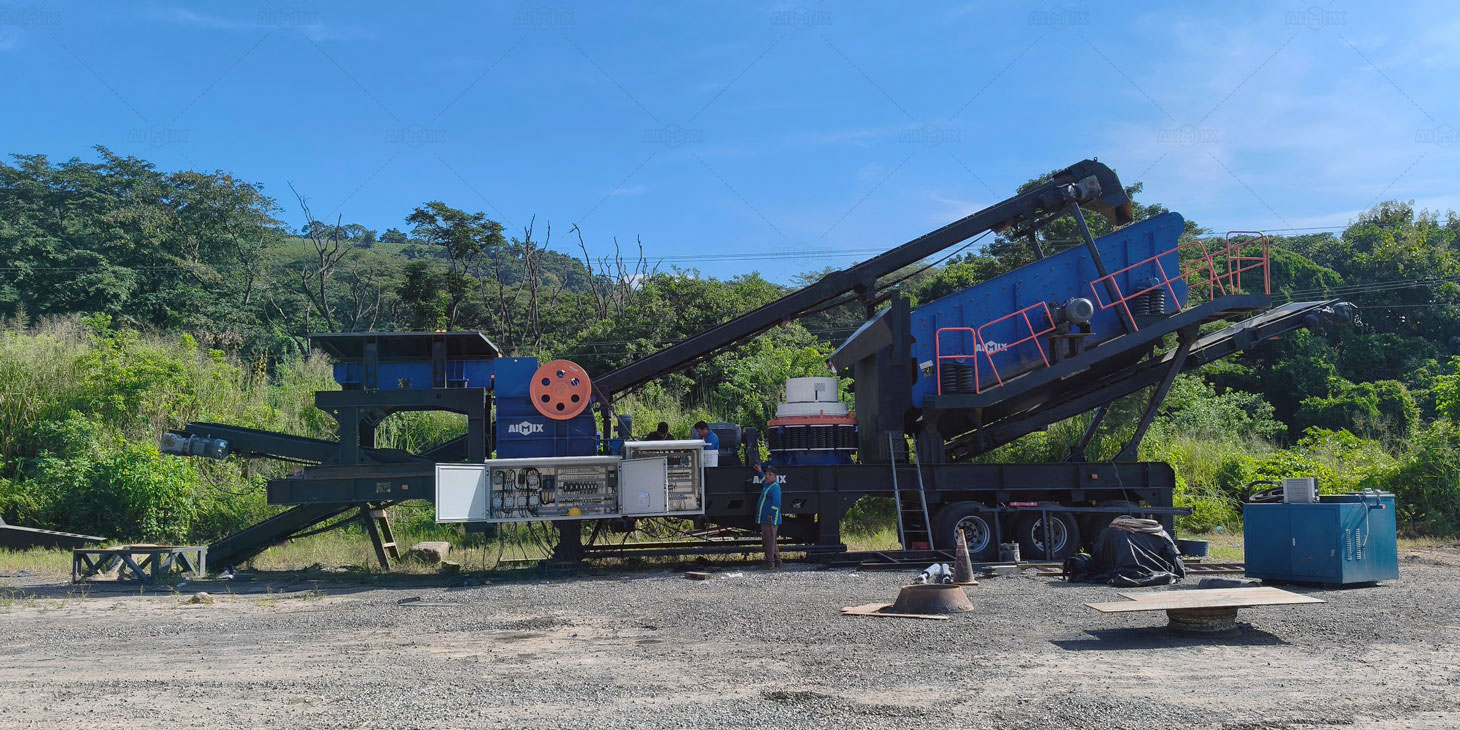
Discounts: Negotiating Without Sacrificing Quality
Volume Discounts and Bundling
Discounts are available. The smart buyer does not pay list price. The first discount is volume. A single crusher commands a smaller discount than two crushers. A package of crusher, screen, and conveyor commands a larger discount than the crusher alone. The argument is that bundling benefits both parties. The supplier has a larger sale. The buyer has a lower per-unit cost. The smart buyer asks for a bundled price before negotiating individual components.
Payment Terms and Timing
The second discount is payment terms. A supplier who receives cash upfront may offer a discount. A supplier who waits 30 or 60 days for payment will not. The argument is that payment terms are negotiable. A 3 percent discount for payment within 7 days is common. A 5 percent discount for cash is possible. The smart buyer asks. The worst the supplier can say is no.
The third discount is timing. Suppliers have slow seasons. In many markets, the summer months are slow. The demand for rock crushers drops. The suppliers are eager to make sales. Discounts of 10 to 15 percent are available. The smart buyer times the purchase. Buy in the slow season. Save money. The crusher will be delivered in the same condition regardless of when you buy. The price is the only difference.
The professional conclusion is that service, quality, and discounts are not separate considerations. They are interrelated. A supplier with excellent service and quality may offer smaller discounts. That is acceptable. A supplier with poor service and quality may offer larger discounts. That is not acceptable. The smart buyer evaluates all three dimensions. They prioritise service and quality. They negotiate for discounts within reason. They do not sacrifice long-term reliability for short-term savings. That is the smart buyer’s guide. Follow it. Profit from it.