Reducing RMC plant project cost without affecting production quality is a key goal for investors and contractors entering the ready-mix concrete industry. A well-planned strategy can significantly lower initial investment and operational expenses while still maintaining high standards of concrete performance, consistency, and reliability. The challenge lies in balancing cost efficiency with engineering quality, automation level, and long-term production stability.
Understanding Where RMC Plant Costs Come From
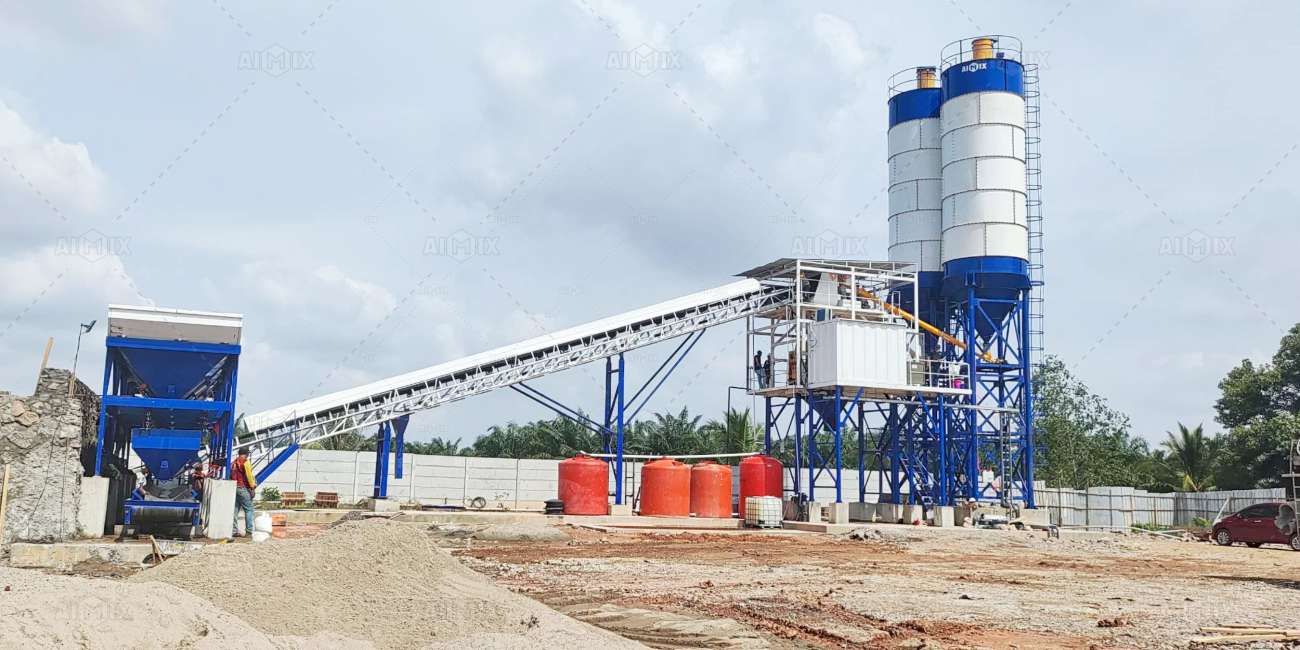
To effectively reduce costs, it is essential to understand the structure of an RMC plant investment. Major cost components include batching equipment, cement silos, aggregate storage systems, mixing units, control systems, installation, and civil foundation works. Operational costs such as labor, maintenance, energy consumption, and spare parts also contribute to long-term expenditure.
Many investors underestimate indirect costs such as logistics, transportation, and downtime losses. These hidden expenses can significantly affect profitability if the plant is not properly designed or selected according to project requirements. This is why experienced planners carefully evaluate system configuration before making purchasing decisions.
Choosing the Right Configuration to Control Investment
One of the most effective ways to reduce RMC plant project cost is selecting the correct plant configuration. For example, mobile or modular plants often require lower installation costs compared to large stationary systems. However, stationary plants provide higher long-term output efficiency for large-scale operations.
Investors who are learning how to start a ready mix concrete plant should carefully analyze project demand before selecting equipment. Over-sizing a plant leads to unnecessary capital waste, while under-sizing can limit production capacity and reduce profitability.
Role of Supplier Selection in Cost Optimization
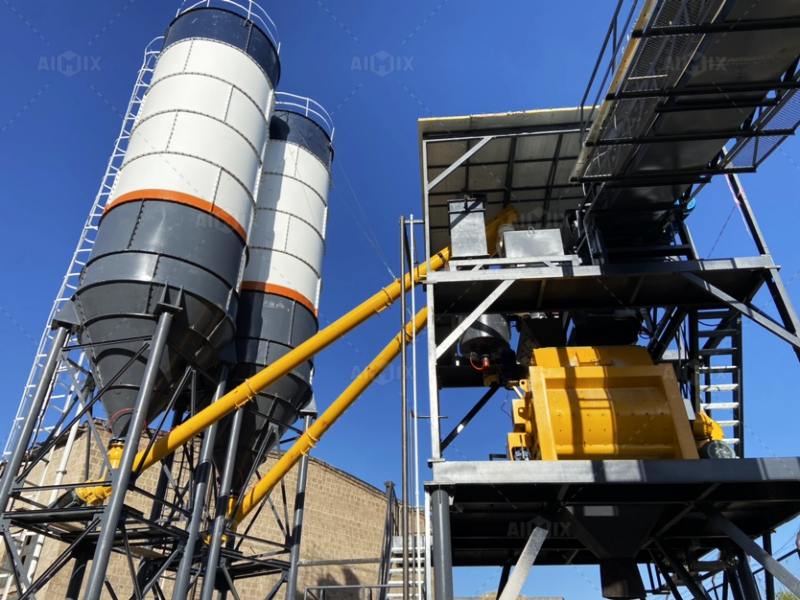
Working with reliable ready mix concrete plant companies plays a major role in controlling overall investment costs. Experienced suppliers provide optimized designs that reduce material waste, simplify installation, and improve energy efficiency. They also offer technical support, which helps reduce downtime and maintenance expenses over time.
Additionally, reputable suppliers often provide turnkey solutions, including design, manufacturing, installation, and training services. This integrated approach can lower project risk and eliminate unnecessary third-party expenses, contributing to a more controlled budget structure.
Regional Cost Differences and Market Strategy
Geographical location also affects RMC plant investment. For example, a ready mix plant Singapore project typically involves higher land, labor, and compliance costs compared to emerging markets. However, higher demand and strict quality standards also lead to better long-term profitability if managed correctly.
In contrast, developing regions may offer lower initial investment but require careful evaluation of logistics and material supply chains. Understanding regional conditions helps investors optimize cost without compromising production efficiency or concrete quality.
Technology and Automation for Long-Term Savings
Modern automation systems are another important factor in reducing operational costs. Advanced control systems improve batching accuracy, reduce material waste, and minimize human error. This leads to consistent concrete quality while lowering long-term production expenses.
Energy-efficient motors, optimized mixing systems, and smart monitoring tools also help reduce electricity consumption and maintenance frequency. Although automation may increase initial investment slightly, it significantly improves lifecycle cost efficiency.
Conclusion
It is possible to reduce RMC plant project cost without compromising quality if investors adopt a strategic approach. By selecting the right configuration, working with experienced ready mix concrete plant companies, and leveraging modern automation technologies, businesses can achieve both cost efficiency and high production performance.
For entrepreneurs exploring how to start a ready mix concrete plant, the key is not simply minimizing upfront investment but optimizing total lifecycle cost. Similarly, in high-demand regions such as a ready mix plant Singapore market, efficiency and reliability are more important than low initial pricing. A balanced approach ensures sustainable growth, stable production, and long-term profitability in the competitive concrete industry.